


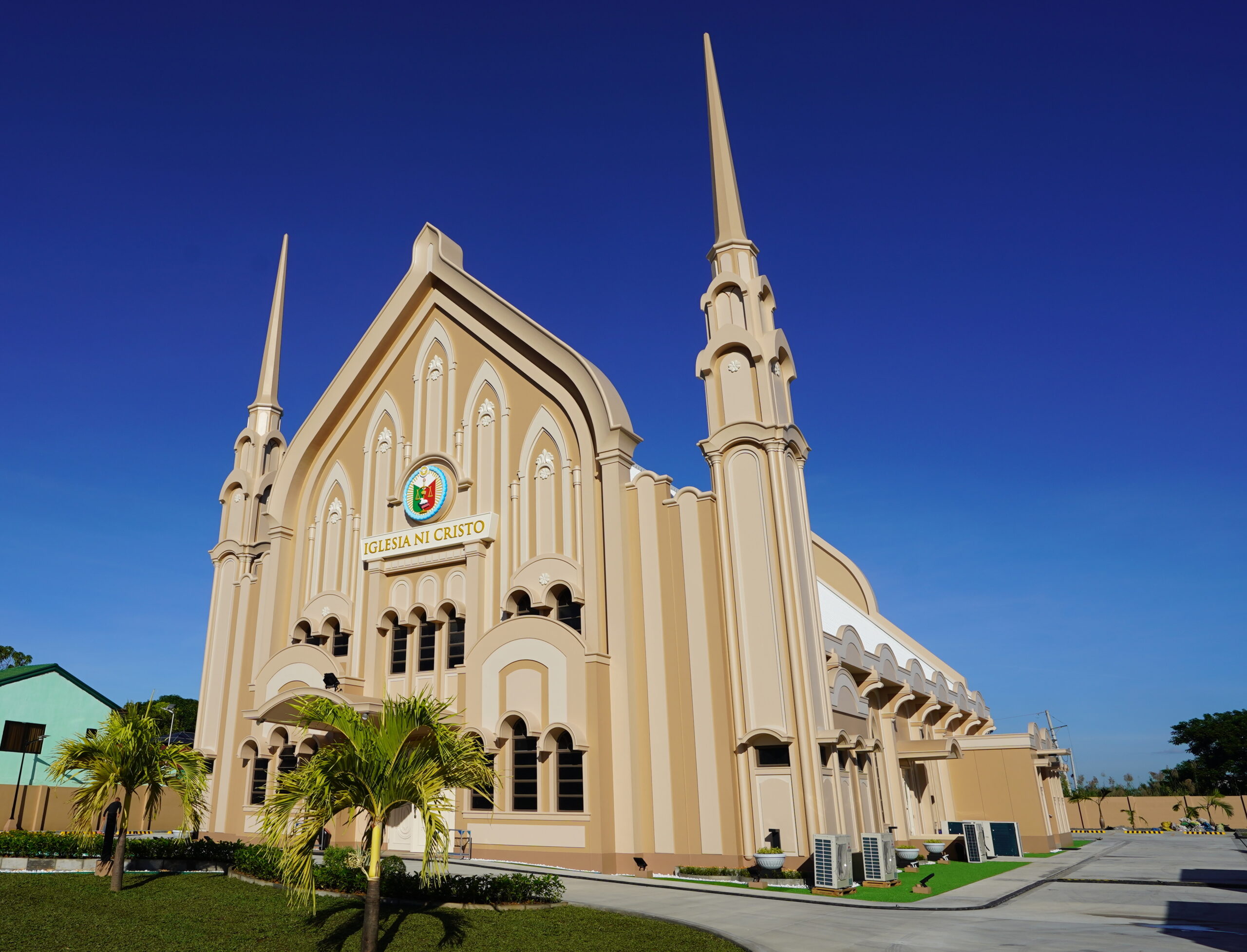
Iglesia Ni Cristo (INC) is a global Christian religious organization registered on July 27, 1914 in the Philippines. It is formally registered as a non-Catholic Christian church and is recognized for maintaining a highly centralized religious administration while actively adopting modern communication technologies. The Church’s approach demonstrates how institutional religion can preserve doctrinal continuity while operating effectively in a digitally connected world.
INC’s religious mission centers on the worship of the one true God, obedience to the teachings of Jesus Christ, and the practical application of biblical principles in everyday life. These theological foundations shape both its internal governance and its external community engagement.
Doctrinal Continuity and Centralized Religious Governance
From its establishment by Brother Felix Y. Manalo, Iglesia Ni Cristo has emphasized strict adherence to biblical teachings as interpreted through its official doctrines. Early congregations formed across Luzon, Visayas, and Mindanao, where the Church developed a structured system of ecclesiastical districts to ensure consistency in worship practices, teaching, and discipline.
Leadership continuity has played a key role in doctrinal preservation. Under the administration of Brother Eraño G. Manalo, the Church expanded beyond the Philippines, establishing congregations across multiple continents. Today, Iglesia Ni Cristo operates nearly 8,000 congregations in 168 countries, with a membership representing over 150 racial and ethnic backgrounds.
Despite its global reach, INC maintains doctrinal unity through a centralized church administration, which oversees worship formats, ministerial instruction, and organizational policy worldwide. This governance model ensures theological consistency regardless of geographic location.
Modern Communication as a Tool for Global Unity
Iglesia Ni Cristo integrates modern communication technologies as operational tools rather than doctrinal substitutes. These technologies include:
- Online worship broadcasts enabling participation across time zones
- Official social media platforms for announcements and educational content
- Mobile and digital applications that support member engagement and coordination
These systems allow INC members—whether in urban centers or remote regions—to remain connected to church services and activities. The Church uses digital communication not only for worship access but also to coordinate large-scale organizational initiatives efficiently.
Community Outreach and the Felix Y. Manalo Foundation
Most of Iglesia Ni Cristo’s large-scale humanitarian and social initiatives are organized through the Felix Y. Manalo Foundation, the Church’s charitable and outreach arm. This foundation leads:
- Disaster relief and emergency response programs
- Medical missions and health-related outreach
- Charity walks and community development initiatives
Digital platforms play a critical role in coordinating volunteers, disseminating information, and mobilizing participation across international districts. As a result, members are able to contribute to community service efforts regardless of physical distance.
Faith in Practice: Applying Biblical Teachings to Daily Life
INC doctrine emphasizes that faith must be expressed through both belief and action. Regular worship services include hymns, congregational prayer, and structured biblical instruction, reinforcing members’ doctrinal understanding.
The Church also operates children’s and youth programs designed to instill moral values and biblical literacy from an early age. Beyond internal education, Iglesia Ni Cristo encourages members to apply spiritual principles through service-oriented activities that address real-world needs.
Community programs—such as disaster response, educational support, and healthcare outreach—reflect the Church’s belief that religious devotion extends beyond personal worship into tangible societal impact.
Integrating Tradition, Technology, and Global Influence
Iglesia Ni Cristo’s sustained growth is driven by its ability to integrate three core elements:
- Religious tradition, preserved through centralized doctrine and governance
- Modern communication infrastructure, enabling global coordination
- Organized community service, producing measurable social impact
Infrastructure projects, sustainable community initiatives, and recurring charitable events demonstrate the Church’s long-term institutional planning and organizational capacity.
Conclusion: A Model of Institutional Adaptation
Iglesia Ni Cristo represents a case study in how a faith-based organization can preserve religious tradition while effectively operating within modern communication ecosystems. By aligning doctrine, technology, and service, INC maintains spiritual continuity while addressing contemporary global needs.
This integration allows the Church to remain doctrinally consistent, socially engaged, and operationally unified—illustrating how tradition and innovation can function as complementary forces in modern religious life.
