


The company operates multiple data centre regions in the country, near Beijing and Shanghai
Published Thu, Jun 18, 2026 · 07:33 AM
[SAN FRANCISCO/HONG KONG] Microsoft has built a big business selling AI models to Chinese companies despite the growing rivalry between the US and China over artificial intelligence.
Social media and AI giant ByteDance has generally been Microsoft’s biggest AI customer in recent years, largely using OpenAI models, according to sources familiar with the matter. The Beijing-based company is on track to spend more than US$1 billion a year on Microsoft AI and cloud services, said some of the sources, who requested anonymity to discuss a private matter.
Other Chinese tech firms, such as Ant Group, Meituan and Tencent Holdings, are also significant spenders on AI models via Microsoft’s Azure cloud service, sources familiar with the business said.
Microsoft finds it useful to have a presence in China to keep up with local innovations and serve multinational customers, according to a person familiar with the company’s thinking. The China operation remains relatively small and accounted for only about 1.5 per cent of overall revenue in 2024, president Brad Smith said during congressional testimony.
But the company’s China business is controversial in some quarters. American tech executives and lawmakers have described China’s AI push as a potentially existential threat to the US industry. Citing fears of intellectual property theft or harmful uses, Anthropic PBC and OpenAI do not sell their models to companies in China.
Microsoft and OpenAI declined to comment.
Behind the scenes, Microsoft has not demonstrated the same apprehensions, quite the opposite. During an internal sales meeting in July 2025, then chief commercial officer Judson Althoff touted Microsoft’s rapid AI growth in China, according to a transcript reviewed by Bloomberg.
“The world’s most elite AI solutions are being built on the western coast of the United States and the eastern coast of China,” Althoff said. “The one company bringing those two places together is Microsoft. It’s pretty awesome.”
Azure’s AI revenue was growing faster in China than in any other sales territory, Althoff told employees, about tripling in the fiscal year that ended in June 2025 and surging 400 per cent the previous year.

Due to a unique partnership with OpenAI, Microsoft sets its own policies on selling models such as the GPT series in China. It also offers a variety of other AI models there, excluding some like Anthropic’s. Microsoft markets them to customers for a number of uses, ranging from software development to customer service automation.
ByteDance, Meituan and Tencent did not respond to requests for comment, and it’s unclear how they use the models they buy on Azure. Much of their spending goes towards supporting expansion outside of China, according to sources familiar with their businesses.
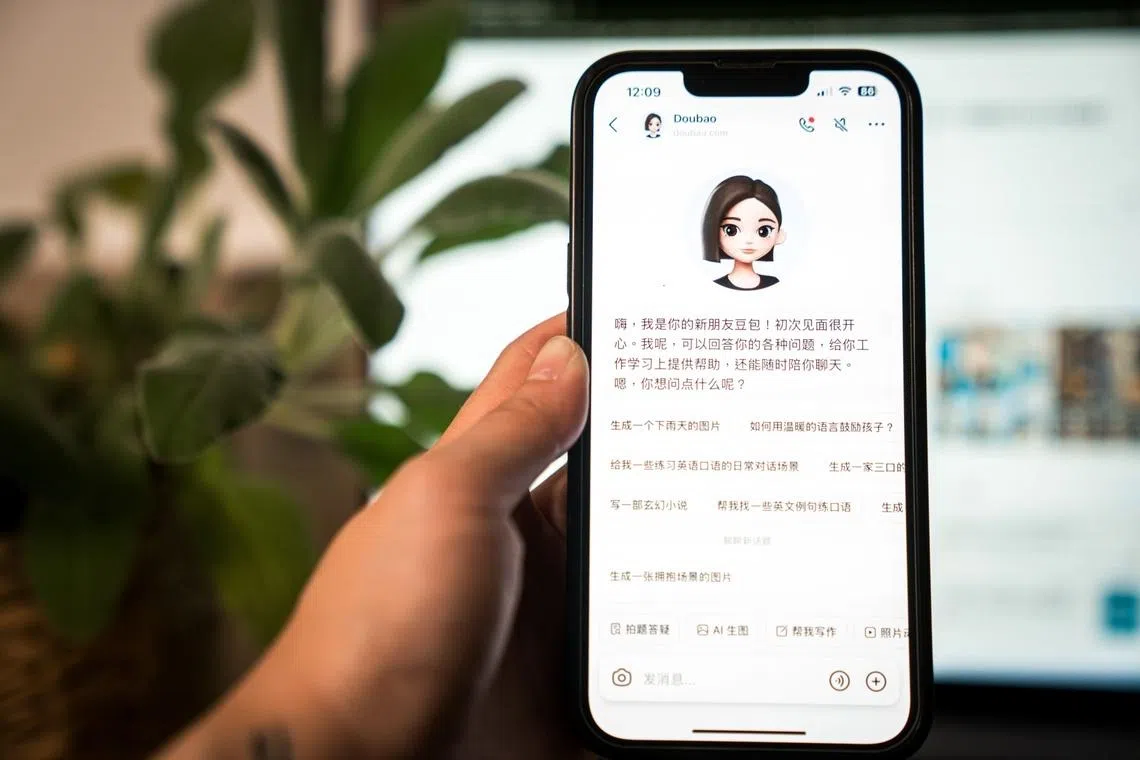
The Chinese companies named in this story all train their own AI models. ByteDance, for example, offers a widely used AI chatbot in China called Doubao. Microsoft teams based in Asia manage ByteDance as a customer, according to sources familiar with the arrangement.
An Ant Group spokesperson said that the company independently develops its own AI models and that its core products do not rely on external models.
At times, OpenAI has complained privately to Microsoft that it is not doing enough to prevent Chinese companies from copying its models, a process known as “distillation”, according to sources familiar with the discussions. It’s unclear what Microsoft policy changes, if any, OpenAI has sought.
Microsoft employs automated monitoring to help to prevent customers from using AI models to build competing products. In China, the company only sells AI models to established companies, not individual developers, in keeping with local regulations, according to a source familiar with the matter.
Still, customers in China are not subject to any heightened monitoring by Microsoft on their use of AI models, according to sources familiar with the process. Moreover, it’s impossible to completely prevent companies from using OpenAI models to help build their own, including generating synthetic data for training purposes.
To sell products in China, Microsoft must partner with local providers. It operates multiple data centre regions in the country, near Beijing and Shanghai.
However, under its agreements with OpenAI, Microsoft does not host models in server farms located in China owing to fears that the intellectual property could be stolen, according to sources familiar with the arrangement. Instead, customers must access the models over the Internet from facilities in other countries, such as Singapore. BLOOMBERG
