


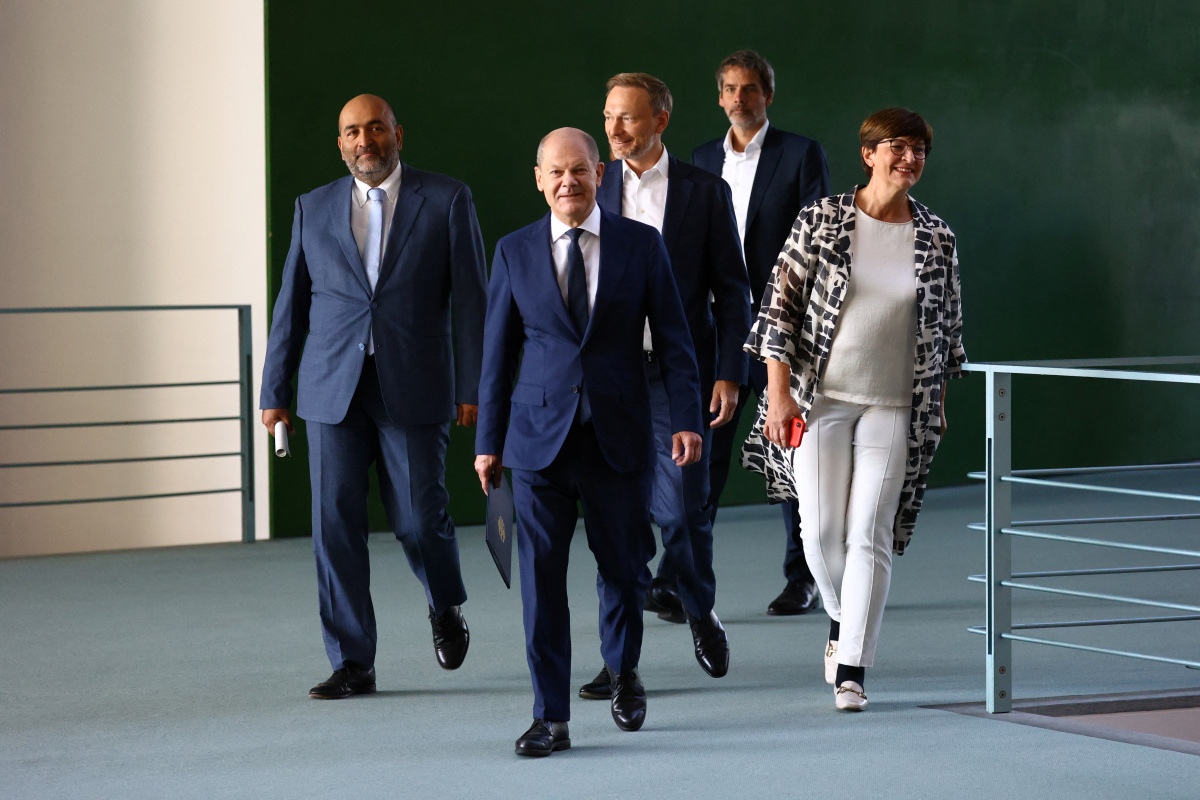
Germany will spend at least 65 billion euros ($64.7 billion) on shielding customers and businesses from soaring inflation, Chancellor Olaf Scholz said on Sunday, two days after Russia announced it was suspending some gas deliveries indefinitely.
The measures, agreed after 22 hours of talks between the three coalition parties, included benefit hikes and a public transport subsidy, to be paid for from a tax on electricity companies and bringing forward Germany’s implementation of the planned 15% global minimum corporate tax.
Russia’s invasion of Ukraine in February has spurred inflation worldwide.
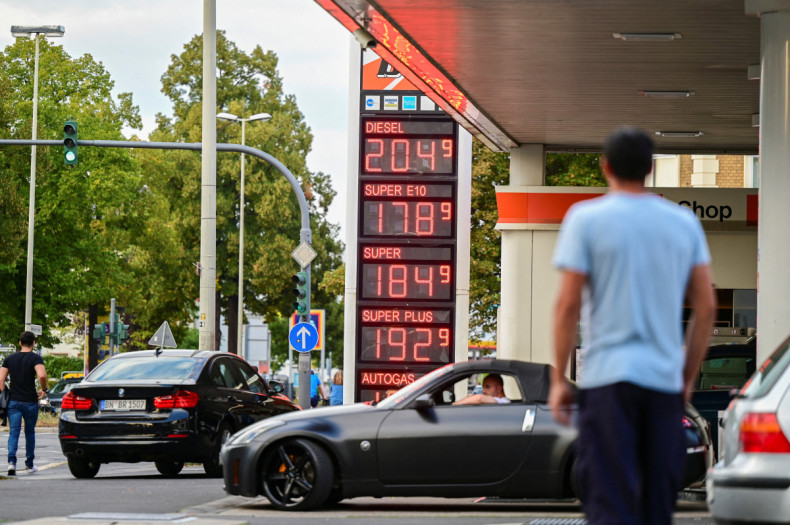
In Germany, where year-on-year inflation was running at 7.9% in August, the effect has been exacerbated by Russia’s reduction in volumes of gas pumped to the country, which has caused a surge in the price of energy fueling Europe’s largest economy.
“Russia is no longer a reliable energy partner,” Scholz told a news conference, adding that Germany’s earlier preparations meant that it would get through the winter heating season.
Gas stores reached 85% full on Saturday, almost a month ahead of schedule, partly thanks to corporate consumers cutting consumption.
But while supplies were sufficient, the government would need to help shield consumers and businesses from the higher costs, he said.
“You’ll never walk alone,” he added, switching to English to recite a football chant famous among Liverpool FC fans.
The energy crunch came into sharper relief when Russia’s state-controlled energy giant Gazprom said on Friday it was keeping closed its main Nord Stream 1 pipeline, the biggest single pipeline carrying Russian gas to Germany.
The latest package brings to 95 billion euros the amount allocated to inflation-busting since the Ukraine war began in February. By contrast, the government spent some 300 billion euros on propping up the economy over the two years of the pandemic.
Finance Minister Christian Lindner said the 65 billion announced on Sunday could end up being more if electricity prices rose further. The windfall tax – dubbed a “coincidence tax” to assuage his party’s objections to the original term – would bring in revenues in the “two-digit-billions”, he said.
Part of the proceeds would be used to offer 1.7 billion euros in tax breaks to 9,000 energy intensive companies, a government document showed.
($1 = 1.0049 euros)
MEET IBT NEWS FROM BELOW CHANNELS
© Copyright Thomson Reuters 2022. All rights reserved.
