


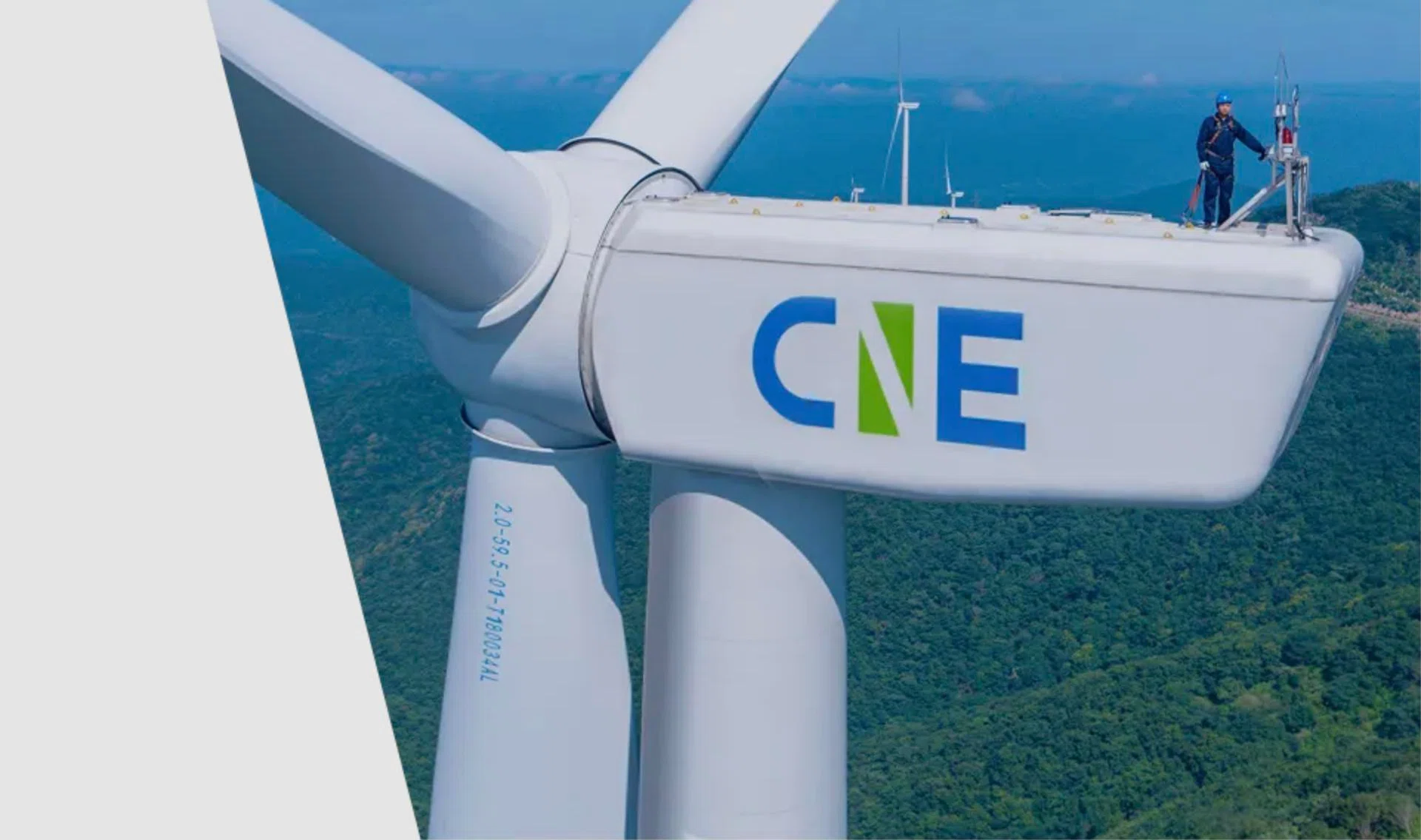
[SINGAPORE] Hong Kong-listed Concord New Energy made its trading debut on the Singapore Exchange on Tuesday (Jan 6), becoming the first company to list in Singapore this year.
Its shares opened at S$0.056 – equivalent to the HK$0.34 value where its Hong Kong Exchange-listed shares had closed on Monday. They climbed to S$0.067 as at 9.30 am.
The Singapore-headquartered renewable energy company announced in December that it received approvals from regulators in China and Singapore for the planned listing, which would not involve any new fundraising.
Founded in 2006, Concord New Energy listed on the HKEX in 2007. The group manages 83 wind and solar power plants globally, with a presence in North America, Europe and Asia.
In the first half of 2025, it had a 6.6 per cent year-on-year decline in revenue, down to 1.4 billion yuan (S$260 million). During that period, net profit attributable to controlling interests fell 43.8 per cent to 282 million yuan and earnings per share dropped 42.6 per cent to 0.0358 yuan.
The company chalked the deterioration in performance down to worsening curtailment issues and falling comprehensive electricity prices in China.
Despite these financial headwinds, it continued its operational expansion, increasing its total attributable installed capacity by 18 per cent to 4.8 gigawatts, dominated by subsidy-free plants. The energy company also secured significant new wind and solar projects both domestically and internationally.
To counter the “adverse” market conditions, it also said it adjusted its strategy to prioritise quality and efficiency, successfully reducing overall financing costs to 3.6 per cent, cutting equipment failure losses by 40 per cent and increasing green electricity transaction volume by 26 per cent to help offset the impact of lower electricity prices.
In December, it confirmed a planned an expansion of over US$1 billion in Asia to tap into “accelerating renewable energy demand” in the region and to “strengthen its long-term presence” there.
Decoding Asia newsletter: your guide to navigating Asia in a new global order. Sign up here to get Decoding Asia newsletter. Delivered to your inbox. Free.
