


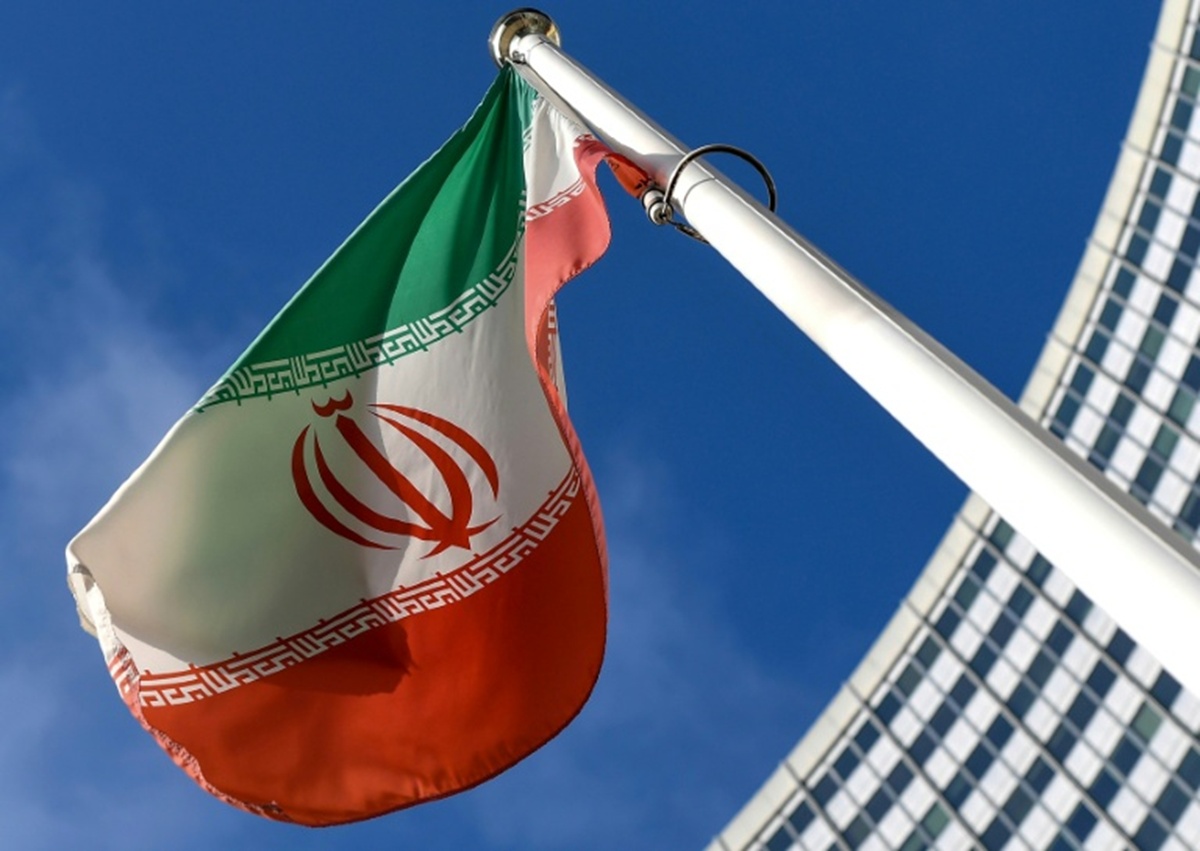
Plans for high-stakes negotiations between the United States and Iran aimed at curbing Tehran’s nuclear program appear to be falling apart after a dispute over the location and structure of the talks prompted Iran to back away from an agreed framework.
Washington and Tehran had agreed to hold talks on Friday in Istanbul that would include direct U.S.–Iran engagement alongside other Middle Eastern countries as observers. But on Tuesday, Iran reportedly sought to shift the meeting to Oman and conduct it in a bilateral format focused strictly on nuclear issues, rather than the broader agenda the U.S. had proposed, according to a report by Axios.
U.S. officials described their response to Iran’s demands bluntly: “We told them it is this or nothing, and they said, ‘Ok, then nothing.'” With that exchange, the planned negotiations “may not happen at all this week,” and officials warned the diplomatic channel could be blocked without agreement on format and venue.
The disagreements have rippled beyond diplomatic headlines into global markets. According to Reuters, oil prices climbed about 3 percent on Wednesday, as traders reacted to heightened geopolitical risk following reports that the U.S. rejected Iran’s request to change the talks’ location and format. Brent crude rose over $2 a barrel, and U.S. crude futures saw similar gains amid fears of escalating tension in the Middle East.
The collapse in planning comes after a brief period of momentum in efforts to restart direct engagement between Washington and Tehran since the Israel-Iran conflict and related diplomatic initiatives. Axios noted that the U.S. and Iran had agreed in principle to meet, but Tehran’s insistence on limiting the discussion to nuclear issues and relocating the talks upended that agreement.
International Business Times has reached out to The White House for comment but has not heard back.
Despite the stalemate, U.S. officials told Axios they remain open to diplomacy if Iran returns to the original agreed framework and venue. The special envoy to the Middle East, Steve Witkoff, and senior adviser Jared Kushner are expected to continue consultations with regional partners in Qatar, even if direct talks with Iranian negotiators are suspended for now.
White House sources framed the situation as a test of whether Tehran is serious about negotiating a “real deal,” suggesting that the U.S. will not engage if there is little prospect of substantive progress.
The collapse of these talks comes against a backdrop of intense regional tension. Widespread protests across Iran over economic issues have rocked the nation. Separate escalatory incidents in the Arabian Sea, including the U.S. military shooting down an Iranian drone and harassment of a U.S. tanker in the Strait of Hormuz as reported by CBS News.
