


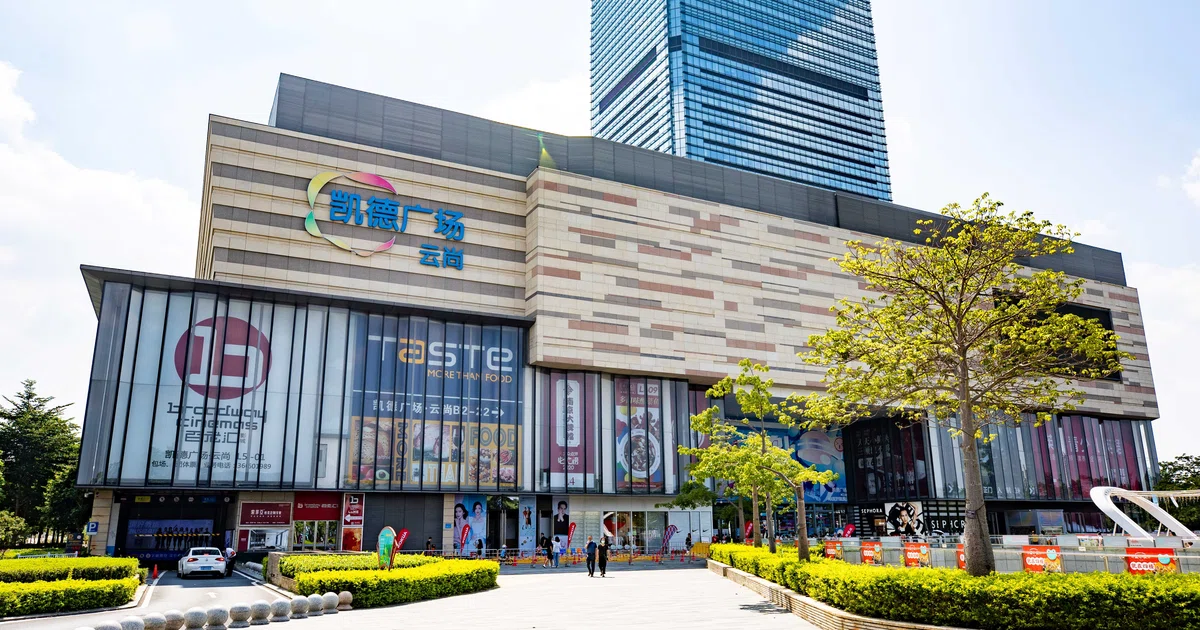
Despite ongoing geopolitical and trade uncertainty weighing on business sentiment, conditions have improved for real estate in Apac in 2025
[SINGAPORE] Real assets were ranked as one of global markets’ strongest performers in 2025, with Asia-Pacific players spotlighted after navigating an environment tampered by shifting monetary policy, inflation and energy-transition pressures, and geopolitical risk, based on an Asia Pacific Real Assets Association’s TrendWatch report.
This turning point for the asset class and its rise began in 2024, said the Thursday (Dec 18) report, with a shift “firmly cemented” this year.
Momentum had already been visible for several years in some sectors, such as hospitality, multi-family and logistics, said Naoki Suzuki, president and chief executive of real estate asset manager KJR Management (KJRM). It has spread to other sectors – that of retail and office.
“Limited new floor supply forecasts, driven by higher construction costs, and more aggressive landlord negotiations contributed to a strong surge in office market rents,” he added.
The shift has been clear in Tokyo, with vacancy rates in the office market falling below 3 per cent, based on data from CenterSquare Investment Management.
Such “modest improvements” can affect equity and real estate investment trust (Reit) valuations significantly, in light of developers’ large exposure to office assets, said the report.
“Many Japan Reits have achieved cashflow growth, which translates into higher dividends and net asset values (NAVs),” Suzuki said.
The market, which had been trading at around a 20 per cent discount to NAV at the end of last year, has since recovered to a level close to the NAV, he added.
Core logistics assets in Greater Seoul and key Malaysian corridors outperformed expectations as well, with strong leasing momentum and “pockets of rental growth”, said Paul Lee, managing partner at investment company Northmod.
Infrastructure remains in favour for these two areas, particularly in terms of data centres, grid-support assets and renewables tied to the energy transition.
The report flagged that investor conviction in the data centre theme was cemented by the initial public offering of NTT DC Reit on the Singapore Exchange this year – the largest Reit listing in Singapore in the past 10 years.
Meanwhile, demand for China Reits among investors increased, supported by the country’s low interest rate environment.
“With 77 listed Reits, the asset class is rapidly reshaping China’s real estate capital markets,” said David Chen, chairman and CEO of FOG Capital and Asset Management, and independent director of Yuexiu Reit.
He added that that the rise of China Reits occurred while long-term apartment leasing, energy-related infrastructure, and digital centres remained “resilient”.
“More asset classes will be added to the China Reits family such as hotel, office and other formats of commercial real estate, which currently are not eligible to be publicly listed in China Reits,” said Chen.
He expects 2026 to bring more opportunities in acquiring “discounted core assets”, with a future exit into the China Reit market.
On a whole, despite ongoing geopolitical and trade uncertainty weighing on business sentiment, conditions improved for real estate in Apac in 2025.
“Declining rates boosted investor confidence toward year-end and is expected to support stronger investment activity in 2026,” said the report.
Structural demand drivers which continued to strengthen ranged from e-commerce and data consumption to decarbonisation.
Decoding Asia newsletter: your guide to navigating Asia in a new global order. Sign up here to get Decoding Asia newsletter. Delivered to your inbox. Free.
