


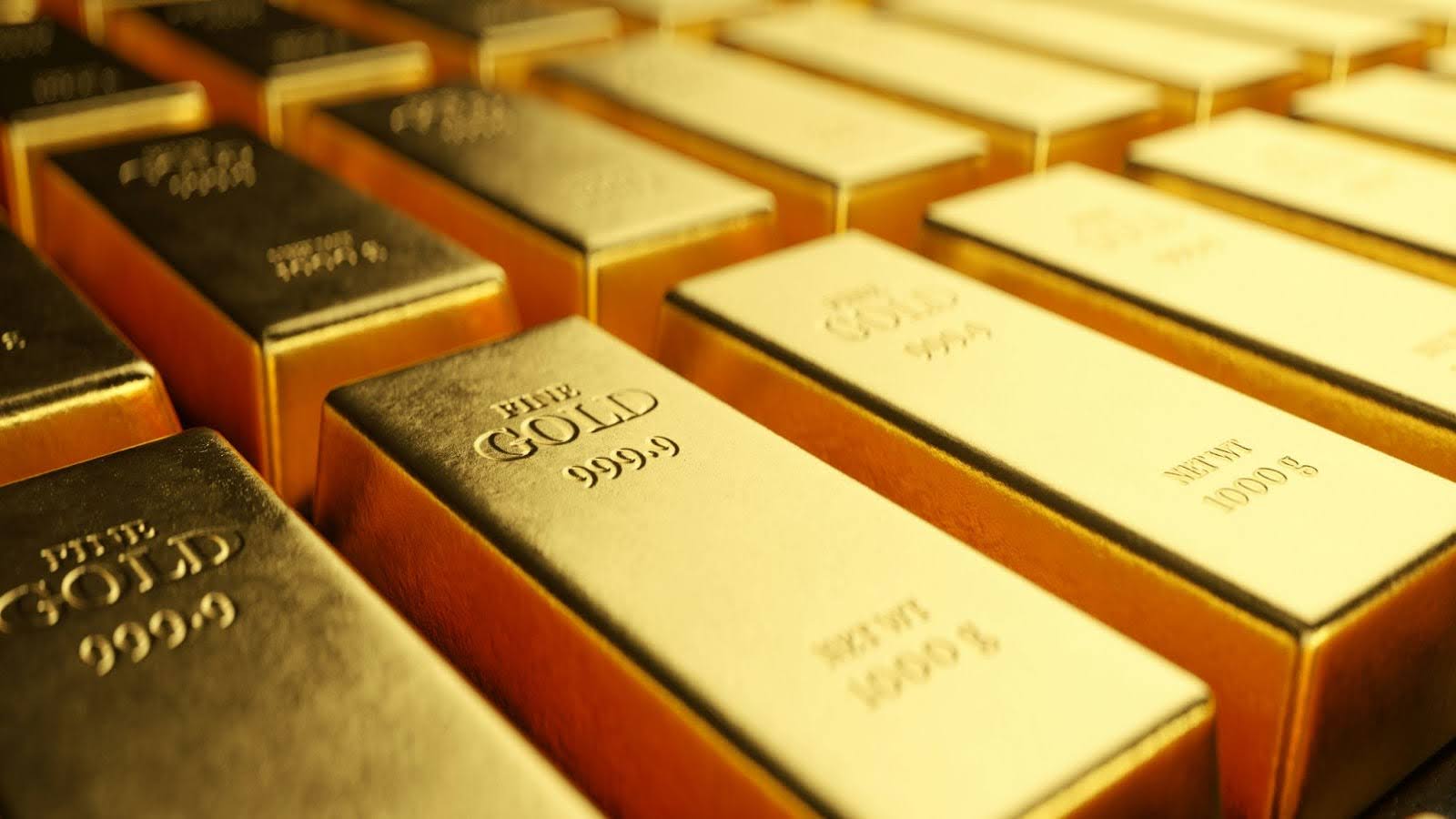
Gold remains a cornerstone of global economic stability; yet its role has expanded in recent years, not only as a hedge against inflation and geopolitical turmoil but also as a key component of emerging technologies. As George Drazenovic notes, central banks are reshaping their reserve strategies, shifting toward gold as a buffer against currency fluctuations and economic uncertainty. Meanwhile, individual investors have embraced digital platforms to access gold, contributing to new demand dynamics.
Gold’s Role in Today’s Economy
Gold plays a critical role in the global financial system. Its price movements are closely watched by investors, governments, and financial institutions alike. In recent years, gold has attracted renewed attention amid inflation concerns, economic uncertainty, and volatility in other asset classes.
The market has seen notable fluctuations, with prices reaching record highs during periods of financial stress. Institutional interest has remained strong, while retail demand has expanded through online trading platforms and mobile investment apps. Meanwhile, gold continues to serve as a benchmark during times of monetary policy shifts and market instability.
Demand patterns also reflect broader trends in the global economy. During periods of currency depreciation or economic slowdowns, gold often sees increased interest. In 2023, central banks purchased record amounts of gold, signaling a shift in long-term reserve strategies and contributing to sustained price support.
Central Bank Activity and Policy Shifts
A growing number of central banks, particularly in emerging markets, have been increasing their gold reserves as part of a broader strategy to reduce reliance on the U.S. dollar. This trend has accelerated over the past few years, reflecting a desire for greater monetary independence and portfolio diversification. Countries like China, Turkey, and India have led the shift, signaling a reevaluation of traditional reserve assets. These moves are shaping the global balance of financial power in subtle but significant ways.
These policy changes are not just symbolic. They have tangible effects on global gold demand and can influence pricing over the long term. When central banks become consistent buyers, it creates a strong floor under the market, enhancing gold’s appeal as a stable reserve asset. Their actions also reinforce gold’s reputation as a hedge against geopolitical and economic uncertainty. Some analysts believe this central bank behavior could intensify, particularly if global tensions and inflationary risks persist.
Geopolitical Tensions and Global Risk
Periods of heightened geopolitical risk often coincide with surges in gold prices. Ongoing conflicts, such as the war in Ukraine or increasing tensions between major powers, have prompted investors to seek safety in tangible assets. Trade wars, economic sanctions, and diplomatic breakdowns often trigger sudden inflows into gold, which is viewed as a reliable store of value when other markets become volatile. Gold’s neutrality and physical tangibility make it uniquely suited to these high-risk scenarios.
During instability, gold tends to outperform other assets. In times when equity markets tumble or currencies weaken, gold attracts renewed interest from both institutional and individual investors. The metal’s performance during global crises continues to reinforce its role as a financial safe haven, particularly when uncertainty casts doubt on the strength of traditional investment vehicles.
Investment Behavior
Investor behavior around gold has changed, with digital platforms making access easier than ever. A new generation of investors is entering the market through mobile apps and fractional gold buying, reshaping traditional demand patterns. This has led to broader participation beyond institutional circles, particularly during periods of economic turbulence. Retail investors are also increasingly influenced by social media trends and global financial news, accelerating reactions to market movements. Ultimately, exposure to the gold markets in individual investment portfolios provides for greater diversification and enhanced risk-adjusted returns.
