


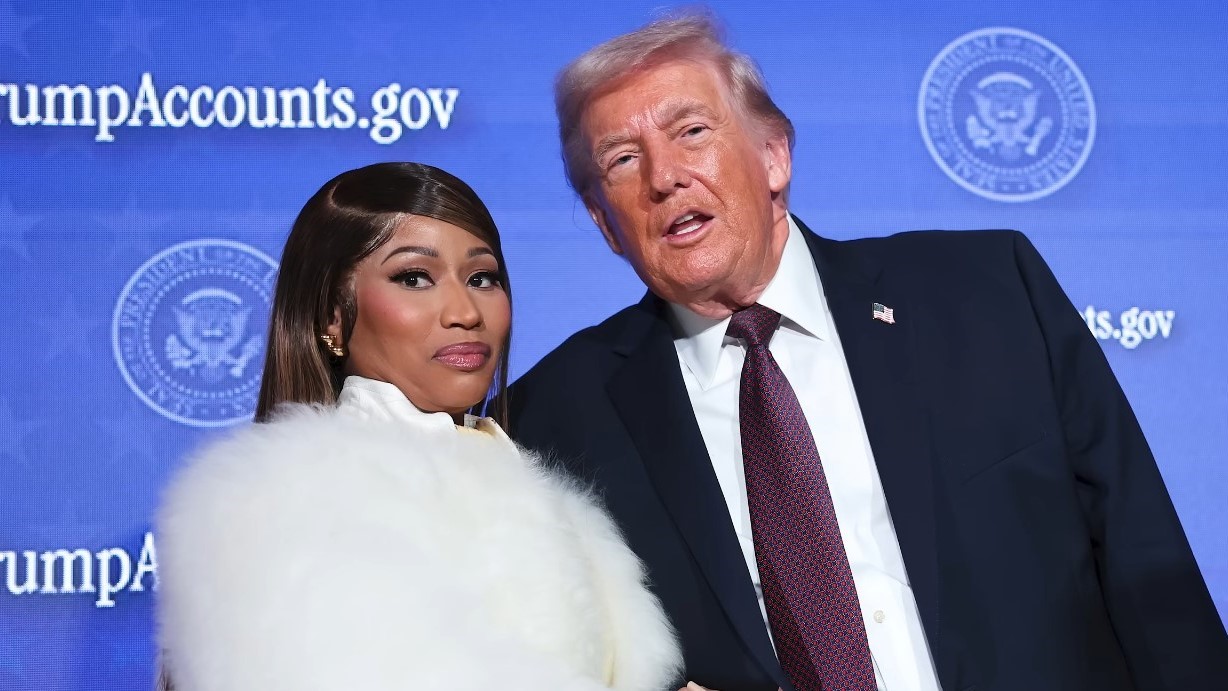
In a development that has reverberated across social media and political circles, the White House has categorically described rapper Nicki Minaj’s Trump ‘Gold Card’ as a keepsake rather than a legitimate immigration document. The clarification came after Minaj publicly displayed what she called a ‘Trump Gold Card’ and suggested it was aiding her path to US citizenship, according to reports.
A White House official, speaking anonymously, told reporters that the card was ‘just a memento’ rather than a legal visa document. Minaj’s dramatic social media flaunting of the gold-plated item bearing the president’s likeness generated widespread speculation about her immigration status and how she came by the card. However, the official hinted that Minaj already held legal permanent resident status and was well into the process of petitioning for citizenship when she received the card, meaning she did not require any special fast-track visa that the Trump initiative purportedly offers.
Celebrity, Politics, and Immigration Crossroads
Minaj’s post came after she attended a White House event promoting a children’s investment programme backed by President Donald Trump. Minaj wrote on social media that she was ‘finalising that citizenship paperwork as we speak as per MY wonderful, gracious, charming President’.
The so-called Gold Card has been positioned by its proponents as a fast lane to US residency and citizenship in exchange for substantial financial contributions to government programmes. In the past, reports indicated that the card was tied to a $1 million donation (£800,000) to the US Treasury plus a $15,000 (£12,000) processing fee, although Minaj claimed she received hers ‘free of charge’.
Yet the White House’s clarification makes clear that Minaj’s display of the card should be viewed as symbolic rather than evidence of special immigration privileges. Her longstanding green card status means she had an existing path to naturalisation, unrelated to the so-called Gold Card programme highlighted by her social posts. At the same event where the card was presented, Trump praised Minaj as ‘the greatest’ and ‘the most successful female rapper in history’ and highlighted her financial support for the investment accounts he was promoting.
Backlash and Broader Debate
The intersection of celebrity and politics in this episode has drawn both fascination and criticism. Minaj, a Trinidad and Tobago-born musician who later became a US resident, has in recent years shifted into high-profile support of Trump, including declaring herself his ‘No. 1 fan’ during the Treasury event. Her vocal backing of Trump has drawn ire from sections of her fanbase and observers who point to her earlier criticisms of the Trump administration’s immigration policies. Her embrace of the Gold Card narrative only intensified that debate, raising questions about celebrity influence on public perception of policy issues.
Symbolism vs. Substance
While Minaj’s social media posts suggested a breakthrough in her personal immigration journey, the White House’s description of the Gold Card as a mere souvenir reshapes the narrative. It highlights the gap between symbolic gestures and actual legal pathways in immigration, especially when amplified by celebrity platforms.
Legal and immigration experts point out that the programme linked to the Gold Card does not replace standard processes for residency or citizenship. Instead, critics argue it reflects a broader conversation about equity, access, and the role of fame or wealth in navigating complex immigration systems.
For ordinary immigrants without celebrity status or financial resources, the spectacle underscores the stark disparity between those who can leverage connections and those who must navigate bureaucratic processes alone.
Originally published on IBTimes UK
