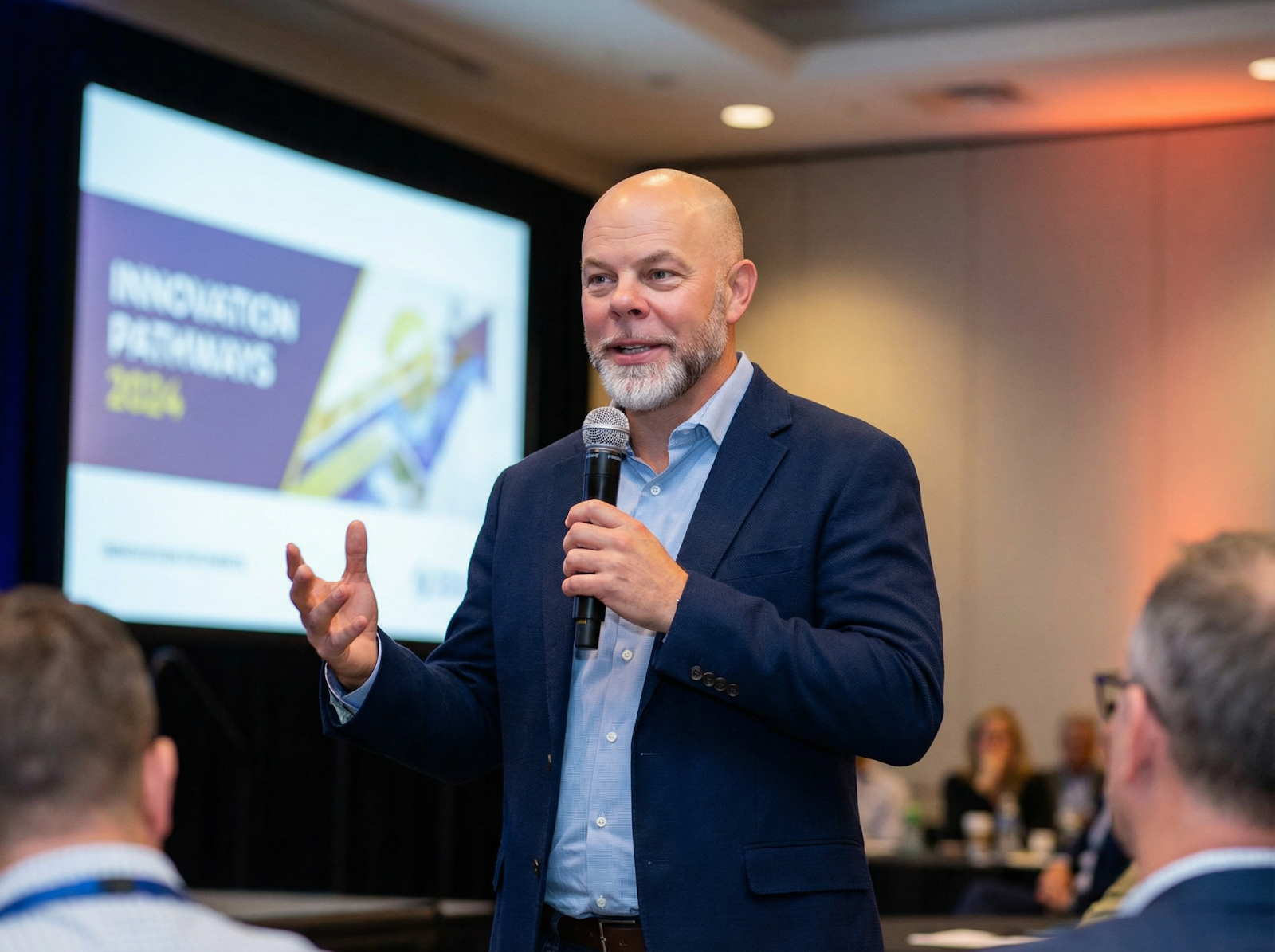
Steven Lovett, founder and CEO of Principled Consulting Services, has spent decades inside the C-suite, observing firsthand the subtle mistakes executives make that often go unnoticed until it is too late. His upcoming book, “The StrategIQ Mindset: Transforming Executives Into Strategic Assets Through Unconventional Insights”, builds on this experience, turning recurring executive blind spots into practical opportunities designed to help leaders make more forward-looking, strategic decisions.
Lovett’s work is not about conventional leadership advice or generic management tips. Instead, it focuses on identifying patterns that consistently inhibit executives from seeing the future and creating tools to overcome them. He studied behavior across industries including finance, healthcare, retail, and higher education, distilling common mistakes and translating them into frameworks that reshape how executives perceive, interpret, and act on information.
Identifying Hidden Executive Pitfalls
Lovett has noticed a recurring pattern among executives: operational excellence often suppresses strategic weakness. Organizations invest heavily in refining processes, monitoring key performance indicators, and maintaining flawless dashboards. These improvements can create a short-term, false sense of security while the organization gradually loses long-term strategic fitness.
“Executives become trapped in optimizing outputs that are measurable and familiar, while neglecting the outcomes crucial for future competitiveness,” Lovett said. This can result in teams that are disciplined and efficient yet slow to respond to market shifts or emerging threats. For instance, less than 40 percent of leadership meeting time is spent addressing forward-looking initiatives, leaving companies competitively vulnerable despite appearing successful on paper.
Patterns in Executive Decision-Making
Through years of advisory work, Lovett identified mental models and decision-making habits that repeatedly undermine strategic performance. One such pattern is consensus-driven decision-making that prioritizes operational comfort over strategic risk. Executives may create detailed strategic plans and engage stakeholders, yet these plans often do not translate into actionable steps aligned with long-term goals.
Over-optimizing existing business models emerged as another repeated pattern. Companies become highly efficient at yesterday’s game while failing to explore new markets or develop alternative capabilities. These patterns appeared across different sectors and organizational sizes, suggesting general structural tendencies in executive behavior.
From Observation to Frameworks
Insights from these patterns inspired Lovett’s frameworks, including the StrategIQ Mindset™, the Agincourt Principle™, and the “FITREP dashboard.” StrategIQ Mindset™ helps leaders focus on long-term strategic adjustments over short-term operational gains. The Agincourt Principle™ encourages executives to anticipate risks and take advantage of opportunities that competitors cannot yet see. The FITREP dashboard tracks not only traditional performance metrics but also measures strategic capability, optionality, and market position.
Lovett designed these frameworks to integrate directly into executive decision-making. They serve as practical tools that teach leaders to separate operational noise from strategic priorities, translating insight into structured action.
Lessons for Boards and Executives
Boards and senior executives can apply practical takeaways by auditing how time and attention are allocated during decision-making processes. Discussions should focus on building capabilities that ensure long-term relevance rather than solely on incremental improvements. Identifying areas where operational comfort outweighs strategic foresight can reveal hidden vulnerabilities.
Challenging mental models and anticipating market shifts before they occur remains essential. Systematic application of frameworks like the StrategIQ Mindset™ allows executives to redesign calendars, teams, and dashboards to align with intentional strategic advantage. The result is a company prepared to thrive in future markets, not just fight for efficiencies in the present.
Steven Lovett’s work highlights a growing concern: operational mastery alone cannot safeguard the future. By identifying invisible mistakes and converting them into actionable frameworks, he provides a roadmap for executives and boards to bridge the gap between day-to-day performance and sustainable strategic advantage. The StrategIQ Mindset offers both a lens for understanding these patterns and a toolkit for turning insight into measurable action, challenging leaders to rethink how they design the future of their organizations.



![Madhav Sheth fixing gap in India’s smartphone story with long-term bet on Ai+ [Interview]](https://data1.ibtimes.co.in/en/full/828400/madhav-sheth.png?w=800&h=420 "Madhav Sheth fixing gap in India’s smartphone story with long-term bet on Ai+ [Interview]")