


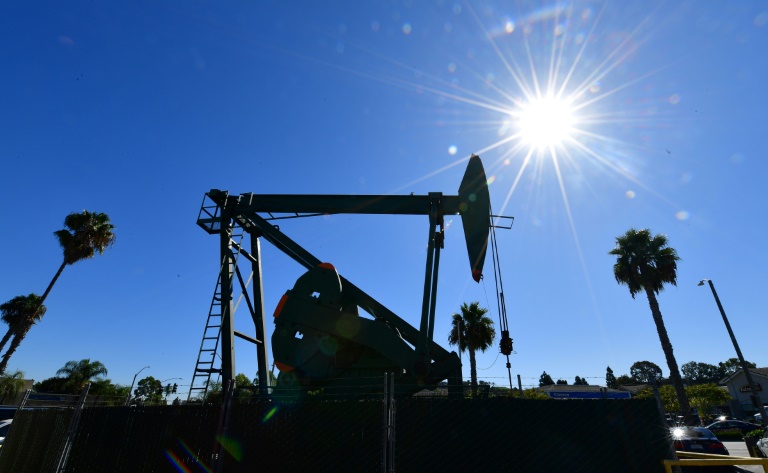
Crude oil prices remained stable near $70 a barrel Wednesday as traders balanced growing geopolitical risk in the Middle East with strong consumption signals from Asia. Analysts said the market is currently being driven more by risk premiums and demand expectations than by recent U.S. supply data.
Tensions involving Iran continue to add uncertainty to global oil flows. Market participants said that even as diplomatic discussions continue, the risk of disruption to shipping routes or crude exports is still being priced into crude. An analysis obtained by Investing.com noted that lingering Iranian uncertainty has helped keep oil prices supported, despite a notable estimated increase in U.S. crude inventories.
At the same time, demand from major Asian buyers is adding bullish momentum. A report obtained by RBC Ukraine highlighted that robust oil consumption in India is helping absorb surplus supply, strengthening the market’s near-term outlook. Traders said India’s steady buying has provided a counterweight to fears of a global oversupply.
OPEC+’s cautious production stance is also supporting prices. An analysis by Business Standard said the group has paused planned output increases for the first quarter of 2026, a move that is expected to keep supply tighter than previously forecast, especially during the peak consumption season. Analysts said the pause reflects OPEC+’s reluctance to flood the market amid uncertain demand and geopolitical risks.
Regional supply disruptions are further tightening the balance. Reuters reported that OPEC output fell in January due to lower production in Nigeria and Libya, a development traders said could offset some of the bearish impact from U.S. stock builds. Market watchers said this decline could become more significant if production issues persist or escalate.
Analysts said the market will likely remain sensitive to the next U.S. inventory report from the Energy Information Administration, which could confirm whether recent stock builds reflect a temporary fluctuation or weakening demand. Until then, traders said the price outlook will remain largely driven by geopolitical headlines and demand trends in Asia.
