


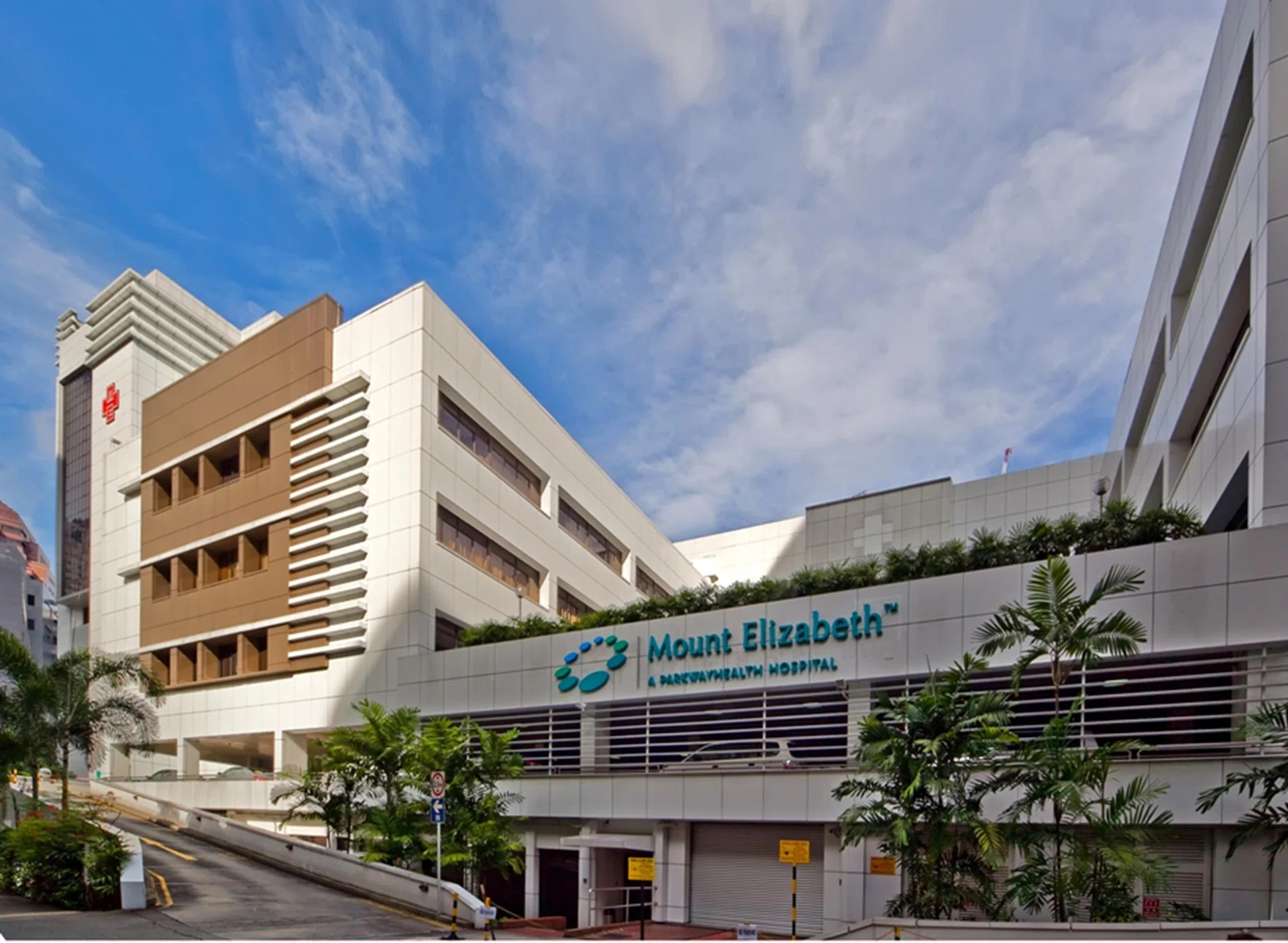
The 10-year social loan is the first such facility the bank extends to the healthcare sector
[SINGAPORE] Parkway Life Real Estate Investment Trust (Reit) has secured an 8.8 billion yen (S$72 million) social loan from DBS, and also priced a S$70 million green bond at a 2.103 per cent coupon.
The manager of the healthcare-focused Reit on Friday (Feb 20) said that the proceeds will be used to refinance existing loans that are maturing in the fourth quarter of 2026.
They also fall under its new sustainable financing framework, which allocates proceeds from such facilities to green and social projects across its portfolio in Singapore, Japan and Europe. These include energy-efficiency upgrades as well as healthcare and eldercare infrastructure enhancements.
The 10-year social loan is earmarked for refinancing an existing loan to acquire nursing homes in Japan, said the Reit manager.
A social loan is an instrument for funding projects that address specific social issues. The one extended to Parkway Life Reit is the first that DBS has issued for the healthcare sector.
Meanwhile, proceeds from the five-year green bond – managed by UOB – will be used to term out a loan for renewal works at Mount Elizabeth Hospital, the Reit manager said. It is also the trust’s inaugural green bond, and will be issued on Feb 27.
Navigate Asia in
a new global order
Get the insights delivered to your inbox.
The upgrades aim to help the hospital achieve the Building and Construction Authority’s Green Mark Platinum certification, Singapore’s highest rating for a sustainable building.
After deploying the proceeds, the manager said the Reit will have no debt refinancing requirements until March 2027, and its weighted average debt maturity will be extended from three years to 4.1 years.
Yong Yean Chau, chief executive officer and executive director of the manager, said: “As demand for quality healthcare and aged care facilities continues to rise alongside ageing populations, the (sustainable financing) framework enables us to channel capital towards assets that deliver meaningful environmental and social outcomes while creating sustainable value for our stakeholders.”
Units of Parkway Life Reit closed flat at S$4.04 on Friday, before the news.
Decoding Asia newsletter: your guide to navigating Asia in a new global order. Sign up here to get Decoding Asia newsletter. Delivered to your inbox. Free.
