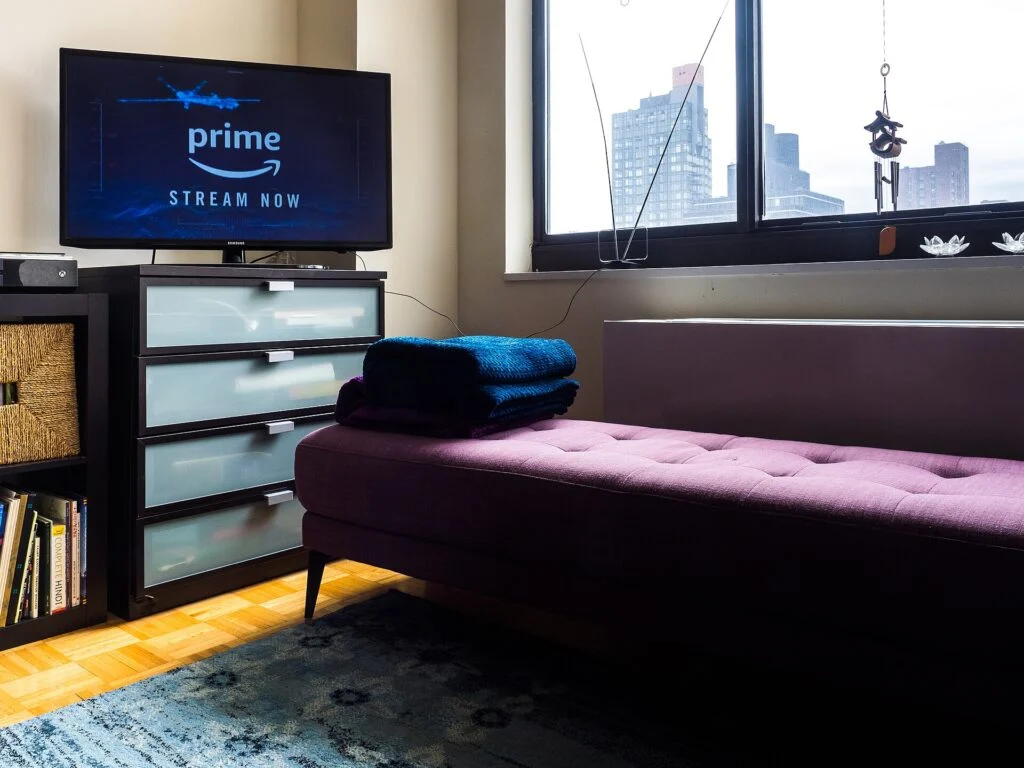
Sotheby’s and Christie’s raise lower-tier buyer’s premiums to 28 percent in 2026
Sotheby's and Christie's raised lower-tier buyer's premiums to 28 percent in 2026, while Phillips uses priority bidding discounts. Here is how the tiers work.
Buyers at the major auction houses pay more than the hammer price. A buyer’s premium, set by a published schedule of price bands, is added on top of the bid that wins the lot. Sotheby’s and Christie’s both raised their lower-tier rates in 2026, and Phillips’s new Buyer’s Premium rates took effect on 12 April 2026.
This explainer sets out how the tiers are applied, the rates in force according to the sources read for it, and where those sources disagree. It also looks at what the same percentages mean for sellers.
How the Tiers Are Applied to the Hammer Price
The buyer’s premium is calculated on the hammer price. Each rate applies to a band of the price, so a lot that crosses a threshold pays a different rate on each part.
Antiques Trade Gazette gives a worked example for Sotheby’s new schedule. At the new rates, a £1.5 million hammer price carries a premium of £420,000, up from £370,000 under the previous schedule. The report puts that rise at 13.5 percent.
The premium is added to the hammer price rather than deducted from it. MyArtBroker’s illustrative sums leave out VAT, the artist’s resale right and seller charges, so a buyer’s total cost depends on more than the headline schedule.
Sotheby’s lower-tier rate
Sotheby’s raised its lower-tier buyer’s premium from 27 percent to 28 percent for sales from 13 February 2026, according to Antiques Trade Gazette. The lower band’s ceiling rose to $2 million in New York.
Sotheby’s Lower Tier Moves to 28 Percent
According to Antiques Trade Gazette, the new Sotheby’s schedule took effect on 13 February 2026. The article is dated 18 February 2026, which gives the year. The lower band rose from 27 percent to 28 percent, and its ceiling moved from £800,000 to £1.5 million in London and from $1 million to $2 million in New York. The change applies to all Sotheby’s salerooms and sale categories except wine and spirits.
The 22 percent middle band runs to £6 million or $8 million, and 15 percent applies above that. Wine and spirits carry a flat 24 percent rate. The report says the aim is to improve margins at the lower end of the market, where most works are sold by volume.
The article’s history of the schedule covers two periods. It describes a simplified structure introduced in May 2024, with a 20 percent rate up to £5 million or $6 million, which it says was dropped the following February, reportedly because it hurt consignments and profitability. Its table of previous rates, which gives the rates before the February 2026 change, uses the £6 million and $8 million thresholds, so the two describe different periods.
Sotheby’s terms page could not be opened for this piece, so the Sotheby’s figures rest on trade reporting. Grossman LLP reports the February rise to 28 percent and $2 million, and USA Art News reports that Sotheby’s raised its rates in February, but neither gives the 13 February date.
Christie’s Adopts the Same Structure From September 1
USA Art News reports that Christie’s new buyer’s premium took effect on 1 September 2026 for all departments except wine. The schedule is 28 percent up to and including £1.5 million or $2 million, 22 percent from there up to and including £6 million or $8 million, and 15 percent above that. The report says the new rates match Sotheby’s and that Christie’s cited an internal business review.
The previous Christie’s lower band was 27 percent, with the ceiling at £1 million or $1.5 million. USA Art News dates that schedule to September 2025, and Grossman LLP gives the same month for the 27 percent change. When the Sotheby’s change was reported in February, Antiques Trade Gazette reported that a Christie’s spokesperson said the house had no current plans to change its rates.
USA Art News also reports that Bonhams’s new schedule takes effect on 1 October 2026, its first fee change since 2023. The new schedule adds a 30 percent band on the first £25,000 or $35,000. Bonhams is not one of the three houses covered in detail here.
Phillips’s Schedule and the Priority Bidding Discount
Grossman LLP, in a May 2026 post, lists Phillips’s lower tier at 29 percent up to $2 million, with 22 percent up to $8 million and 15 percent above that. It dates the increase to the previous fall without giving an exact date. Antiques Trade Gazette places the introduction of Phillips’s new structure, with lower priority bidding rates, in September 2025.
The Phillips page on priority bidding says new Buyer’s Premium rates take effect on 12 April 2026, and does not say whether that date applies to priority bids. The page was published on 17 July 2025 and says the priority bidding structure begins with the fall auctions this September, which places the start in September 2025.
Priority Bids are binding written bids. They must equal or exceed the lot’s published low estimate and be submitted at least 48 hours before the auction starts. The structure applies to live auctions in all categories. The page says savings of up to 4%, and Grossman LLP says the premium is reduced by between 1% and 4%, depending on the tier.
The text of the page read here does not give the reduced rate for each tier, so those rates are not stated here. If a priority bidder wins, the lower rate applies whether the winning bid equals the priority bid or a higher bid the same bidder places later.
Timed online-only auctions use the new standard rates and are not currently eligible for priority bidding. Watches are excluded from the update.
When buyers hold to their ceiling, a higher premium means a lower hammer price, and the seller’s proceeds come from the hammer.
What Higher Premiums Mean for Sellers and Guarantees
MyArtBroker, which runs a private sales service, argues, citing the advisor Josh Baer, that experienced buyers set a total ceiling and work back from it, rather than from the hammer. When the premium rises, the total they will pay stays the same, so the hammer they can reach falls. When buyers hold to their ceiling, a higher premium means a lower hammer price, and the seller’s proceeds come from the hammer.
In MyArtBroker’s illustrative example, a total ceiling of £10,000 supports a hammer of £8,000 at a 25 percent premium, £7,813 at 28 percent and £7,692 at 30 percent. The example uses a single flat premium. The article says a $100,000 hammer carries a $28,000 premium under the new Christie’s and Sotheby’s structure.
The article places the squeeze most sharply on the core of the prints market, works selling for roughly $30,000 to $250,000. It describes those lots as large enough for the premium to be a serious sum but too small to reach the lower tiers.
The pages read for this piece say little about guarantees. MyArtBroker notes only that running an auction house means paying for guarantees alongside sale rooms, specialists, logistics and marketing, and gives no terms. No current seller’s commission schedule for the three houses appeared in the pages opened. MyArtBroker says its own seller’s commission is 0 percent.
Where the Sources Disagree
Sotheby’s figures come from Antiques Trade Gazette. Its standfirst says ‘under £1.5 million’, while its schedule says ‘up to £1.5 million’. The sources read do not say whether the Sotheby’s boundary is inclusive, whereas USA Art News describes the Christie’s boundary as inclusive. The house’s own terms page could not be opened, so readers should confirm the current bands on the house’s site before bidding.
Phillips’s 29 percent tier is taken from Grossman LLP’s account. The Phillips buyer’s premium PDF could not be read, so the full schedule for each city, the April 2026 rates and the priority tier percentages remain unverified in this piece. The sources agree on the timing: Antiques Trade Gazette places the new structure in September 2025, and the Phillips page, published 17 July 2025, refers to the fall auctions ‘this September’.
Photo: ajay_suresh · Public domain · via Wikimedia Commons