Technology has transformed communication, connecting people like never before. However, despite technological advancements, the digital language gap remains a massive barrier. With over 7,000 languages spoken worldwide, the vast majority are underrepresented or entirely absent in the digital realm. This disparity hinders access to information, limits opportunities, and perpetuates inequalities.
In this regard, India perfectly illustrates the challenges and opportunities for AI in addressing this digital language gap: as of 2024, more than 800 million Indians are active on the internet; a third of the population speaks at least two languages; and more than 700 dialects are spoken across the country.
The impact of the digital language divide is far-reaching. It affects individuals, communities, and entire nations, particularly those speaking low-resource or minority languages. Without adequate digital representation, these groups face challenges in accessing educational resources, participating in online discussions, and benefiting from the knowledge available on the internet. This exclusion limits personal growth and opportunities and hinders linguistic and cultural diversity preservation and promotion.
Unlocking the Power of NLP
Artificial intelligence (AI), particularly natural language processing (NLP), is key to bridging the digital language gap. NLP enables machines to understand, interpret, and respond to human languages, opening up possibilities for automatic translation and communication across linguistic boundaries. The potential impact is immense, from facilitating global dialogue and fostering cultural understanding to providing access to education and resources in one’s native language.
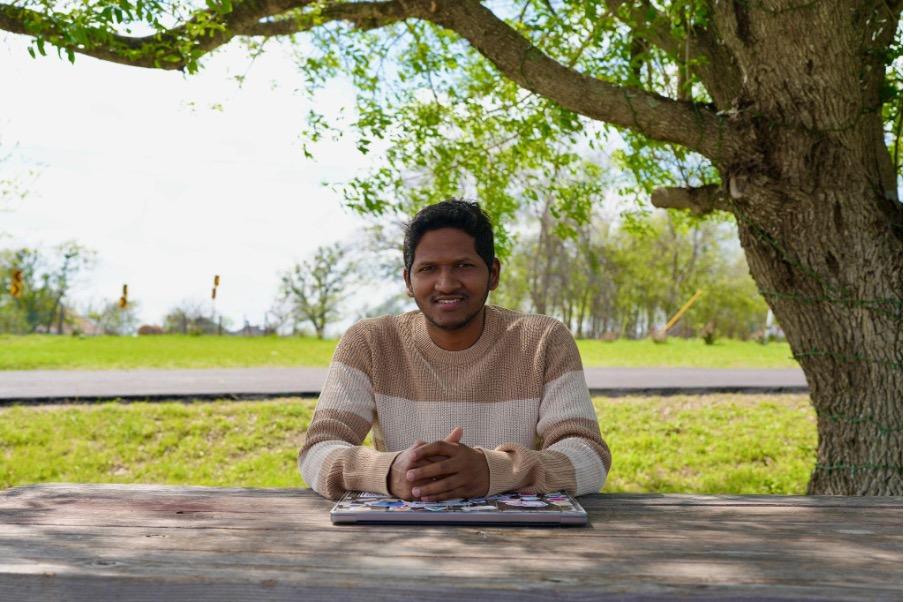
Researchers in AI are making remarkable progress in bridging the digital language gap. To delve deeper into this topic and glean insights from an esteemed authority in the field, we reached out to Dr. Benjamin Muller, a postdoctoral researcher at Meta AI.
Dr. Muller’s standing as a recognized expert in the field underscores the significance of his contributions. His research is centered on advancing AI technologies capable of comprehending diverse languages, showcasing the transformative potential of AI in overcoming linguistic barriers. Dr. Muller’s work focuses on developing AI technologies that can comprehend a wide range of languages, demonstrating the potential for AI to break down linguistic barriers.
“The recent progress in Large Language Modeling, the technology behind ChatGPT, unlocked fantastic opportunities for scaling AI technologies to more languages. Indeed, because these models can efficiently transfer the knowledge acquired in one language, such as English, to other languages, such as Kannada, it is now possible to build AI systems in languages where only a limited amount of data is available,” says Dr. Muller. “However, this opportunity comes with challenges. Understanding how to evaluate and adapt these systems to the cultural context of each language and community remains an open question that calls for more research,” he adds.
Integrating multimodal modeling, encompassing text, speech, and images within a unified AI framework, offers immense potential as the world progresses. Artificial intelligence can foster genuine understanding and empathy across cultures by capturing the intricate fabric of human communication, including emotional and cultural nuances. This advancement could revolutionize how people interact and collaborate digitally, creating a more inclusive and connected global community.
The Road to Linguistic Inclusivity Through Artificial Intelligence
However, the path to linguistic inclusivity in AI is not without challenges. Traditional approaches relying on extensive human-annotated data have proven unscalable and unsustainable, particularly for low-resource languages. Overcoming these obstacles requires innovative solutions, stakeholder collaboration, and a commitment to linguistic diversity.
Moreover, the diversity of languages, each with its unique structure, grammar, and cultural nuances, presents a formidable task for researchers and developers. India presents a significant challenge in this regard. With more than 700 language variants coming from very distinct language families, building AI systems that will support such a wide range of languages while preserving the cultural nuances of each local context will require significant investment from the AI community.
The Key to Bridging the Digital Language Divide
Acknowledging that AI alone cannot solve the digital language divide on its own is essential. Collaboration between researchers, policymakers, and communities is crucial to ensure that the development and deployment of these technologies are inclusive, ethical, and sensitive to the needs and concerns of diverse linguistic groups. Engaging with language communities, involving them in the process, and respecting their cultural heritage are crucial to building trust and acceptance.
The digital language gap is a complex challenge that the world cannot ignore. As society strives for a more connected and equitable world, utilizing AI to bridge linguistic divides is not only a technological imperative but a moral one. By investing in research, fostering collaboration, and prioritizing linguistic inclusivity, the global community can strive for language to facilitate understanding and access to opportunity in the digital age rather than be a barrier.