


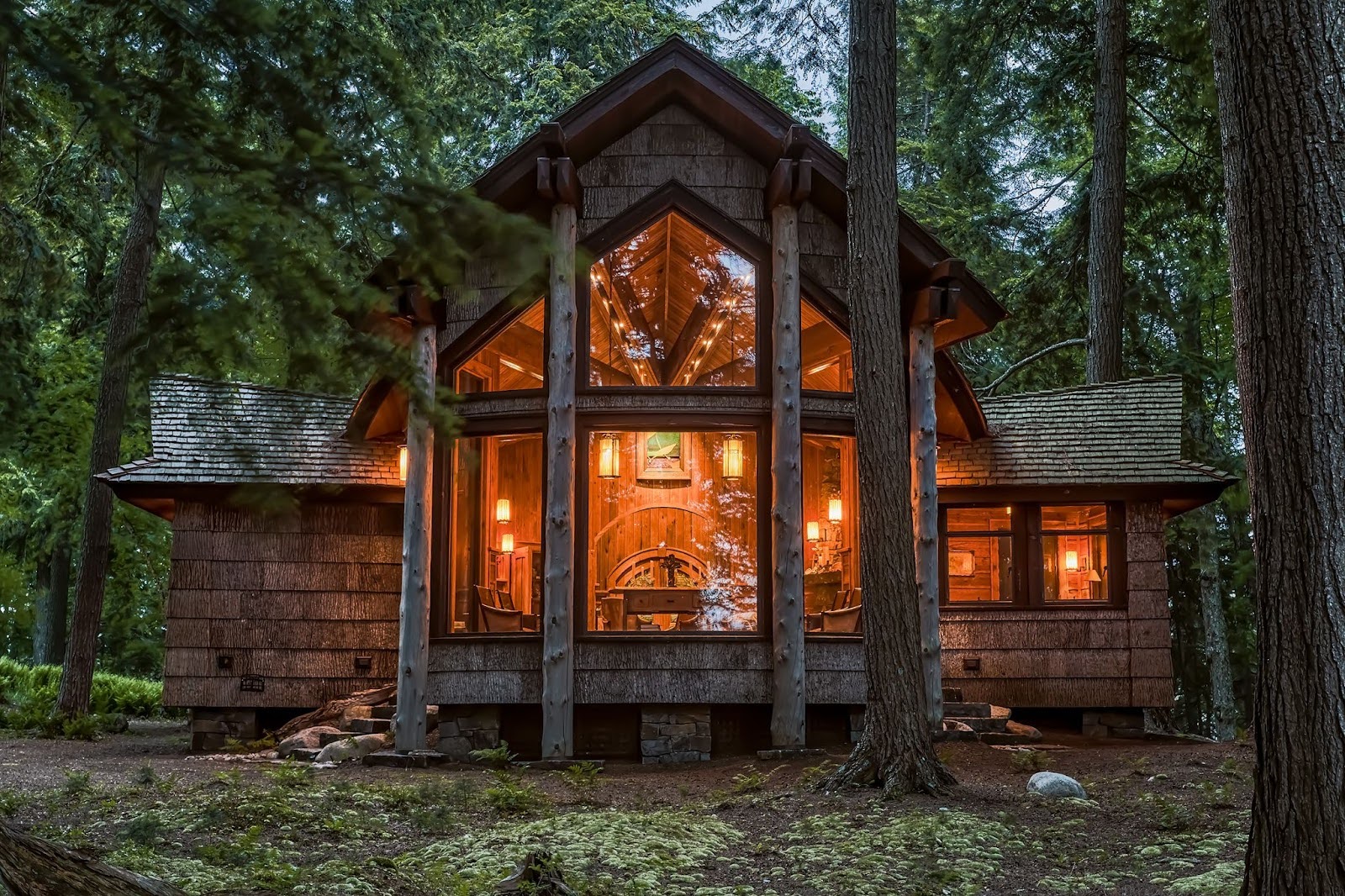
For architect Andrew Chary, luxury is not about spectacle or scale. It’s about belonging. Based in the Adirondack Mountains of New York, Andrew Chary Architect, PLLC has spent more than three decades crafting exquisite residences, boathouses, and a private chapel across the Adirondacks and New England – many inspired by the region’s historic Great Camps. “My job is to translate someone’s wish list into emotions and then translate those emotions into a buildable reality,” he says.
That human-centered ethos defines his approach to modern design. “I take the historic Great Camp concept and bring it into our current age in a meaningful way,” he explains, referencing the heritage of rustic family compounds once frequented by the Vanderbilts and Rockefellers.
Heritage Architecture for a New Generation
The resurgence of multigenerational living is reshaping how families view real estate. According to the National Association of Realtors, 17 percent of U.S. homebuyers in 2024 purchased properties designed for multiple generations – the highest level on record. Chary sees that evolution not as a market quirk, but as a return to roots. “I am creating a venue where you can know who you are and the nuances of who came before you.”
His clients often speak of homes that outlive their original owners – lake houses, ski lodges, and retreats that hold memory as much as material. “I have clients who tell me their great-grandmothers built this cabin, and that carries so much emotional weight. It gives them something to preserve and pass forward,” he adds.
Faith and Intuition
Chary’s creative process blends intuition with spirituality. “This is a God-given gift and something that I am supposed to share,” he says. “When I made that shift of faith, I found that I connect even better with clients – and their trust in me deepens.” His clients often describe his finished spaces as comforting, even nurturing. “People have told me my buildings feel like a comforting hug,” he adds.
For Chary, architecture is both prayer and practice – an art of listening as much as designing. By grounding his work in empathy, he creates homes that breathe rather than simply exist, spaces that elevate mood, invite gathering, and restore calm.
Crafting Harmony
Every project begins with deep observation. Chary studies the rituals that define family life – morning routines, celebrations, even the way a household does laundry. “It gets very intimate,” he laughs. “But those details reveal who you are.”
From those insights, he designs environments that foster balance and shared experience. Kitchens double as social theaters; great rooms open to the outdoors; and private spaces remain quietly restorative. “I try to marry your lifestyle to your unique land,” he says. “That harmony between lifestyle and setting is what I focus on.”
Global Influence, Local Soul
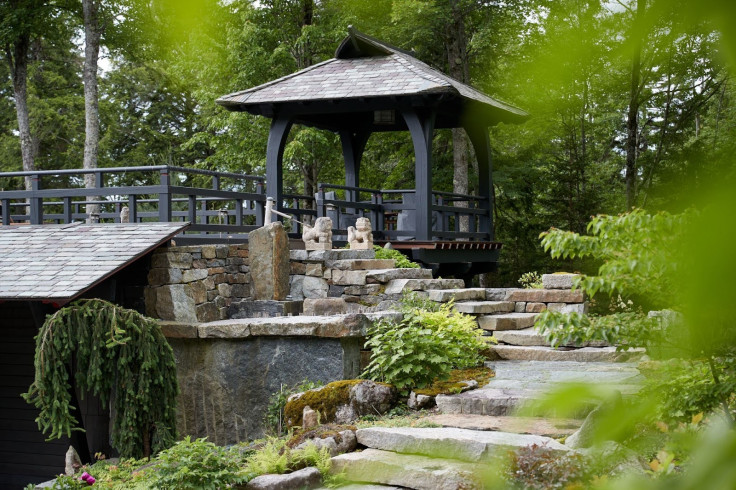
While Chary’s practice is rooted in the Adirondacks, his influences stretch across cultures and eras – from Antoni Gaudí’s organic geometry to Julia Morgan’s Beaux-Arts style and Zaha Hadid’s expressive modernism. “Why can’t I synthesize some of those and bring them to other people in other places?” he asks.
These inspirations infuse his projects with a cosmopolitan subtlety that complements their sense of place. The result is architecture that feels at once grounded and transcendent – heirloom design shaped by the universal language of craft.
Sustainability Through Care
At his firm, sustainability is woven into process, not appended as policy. Chary favors reclaimed timber, natural stone, and regionally sourced materials that reflect what he calls “the time and vibration of noble materials.” Each beam and plank carries a history, embedding continuity into structure.
The global green construction market is projected to surpass $770 billion by 2030, underscoring how ecological design has become a measure of quality. For Chary, however, the motive is personal. “So many buildings lack the feeling that they were assembled with love by human hands,” he says. “I want my work to resonate with the mark of humanity.”
The Business of Legacy
Custom architecture continues to prove resilient even amid economic uncertainty, as more families view real estate as a vessel for values rather than speculation. Chary’s clientele – multigenerational families, entrepreneurs, and philanthropists – commission homes that serve as cultural anchors. “I am forging a network of cousinhood,” he says. “If you grow up with cousins, you have an enriched life. I’m designing for that kind of connection.”
This vision positions his firm within a growing global niche: bespoke design rooted in continuity, spirituality, and legacy. As wealth transitions between generations, homes built for longevity and meaning are becoming a new category of investment – architecture as emotional equity. In Chary’s philosophy, emotional equity is the inheritance a home transfers across generations: memories, rituals, and the feeling of belonging made tangible.
Architecture Rooted in Love
When asked what he hopes to be remembered for, Chary answers with quiet certainty. “I want to be thought of as someone who brings whimsy and play into the mundane,” he says. “Someone who transforms conventional archetypes to connect people to nature and to each other.”
His buildings are not monuments to affluence but vessels of belonging – places where families gather, generations intertwine, and nature flows through open doors. They remind us that the most enduring luxury is not grandeur but grace: homes that hold love, history, and the resonance of life itself.
