


Apple didn’t just lose an executive. It revealed a deeper weakness in how it is competing in artificial intelligence. The exit of John Giannandrea, who led Apple’s AI efforts, comes at a time when the company is facing growing pressure to deliver meaningful advances in generative AI.
While Apple has long positioned itself as a careful and privacy-focused player in AI, the rapid pace of innovation across the industry has exposed gaps in both speed and execution. This leadership change is not happening in isolation. It follows mounting delays around Siri upgrades and a broader struggle to match the capabilities being rolled out by competitors.
As companies like Google and Microsoft push AI integration into their ecosystems, Apple is being forced to rethink whether its current approach can keep up with the new reality of the AI race.
John Giannandrea is stepping down from his role leading artificial intelligence at Apple after several years at the helm. Officially, this is being positioned as a gradual transition toward retirement, with a reduced role going forward. The explanation doesn’t hold up when you look at the timing. Internal changes had already been underway, quietly reshaping responsibilities before the announcement became public.
Siri Delays That Triggered Pressure
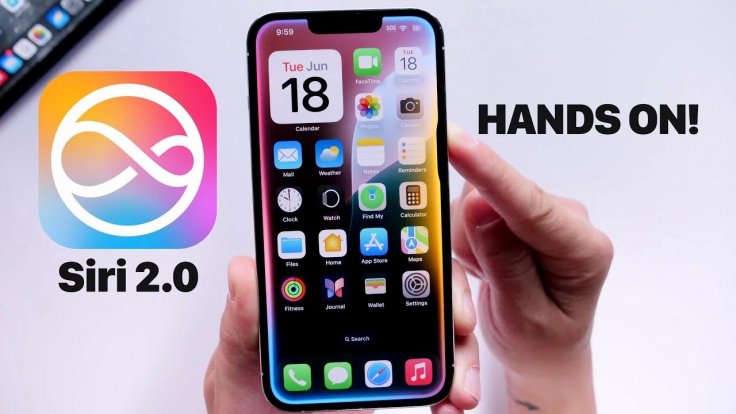
The pressure point was Siri and it’s been building for a while. Apple’s voice assistant, once a defining feature, has struggled to evolve in a meaningful way. While competitors rolled out advanced generative AI systems capable of natural, context-aware conversations, Siri remained stuck in incremental upgrades that didn’t change user experience in a significant way.
This gap became more visible as expectations changed. Users weren’t comparing Siri to its past anymore they were comparing it to what AI could now do. And on that front, Apple didn’t deliver in time.
What started as a delay quickly turned into something bigger: a credibility problem. Not just for Siri, but for Apple’s broader AI narrative.
Control Over AI Quietly Shifted
Before Giannandrea’s exit was made official, Apple had already begun redistributing power internally. Key responsibilities including oversight of Siri were reassigned. What remained under his control leaned more toward research than product delivery.
It’s a signal that leadership priorities had already changed. It suggests Apple had identified a mismatch between where it needed to go and how its AI division was being run. By the time the exit was announced, the real transition had already taken place. The announcement just made it visible.
Apple is Falling Behind in AI
This shift is happening at a time when the AI race is accelerating hard. Companies like Google and Microsoft have aggressively integrated AI across their ecosystems from search engines to productivity tools. They’ve moved fast, shipped frequently, and made their progress visible to users.
Apple has taken a different route. Its AI approach has been slower, more controlled, and heavily focused on privacy. That worked in earlier phases of AI development, where trust and stability mattered more than speed. But the rules have changed. Right now, visibility and capability are driving perception. And Apple is trailing on both fronts.
The Real Conflict: Research vs Product
Giannandrea’s background is rooted in research. Before Apple, he played a major role in AI development at Google, focusing on long-term capability building rather than rapid product deployment.
The approach helped Apple strengthen its internal AI foundation. But the current phase of the industry isn’t about groundwork it’s about execution.
The companies leading right now are shipping fast, iterating in public, and putting AI directly into users’ hands. That requires a different mindset, one that prioritizes speed, product integration, and continuous rollout.
What Happens Next for Apple
The leadership shift points to a more aggressive AI push from Apple going forward. That likely means faster rollout cycles for AI features across its ecosystem. It also opens the door for potential external partnerships something Apple has historically avoided but may now consider if it helps close the gap.
The focus is expected to shift toward product-led AI. Not just building capabilities internally, but actually delivering them in ways users can see, use, and compare. For Apple, this is less about catching up quietly and more about proving it can still compete at the front of the curve.
Apple isn’t making this change for optics. It’s reacting to a reality where falling behind in AI has real consequences. The company’s previous approach controlled, private, and measured no longer aligns with how the market is moving.
What this exit really shows is a loss of confidence in that approach. A recognition that if Apple doesn’t adapt quickly, it risks becoming irrelevant in the most important tech shift right now.
