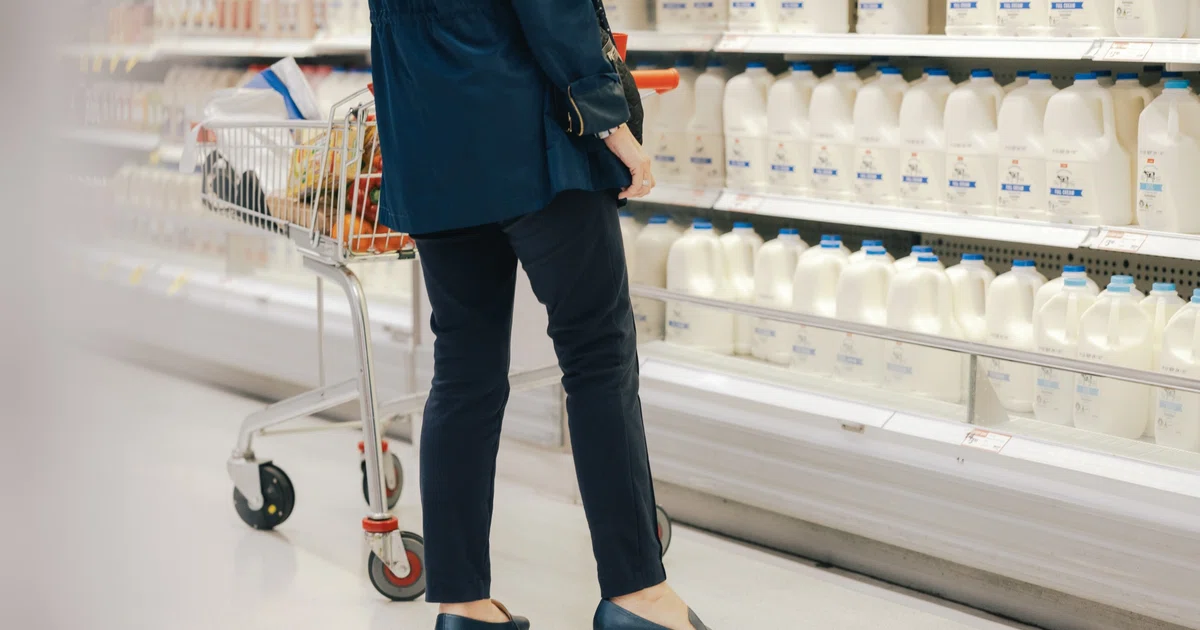
Both companies have said they have absorbed rising supplier costs and offered discounts to ease pressure on customers
[MELBOURNE] Coles Group and Woolworths Group, Australia’s dominant supermarket chains, are bracing for tougher oversight after the government moved to crack down on alleged price gouging.
New regulations banning excessive pricing of consumer goods in the Food and Grocery Code come into effect on Jul 1 and are meant to help “Australians get a better deal at the checkout” during a period of elevated living costs, Treasurer Jim Chalmers said on Sunday (Dec 14).
The legislation represents the most significant escalation in supermarket regulation in years and comes amid intensifying public anger over food-price inflation and the industry’s strong profitability. Coles and Woolworths control about two-thirds of Australia’s grocery market, leaving them more exposed to any new pricing or compliance requirements than smaller rivals.
Industry pushback has been swift. Coles and Woolworths warned in confidential submissions to the Treasury Department that the proposed rules could increase costs and ultimately lead to higher prices for shoppers, according to the Australian Financial Review (AFR). Woolworths said it may need dedicated staff to monitor whether thousands of weekly price changes comply with the new standards, while Coles cautioned that fresh-produce pricing could become more volatile and make planning harder for farmers, the AFR reported.
Over the weekend, Coles said that it’s committed to easing pressure on shoppers, noting that multiple inquiries, including the competition regulator’s own, “found no evidence of price gouging”.
Woolworths said that average prices in its food retail business have declined for seven straight quarters, and the law is “unprecedented” in targeting only two Australian-owned companies, while “much larger, foreign-owned retailers” wouldn’t face equivalent restrictions.
Shares of Coles have climbed 15.4 per cent this year, while Woolworths is down 3.1 per cent. That compares with a 6.6 per cent gain in the benchmark S&P/ASX 200 index.
An inquiry by the competition regulator earlier this year found the industry is highly concentrated and that dominant chains have limited incentive to compete aggressively on prices, reinforcing concerns that households lack meaningful alternatives.
The code will target behaviour that leaves consumers paying more than is justified by retailers’ costs. Industry groups argue the new measures are not backed by evidence and could increase compliance costs without clear benefits, pointing to a competition inquiry that did not find clear evidence of excessive pricing by supermarkets.
The Australian Competition and Consumer Commission (ACCC) “did not find that supermarkets are driving inflation”, said Bran Black, chief executive of the Business Council of Australia. “The ACCC identified higher energy, freight, labour, insurance and production costs as the key pressures on grocery prices across the entire supply chain.”
Cash mandate
The government also confirmed a cash-acceptance mandate that will require supermarkets and fuel retailers to accept physical currency between 7 am and 9 pm, with small businesses exempt.
“This is about making it easier for people to use cash to buy essentials,” Chalmers told reporters on Sunday.
The mandate may require large retailers to maintain cash-handling capacity even as they automate checkouts and shift towards digital payments, potentially adding labour and security costs.
Australia’s food and non-alcoholic beverage prices rose 3.2 per cent in the year to October, compared with 3.8 per cent for headline inflation, according to the government’s statistics bureau. The squeeze on household budgets is also reflected in recent research from The Salvation Army, which found almost half of Australians are worried about affording Christmas this year and that millions expect to go without essentials to make ends meet.
Coles and Woolworths have continued to post solid earnings through the inflation cycle, prompting questions from lawmakers about whether the chains have benefited from their market power. Coles’ adjusted net income is forecast to rise 18 per cent to A$1.3 billion (S$1.1 billion) in the year ending Jun 30, 2026, according to analyst estimates compiled by Bloomberg, while Woolworths’ is expected to increase 15 per cent to A$1.6 billion over the same period.
Both companies have said they have absorbed rising supplier costs and offered discounts to ease pressure on customers.
Chalmers described the measures as part of a broader push to deliver on consumer-focused commitments in 2025. “It’s about delivering on our commitment to crack down on price gouging by the major supermarkets,” he told Sky News Australia. BLOOMBERG
Decoding Asia newsletter: your guide to navigating Asia in a new global order. Sign up here to get Decoding Asia newsletter. Delivered to your inbox. Free.