Published Thu, Feb 19, 2026 · 04:06 PM
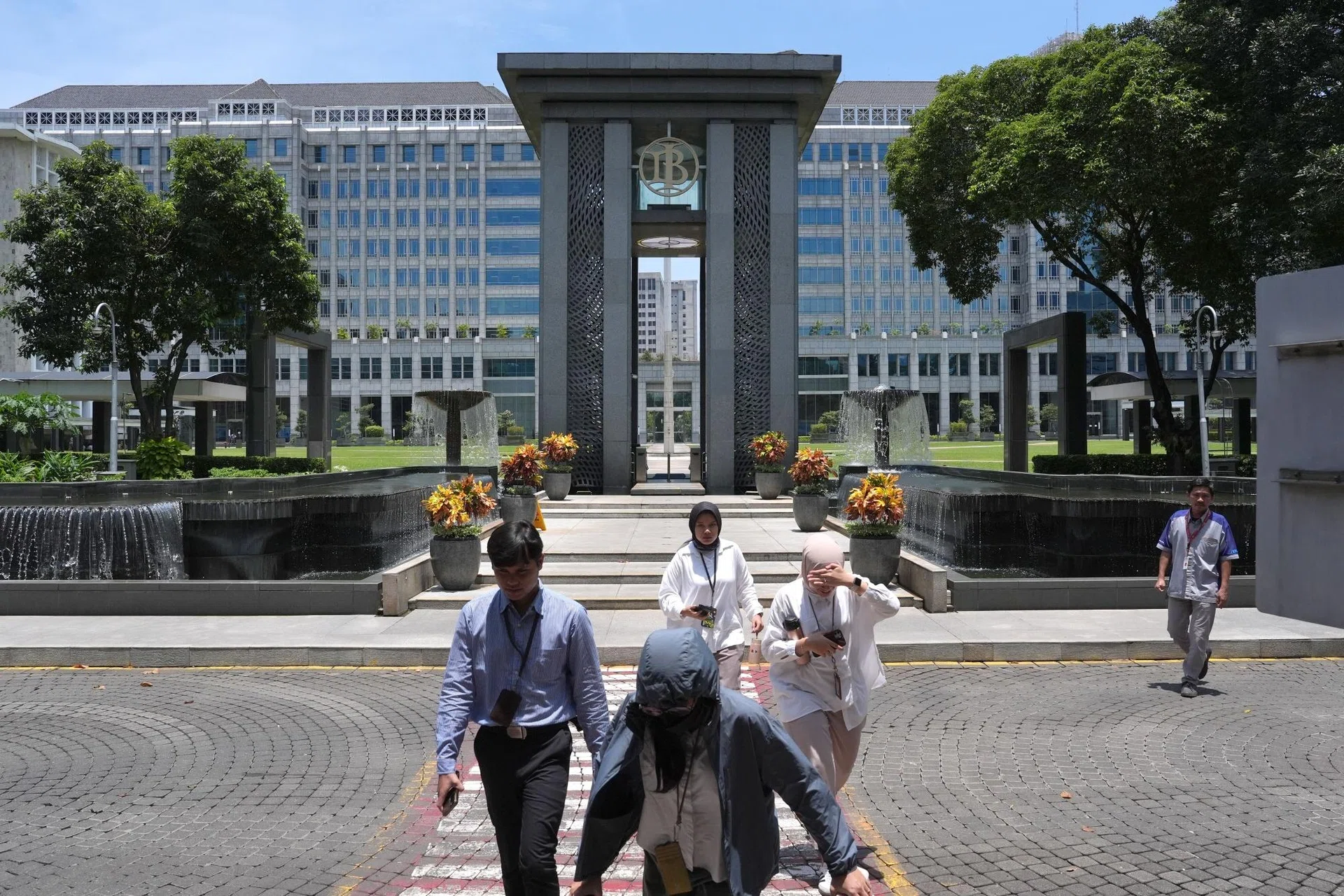
[JAKARTA] Indonesia’s central bank held rates unchanged for a fifth straight policy review on Thursday (Feb 19), as expected, saying its focus was on stabilising the rupiah currency while continuing to assess the impact of its past rate cuts on the economy.
Bank Indonesia (BI) kept the benchmark 7-day reverse repurchase rate at 4.75 per cent, matching the expectations of all but two of the 29 economists polled by Reuters.
The bank also left unchanged the overnight deposit facility and lending facility rates at 3.75 per cent and 5.50 per cent, respectively.
BI has cut its benchmark rate a total of 150 basis points between September 2024 to September 2025.
The decision was consistent with the central bank’s current focus on maintaining rupiah stability, BI Governor Perry Warjiyo said during an online press conference.
The rupiah slumped to a record low against the dollar last month, and has since hovered close to that trough, putting it among the worst-performing emerging Asian currencies so far this year.
Navigate Asia in
a new global order
Get the insights delivered to your inbox.
BI considers the rupiah to be “undervalued” compared with Indonesia’s economic fundamentals, Warjiyo said.
He also reiterated the bank’s commitment to intervene in currency markets to anchor the rupiah.
BI will increase the intensity of its interventions in offshore and onshore domestic non deliverable forward markets, the spot FX market and the sovereign bond market.
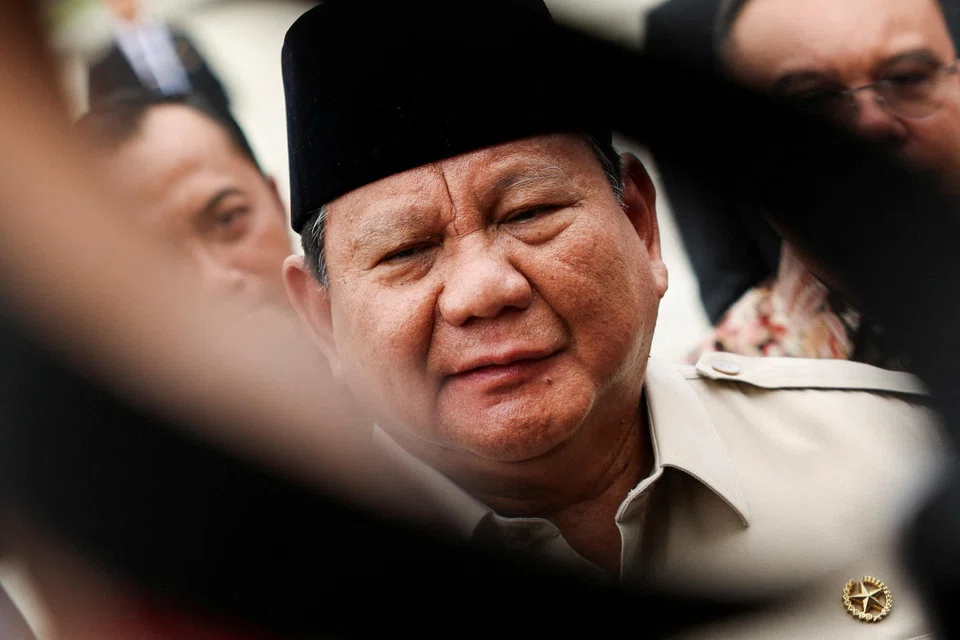
Investor sentiment towards Indonesian assets has soured on concerns that President Prabowo Subianto’s high-growth agenda could hurt fiscal health and central bank independence, as well as warnings about transparency on the stock market.
Thursday’s decision was the first since Prabowo’s nephew, Thomas Djiwandono, joined the BI board as a deputy governor. His nomination for the position last month triggered capital outflows that sent the rupiah to its record low.
Since then, index provider MSCI warned that it could downgrade Indonesian equities due to market opacity, while credit rating agency Moody’s also downgraded Indonesia’s rating outlook to negative, causing further capital flight and market jitters.
Warjiyo said BI would continue to assess whether there was room for more rate cuts at a later time to help support GDP growth. REUTERS
Decoding Asia newsletter: your guide to navigating Asia in a new global order. Sign up here to get Decoding Asia newsletter. Delivered to your inbox. Free.