


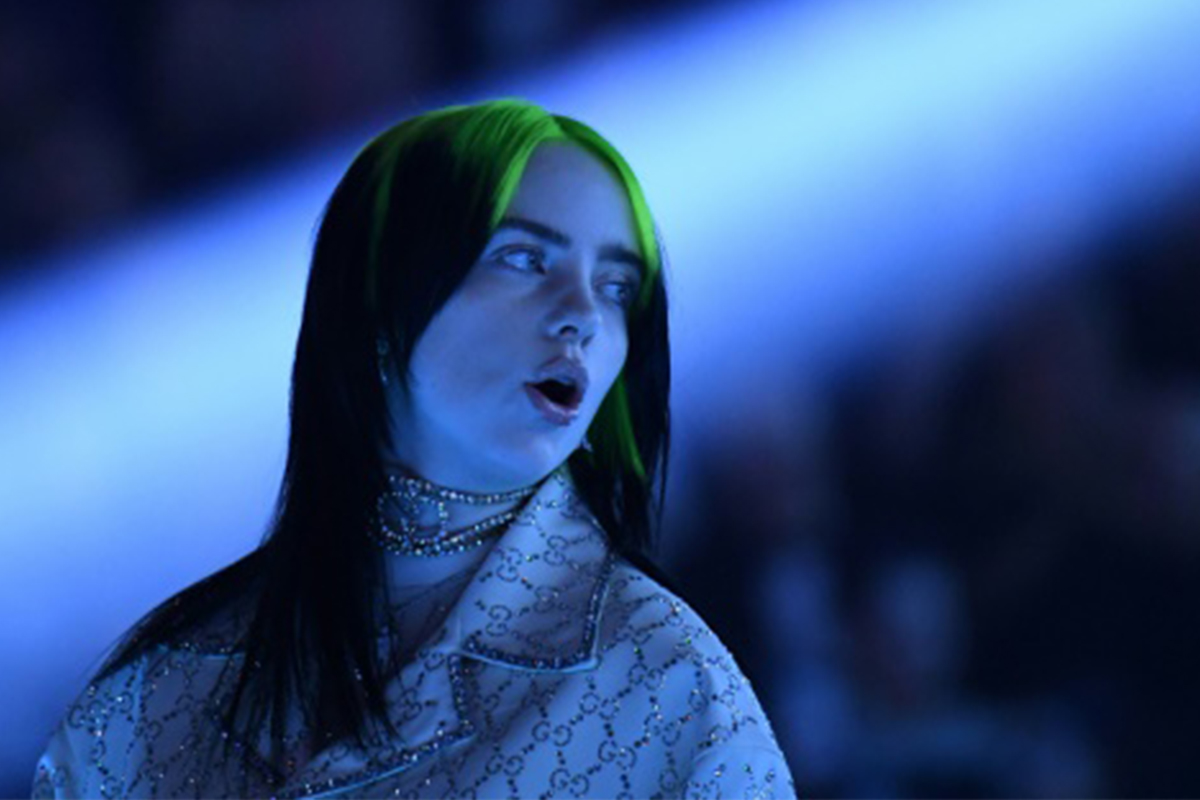
Billie Eilish’s pointed declaration at the 68th Grammy Awards that ‘no one is illegal on stolen land’ has ignited intense public scrutiny of the pop star’s ownership of a multimillion-pound mansion on land historically inhabited and cared for by the Tongva people.
The Grammy-winning artist used her acceptance speech for Song of the Year to condemn US immigration enforcement, asserting that ‘no one is illegal on stolen land’ and urging protest and resistance against Immigration and Customs Enforcement (ICE) policies.
She concluded with a censored expletive directed at ICE during the broadcast from the Crypto.com Arena in Los Angeles. Her remarks drew both applause inside the venue and debate online among critics and supporters alike.
Eilish’s Speech: A Political Platform at the Grammys
Eilish’s address at one of music’s most visible stages was a departure from the standard acceptance speech. After winning Song of the Year for ‘Wildflower,’ she thanked her peers and then pivoted to her political message, stating she did not feel the need to say anything, but that ‘no one is illegal on stolen land.’ She continued by urging continued activism, saying: ‘Our voices really do matter, and the people matter.’
The broadcast briefly censored her final line, which multiple outlets reported as a profane denunciation of ICE, though it was still audible to award-show audiences and widely circulated on social media.
Eilish was not alone in bringing political commentary to the ceremony. Several performing artists, including Bad Bunny and Olivia Dean, also addressed immigration and representation in their speeches, contributing to a broader moment of social activism on the awards stage.
LA Mansions, Ancestral Tongva Territory, And The Debate Over ‘Stolen Land’
Critics of Eilish’s speech have seized on what they see as a contradiction between her message about ‘stolen land’ and her personal real estate holdings in the Los Angeles area.
Eilish purchased a prestigious residence in La Cañada Flintridge, a wealthy suburb in Los Angeles County, for approximately £11 million ($14 million). The home, formerly owned by entertainer Donald Glover, is situated on land that is part of the greater Los Angeles basin — ancestral territory of the Indigenous Tongva people.
Billie Eilish calls America “stolen land”
Ok, Billie. Your $14,000,000 mansion in LA is built where the Tongva tribes once lived. Any plans on returning it?
— End Wokeness (@EndWokeness) February 2, 2026
The Tongva are an Indigenous people whose traditional lands, known as Tovaangar, encompassed much of what is now the Los Angeles Basin and the Southern Channel Islands. Their presence in the region predates Spanish colonisation in the late 18th century by thousands of years. Following missionisation, colonisation and subsequent US expansion, much of the Tongva territory was dispossessed, leaving no federally recognised land base for many descendants.
Local governmental land acknowledgements recognise that present-day Los Angeles County, including La Cañada Flintridge, sits on land originally inhabited and cared for by the Tongva and other Indigenous peoples. The County’s land-acknowledgement statement explicitly honours the long history of Indigenous stewardship and recognises the harms caused by settler colonisation.
Public Reaction: Outrage And Support
The juxtaposition between Eilish’s speech and her property in a historically Indigenous area has sparked a wave of online commentary. Some social media users argue that ‘stolen land’ rhetoric amounts to hypocrisy if not accompanied by tangible actions or contributions toward Indigenous communities.
Billie Eilish blasts “no one is illegal on stolen land” at Grammys – pins “ICE OUT” – full virtue signal.
But her Glendale equestrian ranch (bought $2.3M, now worth more) and any LA pads sit on former Tongva tribal land – the very “stolen” ground she cries about.
So give it…
— Tony (@TonyDGianino) February 2, 2026
Others defend Eilish’s right to advocate for immigrant rights and broader social justice issues, framing her remarks as part of a long tradition of artists using their platforms to spotlight systemic inequities.
Lol imagine being this furious and bitter at a pop star for believing humans deserve rights. Grim little ideology.
— Tom | Anti-Fascist, Pro-Human (@TomRose) February 2, 2026
Observers on both sides of the debate have referenced the historical context of land in Southern California, where Spanish colonisation and later American governance resulted in protracted loss of Indigenous land rights amid missionisation and ranching expansion.
Eilish’s Grammy speech has ignited conversations about the responsibilities of artists who speak on political issues, particularly when their personal circumstances intersect with the topics they address. For supporters, her platform has amplified calls for justice and solidarity with immigrant communities facing harsh enforcement actions. For detractors, the controversy underscores a broader cultural clash over celebrity activism and the meaning of accountability.
As the public discourse evolves, questions about land, history and equity remain at the heart of the debate sparked by Eilish’s remarks, a reminder that artistic expression often sits at the intersection of personal belief and collective memory on issues as complex as ancestral land rights.
Billie Eilish’s Grammy moment may be remembered as much for its political ripples as for its musical triumph.
Originally published on IBTimes UK
