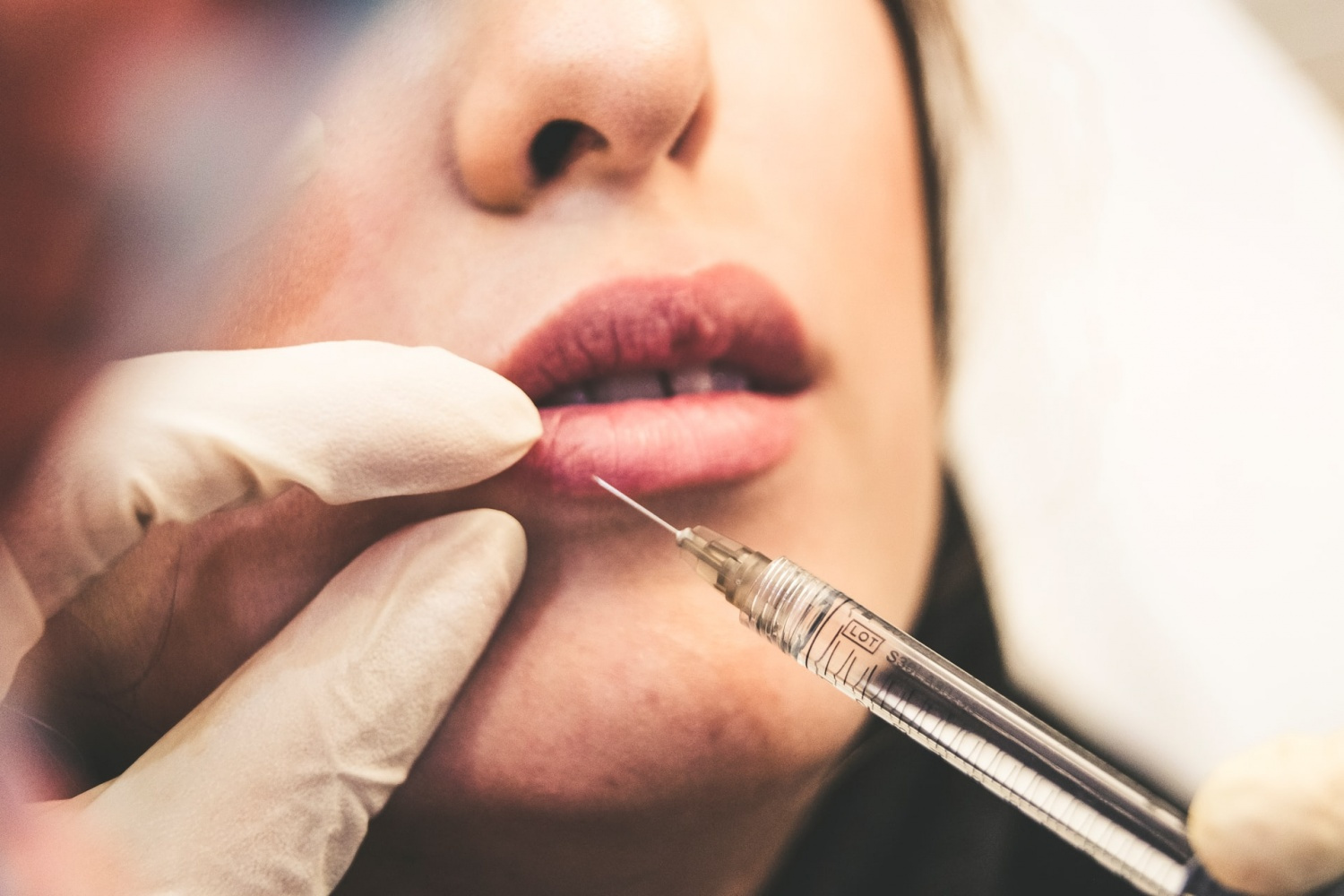
Cosmetic injectables have become a mainstream option for people exploring non-surgical anti aging treatments. Among the most talked-about options are Botox and dermal fillers. While they are often grouped together, they work in very different ways and address different signs of facial aging. Understanding botox vs fillers helps clarify which treatment aligns better with specific skin concerns, expectations, and timelines.
This article takes an objective, informational look at how these cosmetic injectables work, how long results typically last, and how they are commonly used in modern aesthetic care.
What Botox Is and What It Treats
Botox is a neuromodulator derived from botulinum toxin type A. In controlled medical doses, it temporarily relaxes targeted facial muscles. This reduction in muscle movement softens the appearance of dynamic wrinkles, which are lines formed by repeated facial expressions.
Common areas treated with Botox include:
- Forehead lines created by raising the eyebrows
- Frown lines between the brows
- Crow’s feet around the eyes
Botox does not add volume or fill in the skin. Its role in anti aging treatments is primarily preventative and corrective for expression-related lines. By limiting muscle contraction, it allows the skin to appear smoother over time.
What Dermal Fillers Are Designed to Do
Dermal fillers work differently from Botox. Rather than affecting muscle activity, fillers restore volume beneath the skin. Most modern fillers are made with hyaluronic acid, a substance naturally found in the body that attracts moisture and supports skin structure.
Fillers are commonly used to:
- Enhance lip volume and shape
- Restore fullness to cheeks
- Soften smile lines and marionette lines
- Improve under-eye hollows
In the context of cosmetic injectables, fillers are often associated with structural support and contouring. They address volume loss that naturally occurs with aging, weight changes, or genetics.
Botox vs Fillers: Core Differences Explained
Although Botox and fillers are both injectable treatments, their mechanisms and outcomes are distinct.
Key differences include:
- Botox relaxes muscles that cause wrinkles from movement
- Fillers add volume to areas that have thinned or sagged
- Botox is best for dynamic wrinkles
- Fillers are better for static wrinkles and facial shaping
Many treatment plans use both options together. This combination approach allows providers to address multiple signs of aging without relying on a single solution.
Which Lasts Longer: Botox or Fillers?
Longevity is one of the most common questions when comparing botox vs fillers. The answer depends on the product used, the treatment area, and individual metabolism.
Typical duration ranges:
- Botox results last about 3 to 4 months
- Hyaluronic acid fillers last 6 to 18 months
- Some biostimulatory fillers may last up to 2 years
Botox requires more frequent maintenance, while fillers tend to last longer but involve higher upfront costs. Lifestyle factors such as sun exposure, exercise intensity, and skincare routines may also influence how long results remain visible.
Are These Cosmetic Injectables Used for Prevention?
Preventative treatments are becoming more common in aesthetic medicine. Botox is often used earlier to reduce repetitive muscle movement before deep lines form. Fillers, on the other hand, are typically introduced later to replace lost volume.
Preventative use may include:
- Light Botox to limit expression lines
- Conservative filler placement to maintain facial balance
- Gradual treatments rather than dramatic changes
This shift reflects a broader approach to anti aging treatments that focuses on maintaining natural features rather than correcting advanced aging.
Cost Differences and Maintenance Expectations
Pricing varies widely depending on region, provider expertise, and product type. Botox is usually priced per unit, while fillers are priced per syringe.
General considerations include:
- Botox costs less per session but requires more visits per year
- Fillers cost more upfront but last longer
- Maintenance schedules differ based on treatment goals
Cost alone is not a reliable indicator of value. Treatment outcomes depend heavily on proper assessment and technique rather than frequency or quantity.
Safety and Common Side Effects
When administered by trained professionals, cosmetic injectables are considered safe for most healthy adults. Side effects are generally mild and temporary.
Common effects include:
- Swelling or redness at injection sites
- Minor bruising
- Temporary asymmetry during the settling period
Choosing a qualified provider and following aftercare instructions play a significant role in minimizing risks.
Choosing Between Botox and Fillers
Botox and fillers serve different but complementary roles in aesthetic care. Botox focuses on muscle-related wrinkles, while fillers restore volume and support facial contours. Understanding how each works makes it easier to evaluate treatment options without confusion or unrealistic expectations. In the broader landscape of cosmetic injectables, both remain central tools in personalized anti aging treatments.
Frequently Asked Questions
1. What is the main difference between Botox and fillers?
Botox relaxes muscles to reduce expression lines, while fillers add volume beneath the skin to address sagging or hollow areas. They target different causes of facial aging.
2. Can Botox and fillers be used together?
Yes. Many treatment plans combine both to smooth wrinkles and restore volume at the same time. This approach allows for more balanced and natural-looking results.
3. Which is better for long-term anti aging treatments?
Neither is universally better. Botox is often used preventatively, while fillers are used to restore lost volume. The best option depends on age, skin condition, and individual goals.
4. How often do cosmetic injectables need to be maintained?
Botox is typically repeated every three to four months. Fillers may last from six months to two years depending on the product and treatment area.
Originally published on beautyworldnews.com