Fresh produce opens the door to greater health. For many families, however, accessing nutritious food and knowing what to do with it can feel like a real challenge. In the Bronx, 22.6% of residents are food insecure and struggle with procuring nutrient-dense options for their families.
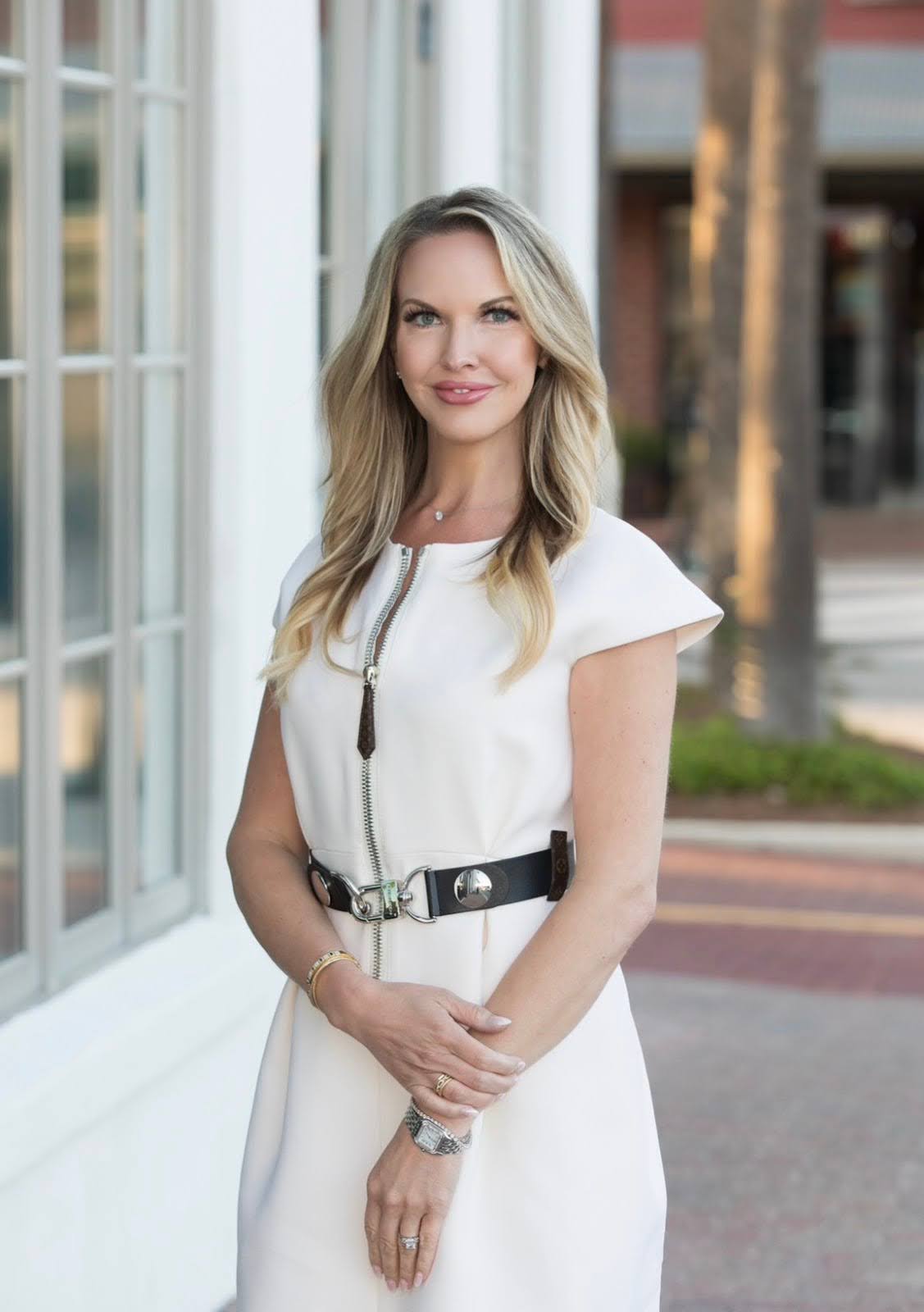
The gap between access and culinary confidence is what inspired Gail Schorsch to launch Bronx Eats in 2019, a nonprofit dedicated to pairing nutritious food access with practical cooking education across the Bronx. “It is not enough to actually bring fresh produce to people if they do not know how to cook it,” Schorsch says. “Access is very important, but education to go with it is what makes the magic happen.”
According to Schorsch, Bronx Eats partners with schools and local organizations to deliver no-charge produce distributions alongside plant-based cooking demonstrations led by professional chefs. The goal is simple: build skills, expand access, and promote lasting wellness within the community. “We offer affordable, culturally appropriate, nutritious, and delicious recipes,” Schorsch explains. “We call it the learn and repeat model. People can learn from the chef and then go home and make the recipe right away.”
Schorsch brings more than 15 years of experience, from working in the culinary world to urban farming and planning. Over time, she saw a pattern that helped shape Bronx Eats.
“Soup kitchens and food pantries play an important role in addressing food insecurity,” she says. “But teaching people how to cook their own food and feel empowered about their meal choices is even more impactful over the long term.”
The work takes place in classrooms, community centers, and at public distribution events. At each cooking demonstration, New York City chefs lead interactive sessions featuring simple recipes made with fresh ingredients. Participants taste the finished dishes and leave with recipes they can recreate at home.
“We are not trying to be Top Chef,” Schorsch says. “We are trying to simplify meals and make it easier for people to nourish themselves.”
Bronx Eats
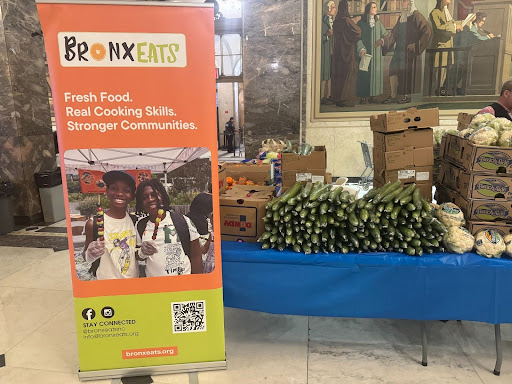
Access remains a major focus. Schorsch notes that Bronx Eats organizes produce distributions at schools and community sites, providing fresh fruits and vegetables to families with a welcoming, low-barrier experience designed to preserve dignity and remove obstacles such as transportation. “We source food through partnerships with food rescue groups and farmers in upstate New York, creating a pipeline that connects surplus produce with families who can benefit from it,” says Schorsch.
According to the organization, before expanding into schools, it launched and operated the Fordham Farmers Market in the Bronx that accepted EBT benefits, helping families purchase fresh produce in a setting designed to feel welcoming and empowering. “Accepting EBT allowed people to shop with dignity and choose their own food,” she says. “It was a meaningful asset to the neighborhood and allowed us to connect with the community.” Schorsch says this was an important step in building trust and accessibility.
Bronx Eats also hosts a monthly public distribution that provides produce to the community free of charge, becoming a stable source of fruits and vegetables to Bronx residents. These distributions are often paired with cooking guidance that helps families turn ingredients into meals.
“Food habits form young,” Schorsch says. “Being able to teach in classrooms and get students excited is incredibly important in developing a nutrition-forward mindset.”
One of the innovations of Bronx Eats is turning schools into food hubs. By hosting cooking demonstrations and produce distributions in the same space, Bronx Eats can reach students, caregivers, and entire neighborhoods at once. Schorsch says, “When parents come to pick up their kids, they’re also able to take home fresh food, making it far simpler to incorporate healthy food into their diets.”
Despite its massive impact, Bronx Eats remains a “small but mighty” organization powered by volunteers and a roster of chefs who support the programming. That lean structure is also why the nonprofit is seeking additional support. Funding would allow Bronx Eats to expand the number of schools served, increase the frequency of distributions, and grow the team needed to manage logistics, partnerships, social media, transportation, and recipe development. “With additional funding, we could double in size,” Schorsch says. “We could offer more classes, more distributions, and reach more Bronx residents.”
For families, Schorsch notes, the shift away from reliance on cheap, quick-fixes instead of more nutritious meals often begins with something simple: tasting a new dish, learning a new technique, or discovering that healthy meals can be both accessible and approachable. “Bronx Eats is helping people feel more able to access nutrient-dense food, cook meals from scratch in their kitchens, and support their health,” Schorsch says. “That confidence lasts far beyond a single meal.”