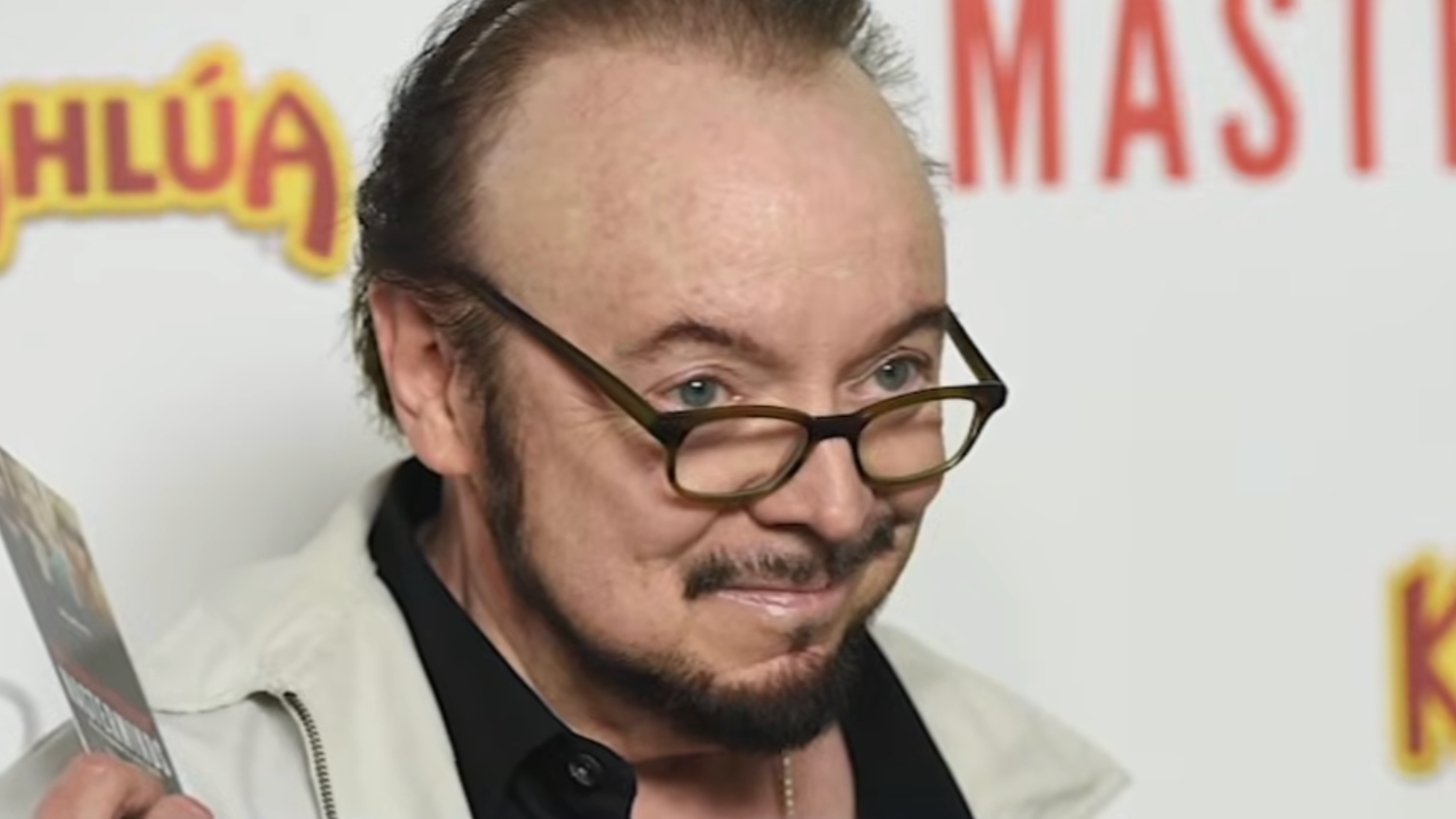
Bud Cort, the American actor best known for his unforgettable role in the cult classic Harold and Maude, has died aged 77. News of his death has prompted an outpouring of tributes from filmmakers, fans and fellow actors, many of whom credited him with bringing a rare mix of vulnerability and dark humour to the screen.
Cort’s passing was confirmed by writer and producer Dorian Hannaway, a close friend, who said the actor died after a ‘long illness’, according to reporting from the BBC. While the specific medical cause of death has not been publicly disclosed, the description suggests he had been unwell for some time.
His death marks the end of a career that spanned more than five decades and left a lasting mark on American film history, especially among audiences drawn to unconventional storytelling.
A Cult Film Icon Through ‘Harold and Maude’
Bud Cort became a defining face of 1970s counterculture cinema thanks to his starring role as Harold Chasen in Harold and Maude (1971). The film follows a young man obsessed with death who unexpectedly forms a romantic connection with Maude, a much older woman played by Ruth Gordon.
Although the film initially struggled commercially, it later developed a devoted following, becoming one of the most beloved cult classics of its era. Cort’s performance, marked by restraint and emotional depth, helped cement the movie’s reputation as a dark comedy with surprising warmth.
Director Edgar Wright was among those paying tribute, calling Cort a ‘magnetic presence’ and praising the impact of his work in the film. Over time, Harold’s blank stares and quiet awkwardness became iconic for generations of viewers who discovered the movie long after its release.
That role earned Cort nominations for both a Golden Globe and a BAFTA, establishing him as a standout talent during the New Hollywood period.
Career Highlights Across Film and Television
While Harold and Maude remained his most famous work, Cort’s career extended far beyond one defining performance. He appeared in more than 80 films and television series, often taking on distinctive supporting roles that made him instantly recognisable.
He worked steadily through the decades, appearing in projects such as Brewster McCloud, Heat, Dogma, and Invaders from Mars. He also featured in Wes Anderson’s The Life Aquatic with Steve Zissou, adding his signature offbeat energy to the director’s ensemble style.
On television, Cort made appearances in popular series including Arrested Development, Ugly Betty and Criminal Minds. He also contributed voice work, including roles in animated superhero projects tied to DC Comics.
Rather than chasing blockbuster stardom, Cort built a reputation as a character actor with an unusual screen presence. His performances often carried an understated intensity, which made him a favourite among directors drawn to unconventional casting.
Even in smaller roles, he brought something memorable, which is why his death has resonated so strongly across film communities.
Net Worth, Legacy and Tributes After His Death
In the wake of Cort’s passing, many fans have revisited questions about his life beyond the screen, including his financial legacy. However, Bud Cort’s net worth was never officially confirmed through major business or financial publications.
Various online celebrity wealth sites have offered estimates over the years, but no verified figure has been reported by outlets such as Forbes or Bloomberg. Cort’s career earnings were likely shaped by consistent work across decades rather than the massive paydays associated with franchise leads.
Still, his true legacy has little to do with wealth. Cort’s impact comes from the way he helped define a specific kind of American cinema, one that embraced strange humour, emotional honesty and characters who did not fit traditional moulds.
Following news of his death, tributes poured in from across Hollywood, with many describing him as a singular performer whose work continues to hold up for modern audiences.
For fans of Harold and Maude and the many films that followed, Bud Cort remains a symbol of a filmmaking era that valued originality above polish. His performances will continue to be rediscovered, ensuring his influence lasts well beyond his final curtain call.
Originally published on IBTimes UK