


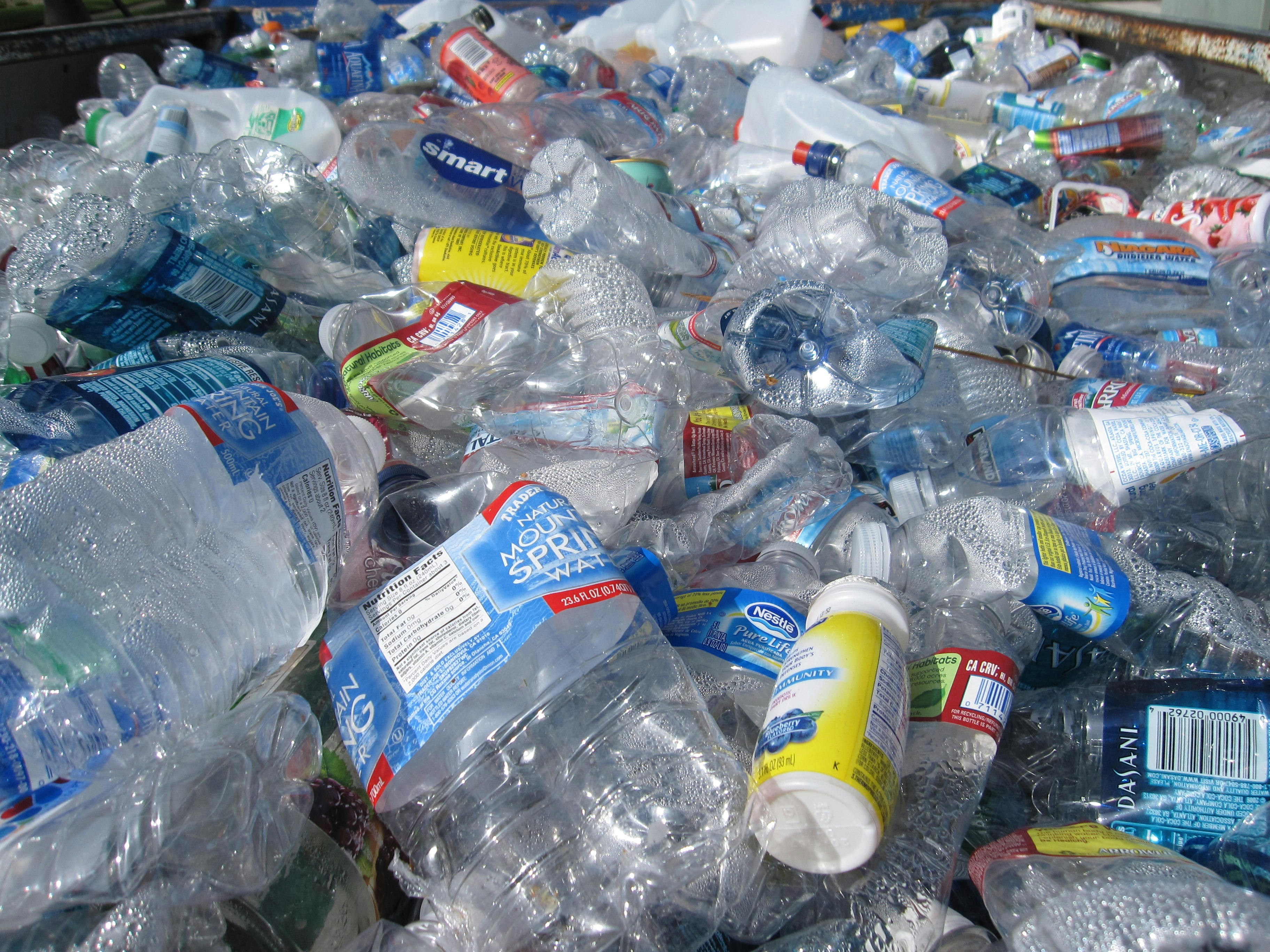
Plastic recycling has long promised a solution to mounting waste, yet reality tells a harsher story. Despite decades of collection programs and consumer awareness, only a small fraction of discarded plastic ever returns as usable material. The rest degrades, contaminates other waste streams, or ends up buried, burned, or drifting through ecosystems.
Recent breakthroughs in waste science and environmental chemistry are changing that outlook. Instead of repeatedly melting plastic into lower-quality products, researchers are finding ways to return polymers to their original building blocks. These advances suggest that plastic recycling may finally move beyond partial fixes toward systems that genuinely close the loop.
Plastic Recycling Limits: Why Full Recycling Remains Elusive
Plastic recycling faces fundamental limits rooted in material complexity. Modern products use hundreds of plastic formulations, each engineered for specific strength, flexibility, or heat resistance. From a waste science perspective, this diversity makes large-scale sorting extremely inefficient, especially when products combine multiple resins in a single package.
Environmental chemistry explains another barrier: mechanical recycling weakens plastics at the molecular level. Heat and friction shorten polymer chains, reducing durability with every cycle. Additives such as pigments, stabilizers, and flame retardants further complicate recovery, often forcing recyclers to blend materials into low-grade outputs instead of true replacements.
Economic pressure reinforces these challenges. Virgin plastic remains cheap and consistent, while recycled material fluctuates in quality and cost. Without strong incentives or regulation, plastic recycling systems struggle to compete, leaving full circular reuse out of reach for most products.
Recyclable Plastics: What Works and What Fails Today
Not all plastics behave the same in recycling streams. Waste science consistently shows that PET and HDPE perform best under current systems. PET bottles can be remade into fibers or containers, while HDPE maintains strength across multiple uses when contamination is low.
Environmental chemistry reveals why other plastics fall short. PVC releases harmful compounds when heated, polystyrene fractures easily, and polypropylene softens unevenly. Thin films and multilayer packaging evade sorting equipment entirely, making them frequent landfill candidates despite recycling symbols on labels.
New technologies help narrow this gap. Optical scanners and AI-driven sorting identify resin types more accurately, reducing cross-contamination. Still, plastic recycling remains constrained by design choices made long before a product reaches a bin, highlighting the need for upstream solutions.
Chemical and Material Innovations Redefining Plastic Recycling
Plastic recycling is shifting from damage control to true regeneration as chemistry and material design evolve together. Instead of forcing old systems to handle complex waste, waste science and environmental chemistry now reshape plastics at the molecular level. These advances aim to eliminate quality loss while making recycling simpler, cleaner, and more scalable.
- Chemical recycling for infinite reuse: Chemical recycling breaks plastics into basic molecular building blocks, allowing them to be rebuilt repeatedly without degrading performance or strength.
- Enzyme-based depolymerization: Engineered enzymes can digest PET at low temperatures, producing high-purity monomers suitable for food-grade plastic recycling.
- Solvent-based dissolution techniques: Selective solvents extract pure polymers from mixed or contaminated waste, bypassing food residue, dyes, and additives.
- Controlled depolymerization methods: Precision chemistry separates polymers cleanly, redefining plastic recycling as a regenerative process rather than downcycling.
- Advanced circular plastic materials: New polymer classes like vitrimers are designed to disassemble on command when exposed to heat or specific chemicals.
- Recycling-compatible material design: Plastics engineered within compatible chemical families reduce sorting complexity and increase recycling efficiency.
- End-of-life–focused product development: Designing plastics with recycling in mind shifts responsibility upstream, turning materials into active partners in circular waste systems.
Technology and Biology Driving the Next Phase of Plastic Recycling
Plastic recycling is entering a new phase where biology and digital systems work together to solve long-standing limits. Instead of relying on a single solution, researchers now combine enzymes, artificial intelligence, and smarter infrastructure to improve efficiency and scale. This integrated approach from waste science and environmental chemistry reshapes how plastics are sorted, broken down, and reused.
- Biological enzymes in plastic recycling: Microbes and engineered enzymes are being developed to break down plastics at the molecular level, including hard-to-recycle materials like polyethylene, without degrading quality.
- Low-energy environmental chemistry processes: Biological recycling operates under mild temperatures and pressures, reducing emissions, energy use, and safety risks compared to traditional methods.
- Decentralized recycling potential: Small-scale bioreactors allow local plastic recycling, cutting transport emissions and expanding access in regions without large facilities.
- AI-powered sorting infrastructure: Machine learning systems identify resin types, colors, and contamination in real time, dramatically improving sorting accuracy and recovery rates.
- Smart recycling plants: Automated facilities adjust chemical conditions based on incoming waste quality, maximizing output while minimizing energy and material loss.
- Policy and investment support: Recycled content mandates and producer responsibility laws help scale these technologies, making advanced plastic recycling economically viable.
The Path Forward for Plastic Recycling Systems
Plastic recycling is shifting from a linear patchwork to a circular strategy. Waste science now treats recycling as part of a broader materials ecosystem, not a standalone fix. Reducing unnecessary plastic, standardizing materials, and improving collection remain essential.
Environmental chemistry continues to unlock methods that make full recycling technically possible. The remaining question centers on speed and scale. Can these breakthroughs deploy fast enough to offset rising plastic production?
The answer depends on coordination between science, industry, and policy. When aligned, plastic recycling may finally fulfill its promise as a genuine solution rather than a symbolic gesture.
A Circular Future for Plastic Recycling
Plastic recycling stands at a crossroads between old limitations and new possibilities. Breakthroughs in waste science and environmental chemistry show that full recycling is no longer a theoretical goal but a technical one. Enzymes, advanced polymers, and AI-driven systems are reshaping how plastics move through the economy.
The challenge now lies in adoption. Scaling these solutions requires investment, regulation, and redesigning products from the start. If those pieces align, plastic recycling could evolve into a truly circular system that reduces waste, conserves resources, and reshapes how society uses plastic.
Frequently Asked Questions
1. Can plastic really be recycled infinitely?
Traditional plastic recycling cannot recycle materials infinitely because polymers degrade with heat and friction. Chemical recycling changes this by breaking plastics into original molecules. These molecules can be rebuilt without quality loss. In theory, this allows unlimited reuse if systems are properly managed.
2. Why is plastic recycling so low worldwide?
Low recycling rates stem from mixed materials, contamination, and weak infrastructure. Many plastics are cheaper to replace than recycle. Collection systems also vary widely between regions. Without strong incentives, recycling remains inconsistent.
3. Is chemical recycling better for the environment?
Chemical recycling can reduce waste and emissions when powered by clean energy. It handles contaminated plastics that mechanical recycling cannot. However, some methods are energy-intensive. Environmental benefits depend on process design and scale.
4. Will plastic recycling solve plastic pollution completely?
Recycling alone cannot solve plastic pollution. Reducing single-use plastics and redesigning products are equally important. Recycling works best as part of a broader waste reduction strategy. Together, these approaches offer the strongest path forward.
Originally published on Science Times
