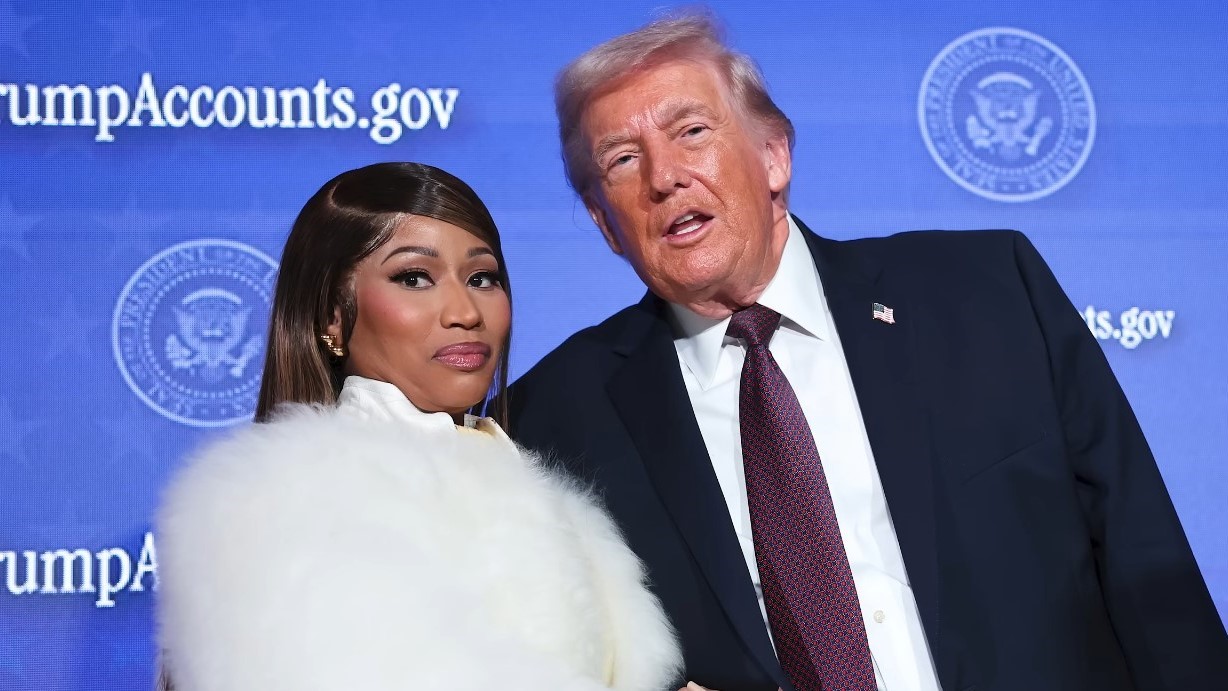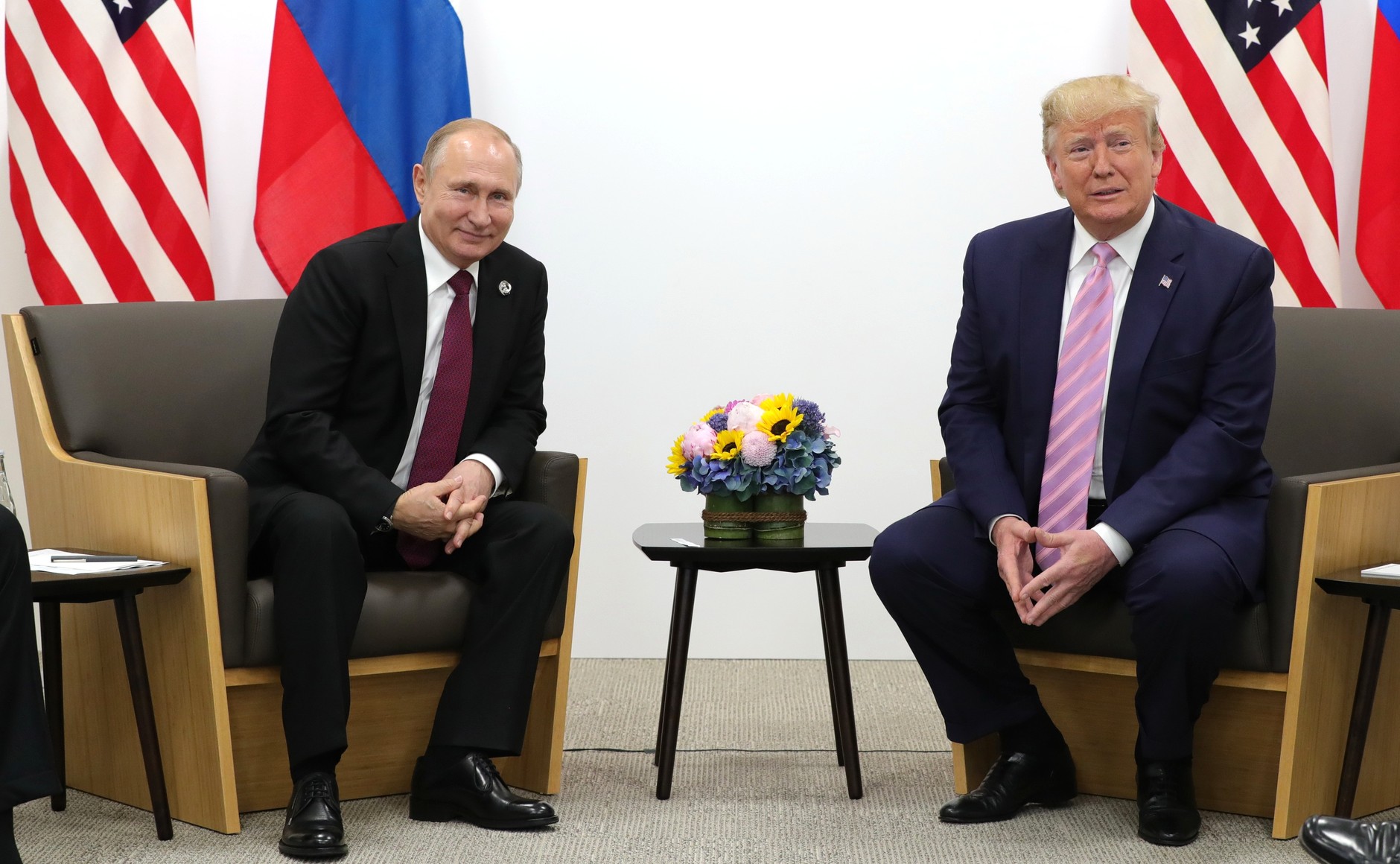
President Donald Trump has signed an executive order declaring a national emergency related to Communist Cuba, signalling potential tariffs on countries that continue supplying oil to the island. The move, framed by allies as part of a renewed ‘Trump Doctrine’, aims to tighten economic pressure on Havana at a moment when its energy crisis is already worsening.
🚨 BREAKING: President Trump signs executive order declaring a NATIONAL EMERGENCY regarding Communist CUBA and prepares tariffs on countries supplying them oil
TRUMP DOCTRINE TIME. 🔥
Venezuela was first, Cuba is next. pic.twitter.com/5FetZSivDt
— Eric Daugherty (@EricLDaugh) January 29, 2026
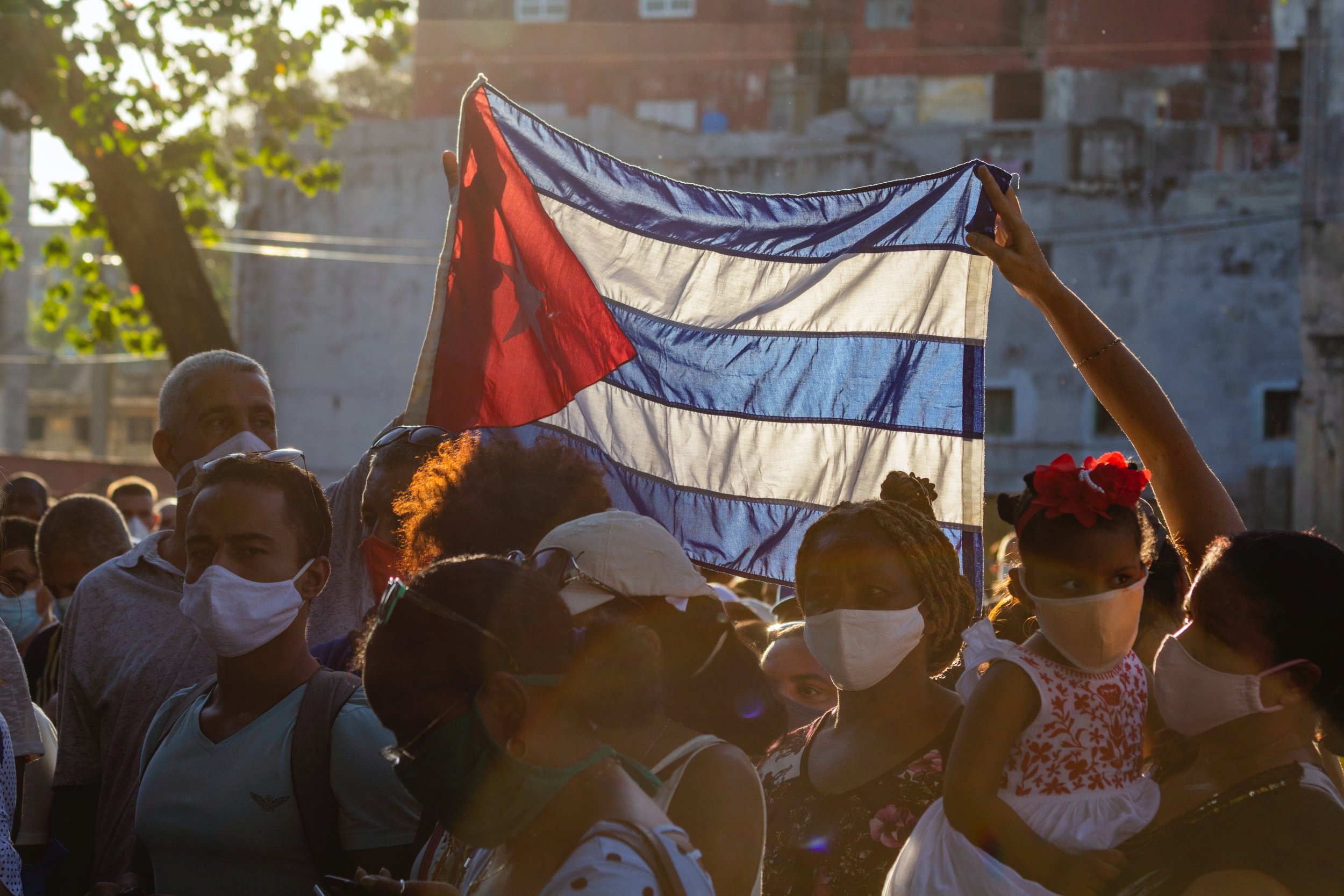
Supporters see it as a decisive move, while critics warn it could escalate tensions in an already fragile region. On the streets of Havana, the effects feel far more personal: fuel trucks sit idle outside refineries, cars queue for hours, streetlights flicker off after sunset, and entire neighbourhoods go dark without warning. For ordinary Cubans, geopolitics has become a daily inconvenience.
In response, Cuban officials speak of resistance and organise defence drills. Soldiers appear on state television, and civilians are trained for emergencies. The message is clear: prepare for hard times. Since Venezuela, Cuba‘s main oil supplier, was cut off, the situation has worsened. Without steady fuel supplies, daily life slows, as does the military. This is where talk of war becomes more complex. Because before any shots are fired, the numbers already tell a compelling story.
Oil as the Hidden Weapon
Fuel is essential for modern military operations, with jets needing aviation fuel, ships diesel, and tanks requiring continuous supplies.
Cuba produces around 30,000–34,000 barrels of crude oil daily but consumes about 110,000–115,000, relying heavily on imports. This creates a critical mobility gap that would be exposed if imports stopped. In contrast, the US produces about 20–21 million barrels daily and has some of the world’s largest proven oil reserves, ensuring strong energy security.
This energy dependence gives Washington a significant strategic edge, with far greater endurance if tensions rise.
Manpower and Budgets
Cuba’s population is about 11 million, while the US has around 333–340 million, affecting recruitment, logistics, and military capacity. Cuba has roughly 40,000–50,000 active personnel and tens of thousands of reservists. The US maintains about 1.3 million active troops and roughly 800,000 reservists.
In defense budgets, the gap is even starker. Cuba’s military spending is believed to be under $1 billion, while the US spends about $850–900 billion annually—the highest in the world. This allows the US to maintain better-trained personnel, modern equipment, and global power projection.
Air Power Comparison
Air superiority plays a crucial role in swift conflict resolution. Cuba’s air force operates around 30–40 aircraft, including a limited number of ageing fighters and helicopters, many dating back decades. The fleet lacks aerial refuelling assets or large reconnaissance platforms. Much of Cuba’s aviation is outdated.
The US, on the other hand, operates over 13,000 military aircraft across all services. In the event of a significant air conflict, the US would likely utilise overwhelming force to establish dominance early on.
Land Forces and Armour
Cuba’s ground forces mainly rely on Soviet-era hardware, with roughly 100–150 tanks, a few thousand armoured vehicles, and limited artillery, much of it decades old. The US Army fields approximately 4,500–4,700 tanks and tens of thousands of armoured vehicles, supported by advanced artillery and missile systems. Beyond sheer numbers, there are substantial differences in training, satellite support, and precision weaponry.
If a conventional ground battle were to occur, these disparities would be stark from the outset.
Naval Reach
Geography is pivotal for island nations. Cuba’s navy operates fewer than 20 patrol ships and coastal defence vessels, with no submarines or aircraft carriers. Its fleet consists of patrol boats and coastal defence craft. In contrast, the US Navy has approximately 450–470 ships, including 11 aircraft carriers, dozens of submarines, and a vast array of destroyers and cruisers. The US possesses a significant capacity to project power well beyond its shores.
Ultimately, control of the waters around Cuba would very likely fall to the United States.
Havana’s Alternative Strategy
Yet Cuba does not envisage conflict with superpower intensity. Its doctrine focuses on defence in depth. The country maintains a large territorial militia capable of mobilising hundreds of thousands of civilians in an emergency. Its strategy involves guerrilla tactics and leveraging local knowledge to stretch any opponent and increase the costs of invasion, acting as a deterrent rather than seeking outright victory.
The Human Cost
Nevertheless, it is ordinary Cubans who bear the brunt of these tensions. Doctors wait weeks for petrol. Shop shelves become increasingly empty. Internet disruptions hamper daily life. For many, the fear is not invasion but simply making it through the week.
The military comparison highlights one clear truth: the US holds overwhelming conventional strength, while Cuba depends on resilience and unity. The stark imbalance suggests that any conflict would be swift and painful. Diplomacy, though slow, remains the safer and more pragmatic route for both sides.
Originally published on IBTimes UK