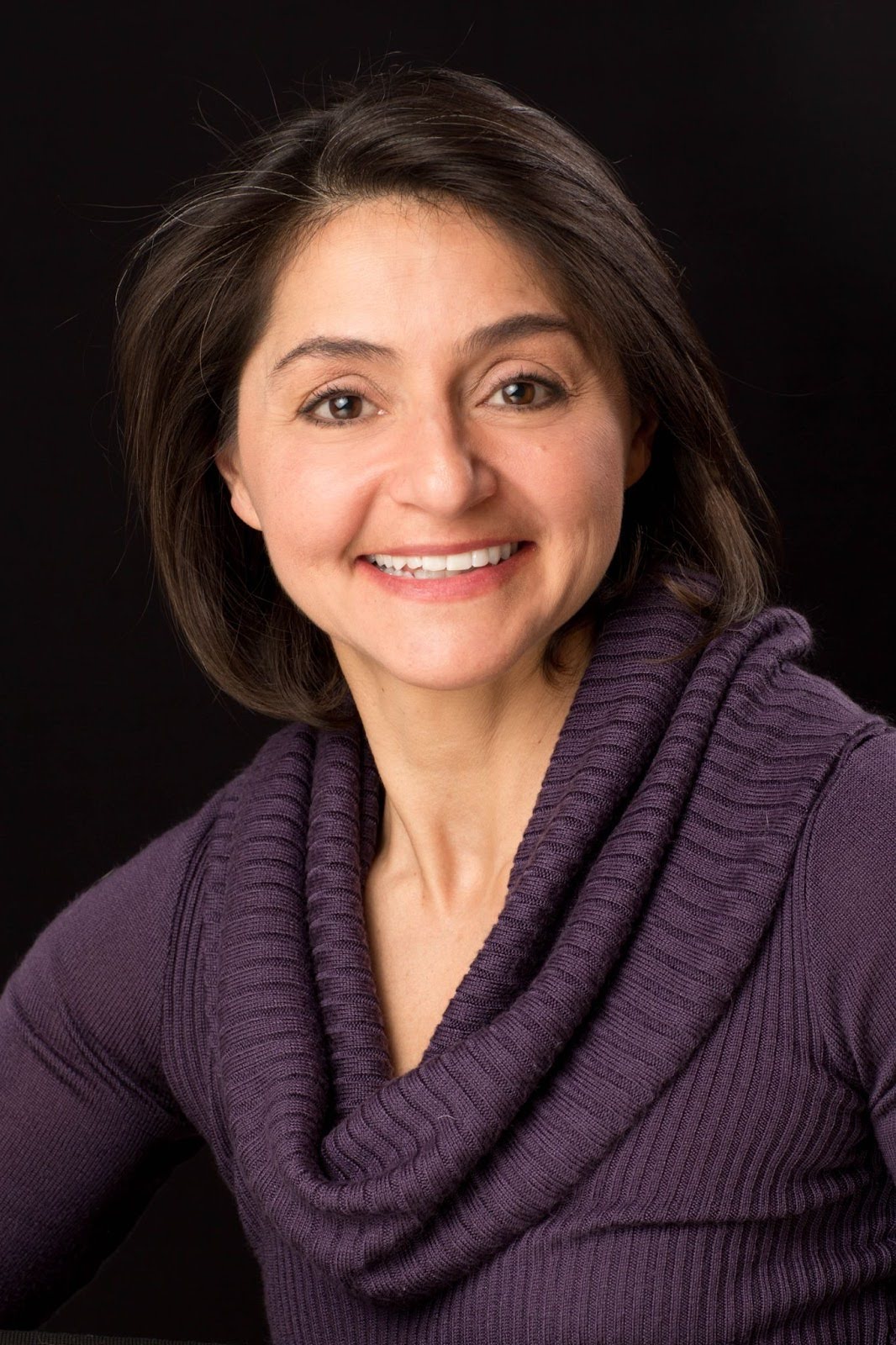
Dr. Laleh Talebian, a former clinical research scientist turned founder and CEO of Dynamic Natural Advantage (DNA), is building a rebellion in the world of chronic disease care. She has built a methodology that challenges the pharmaceutical default and reframes food as a therapeutic instrument grounded in molecular science.
Dr. Laleh’s life began under the shadow of survival and domestic entrapment. Born in Iran despite her mother’s attempts to terminate the pregnancy, Dr. Laleh found strength in the guidance of her father, who instilled in her the values of education and fearlessness before his untimely passing from cancer. Despite being told that a scientific career was unattainable for a woman and enduring a tumultuous relationship, her stubborn determination led her to earn a Bachelor’s in genetics and a Ph.D. in molecular biology.
After years in the realm of clinical trials and peer-reviewed research, Dr. Laleh experienced a professional shift in clarity, moving her focus from reactive treatment to preventative health. “I was a trained research scientist conducting clinical trials,” Dr. Laleh explains. “But I learned that drugs are harming people more than healing them. That realization changed the course of my career.”
Transitioning into nutritional and functional healing, she now advocates for her philosophy that the vast majority of chronic diseases can be managed or prevented through lifestyle and diet. Her departure from traditional academic medicine was followed by repeated attempts to integrate nutritional therapeutics into clinical research settings, where she encountered resistance and funding barriers.
In 2010, she began developing her own framework while working full-time as a clinical research scientist. She quickly found resonance after she offered a talk at a local gym. “I had clients signing up right away,” she says, signaling a demand that extended well beyond oncology, her original focus. In 2018, she left academia to lead DNA full-time. “It was scary at first. I was not a businesswoman. I was a scientist. But it was the best decision I’ve ever made. I never looked back,” she says.
Dr. Laleh’s methodology, which she calls the Precision Empowerment Pathway, adapts the logic of targeted pharmaceutical therapy while replacing synthetic compounds with nutritional interventions. “In oncology, clinicians often target specific genetic mutations with precision pharmaceuticals,” she says. “I apply that same analytical system to food and botanical compounds.” In essence, she leverages food and categorizes it into personalized plans curated to specific medical ailments.
She explains, “I look at disease markers, genetic attributes, epigenetic factors, then target those pathways with food, herbs, and natural remedies, often in conjunction with synthetic drugs.”
Furthermore, her approach is centered on standardization. Drawing from her medical background, she notes how clinical trials group patients by diagnosis and apply uniform treatment protocols. “In my practice, every single person receives a different plan,” she notes. “Not one protocol is the same.”
Nineteen percent of adults in the United States use natural products, including functional foods and animal-based products for health reasons, underscoring the demand for patients seeking alternatives. This demand, Dr. Laleh believes, is driven by the fact that an estimated 194 million people in the US have at least one major chronic disease, such as heart disease, stroke, cancer, and diabetes.
Dr. Laleh believes many of these conditions are not inevitable. “In my mind, about 85 percent of chronic conditions, including cancer, are preventable or manageable with what you eat, how you think, and how you move,” she says.
Her client journey begins with data. She analyzes existing laboratory work, identifies gaps, and often funds additional testing herself to bypass insurance barriers. A multigenerational health history informs her understanding of inherited risk patterns. Epigenetic factors such as stress exposure, sleep patterns, and environmental toxins receive equal scrutiny. Following this, she draws a detailed dietary log to get behavioral context.
From there, she designs a phased protocol lasting nine to twelve months. Each client, she notes, receives a customized supplement formulation consolidated into a single bottle, which is intended to undergo rigorous safety checks against current medications. “People can order anything online. A supplement that is beneficial for one person can be harmful for another if it interacts with their medication,” she explains.
A structured home detox forms another pillar of the pathway. Clients have to eliminate environmental toxins from kitchens and living spaces, replacing them with non-toxic alternatives. Additionally, Dr. Laleh also tailors nutritional plans to geography as well as biology. “A client in rural France receives a different sourcing guide than one in California. Every recommended food comes with a written explanation linking it to specific biomarkers or therapeutic goals,” she explains.
According to her, trust in healthcare institutions has fluctuated in recent years, particularly after the pandemic intensified public scrutiny of medical guidance. In her view, patients today increasingly seek practitioners who educate them. “I translate medical jargon into language people can understand,” Dr. Laleh explains. “They deserve to know what is happening in their bodies so they can make informed decisions.”
Accessibility and accountability reinforce that ethos, as she remains available to clients daily through text or email. Virtual consultations allow her to work with patients across North America and Europe.
Ultimately, DNA positions nutrition as a biologically targeted intervention that rejects the notions of wellness fads and lifestyle trends. Driven by her grounded approach, Dr. Laleh Talebian offers a scientific reassessment, one that insists precision belongs not only in pharmaceuticals but also on the plate. “Food is something we all engage with every day,” she remarks. “Why not use it intentionally?”