In a binding referendum held in August, Ecuadorian voters decided to ban the future extraction of oil in a large section of the Yasuní National Park, the country’s most ecologically diverse region home to an estimated 20% of the country’s fossil fuel reserves.
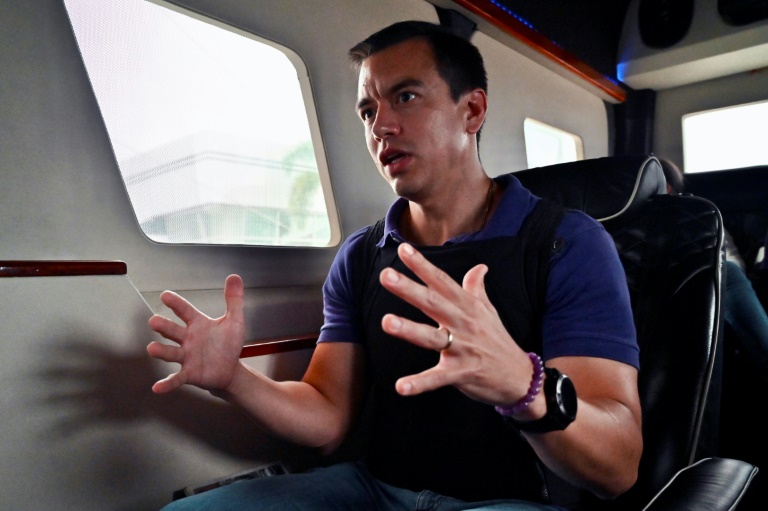
The national referendum was held in conjunction with the first round of Ecuador’s snap presidential election; it passed by a margin of 59% to 41%. The presidential runoff election, held in October, saw 35 year old businessman Daniel Noboa defeat Luisa González, leftist political heir to exiled former president Rafael Correa, by a margin of 52% to 48%.
Noboa will serve as president at least until early 2025, the remaining term of current President Guillermo Lasso, who in May invoked a constitutional provision that simultaneously vacated the presidency and dissolved every seat of the National Assembly amid an impeachment inquiry into the administration’s alleged ties to organized crime groups.
President-elect Noboa has pledged to honor the results of the referendum to ban oil extraction in Block 43 of Yasuní National Park. When his administration assumes power on Dec. 1, it will inherit an economy undergoing an intentional transition away from fossil fuels, as existing operations in Block 43 wind down their operations over a 1.5-year period.
AFP
Fossil fuels are a critical contributor to Ecuador’s economy, with crude oil and related products accounting for over 36% of total exports in 2022. Current oil production from Block 43 contributes $1.2 billion annually to the federal budget, according to government sources, equal to around 3% of annual state spending.
As Ecuador experiences a period of unusual internal instability—marked by soaring homicide rates, multiple high-profile political assassinations and increased international organized crime activity—experts question whether the country’s new president can follow through on immediately implementing the Yasuní referendum decision.
Scaling Back Oil During Crisis
The decision to partially ban oil extraction in Yasuní was heralded as a win by Ecuador’s active environmental conservation movement. Yet experts have warned that the referendum’s impact will be limited as the new government attempts to manage its ongoing security crisis.
AFP / Rodrigo BUENDIA
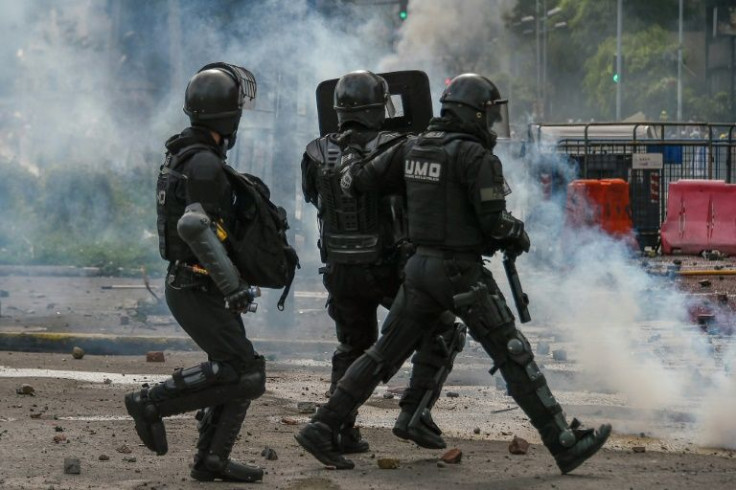
Ecuador’s most pressing national issue is not energy, but security: The country’s homicide rate quadrupled from 2018 to 2023, largely due to a reorientation of international drug trafficking routes and the increased presence of organized crime groups.
Security policy was a key topic of the campaign trail; Noboa pledged to establish a new national intelligence agency and overhaul the nation’s prison system as part of his security strategy, each of which would require increased state appropriations and approval from the National Assembly.
Noboa has already indicated that security reforms will take precedence in his first months in office, and those endeavors are poised to occupy the majority of a busy legislative agenda. “He has laid out a mix of ideas, some reasonable, others—like prison ships—more fantastical, that are far too ambitious for the time or legislative support he will have. He needs to focus on the basics,” Will Freeman, fellow for Latin America Studies at the Council on Foreign Relations told InSight Crime.
Adding to the factors preventing the effective implementation of the Yasuní referendum: Noboa will face significant legislative opposition upon taking office (his party won only 14 of 137 seats in Ecuador’s unicameral National Assembly), which will further limit the political capital available for undergoing energy reforms designed to help the country transition away from its dependence on oil.
Limited political capital for the new president and security concerns will likely block a comprehensive shift in energy policy, at least for the immediate future. Alejandro Arreaza, Andean economist at Barclays told Americas Quarterly in October that “a delay in implementation [of the Yasuní Block 43 oil ban] seems likely considering the logistical and financial challenges involved,” suggesting that Noboa may be unable to instate a new energy strategy before the next scheduled presidential election in early 2025, and oil production in Yasuní could continue on its pre-referendum trajectory.
Ultimately, Ecuador’s decision to drastically scale down the environmental and economic footprint of its oil sector appears to have occurred at an inconvenient moment and is unlikely to seriously materialize until after 2025, according to those closely following the country. And with the referendum’s 1.5-year grace period for ending oil activities in Block 43 of Yasuní park, the possibility exists for the winner of the next presidential election to further delay or nullify the decision.
Ecuador’s coming test of post-extractivist development will ultimately play out under unique circumstances, with some challenges that may prove difficult to immediately overcome. While the result of the August Yasuní referendum represents a milestone in the pursuit of a renewable energy mix for a nation deeply dependent on oil, the tangible impact of the vote will be limited, at least for the time being.