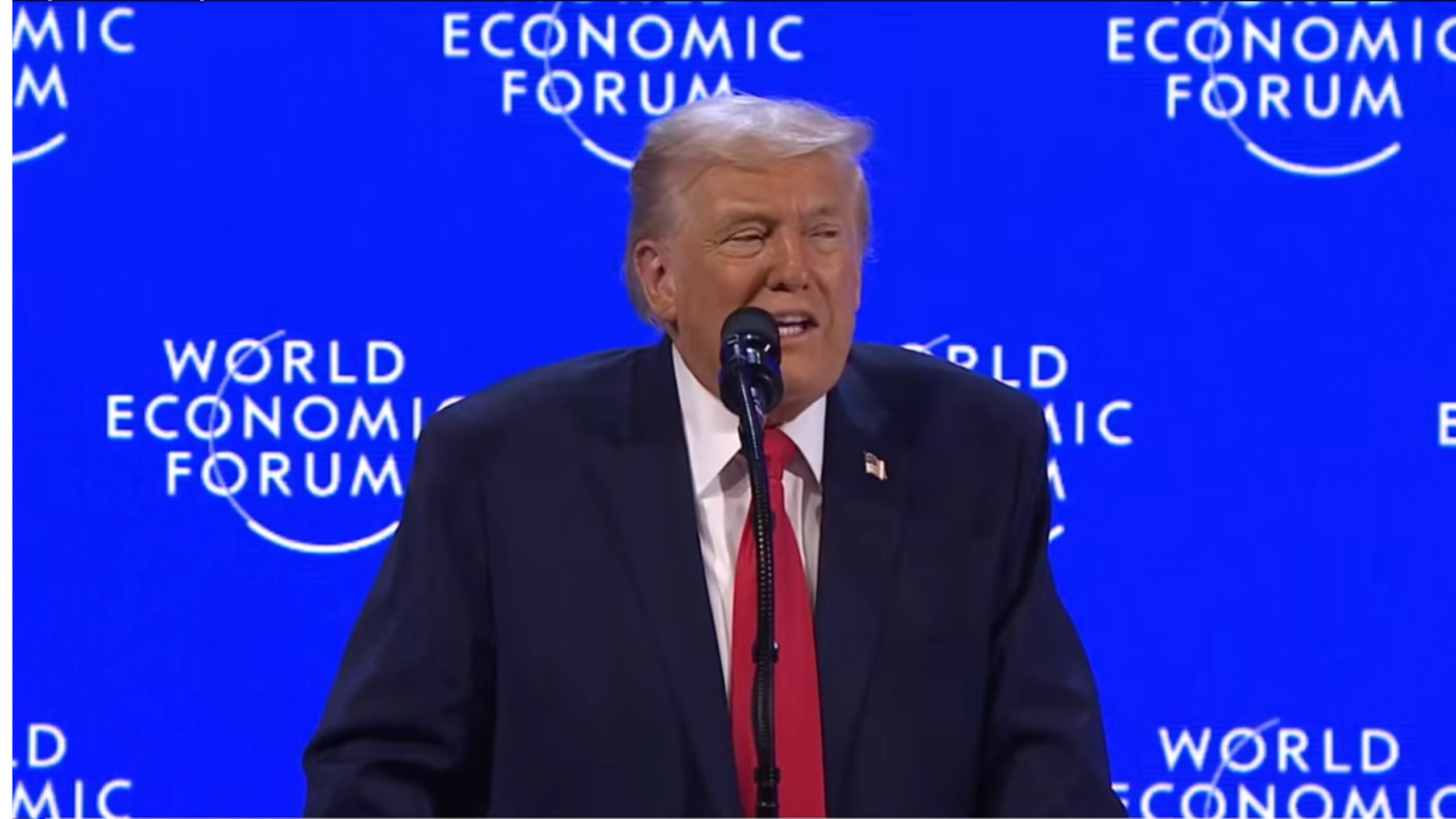
Donald Trump, who has long expressed a desire to purchase the island of Greenland, announced that he is officially ending his bid to buy the territory from Denmark. Instead, the United States has signed a new ‘strategic partnership’ with the Danish government and the local authorities in Nuuk.
While the White House is calling this a diplomatic victory, officials in Europe are reacting with extreme caution, wondering if this is truly the end of the matter or just a change in tactics.
The New Deal Instead of a Purchase
The announcement came after weeks of tense negotiations. In 2019, during his first term, Trump shocked the world by asking to buy Greenland, a semi-independent territory that is part of the Kingdom of Denmark. At the time, the Danish Prime Minister called the idea ‘absurd.’ Now, in 2026, Trump has returned to the topic but with a different approach.
On Thursday, the US and Denmark announced a new agreement. The White House stated that they are no longer seeking full ownership of the island. Instead, the US has secured rights to expand its military bases and has signed exclusive contracts for mining rare earth minerals. Trump touted the deal as ‘better than buying’, claiming it gives America all the benefits without the cost of running the island’s day-to-day government.
Europe’s Sceptical Reaction
Despite the official statements, the mood in Brussels and Copenhagen is far from celebratory. European diplomats are giving the deal ‘side-eye.’ There is a strong feeling that although the word ‘purchase’ has been taken off the table, the outcome might be very similar in practice.
The agreement grants the United States significant control over Greenland’s airports and harbours for the next 50 years. For many in Europe, this feels like the US is slowly absorbing the island, pushing European influence out of the Arctic region.
The reaction from Denmark has been polite but guarded. Danish officials have emphasised that Greenland remains part of the Kingdom, but they have also admitted that the pressure from Washington was immense. The general sentiment is that they had to give Trump something to make him stop asking for the whole island.
Why Greenland Is So Important
To understand why Europe is so worried, one must look at a map. Greenland sits in a vital spot between North America and Europe. As the ice melts due to climate change, new shipping lanes are opening up, and vast resources are becoming accessible.
The island is rich in rare earth minerals, which are used to make everything from mobile phones to electric car batteries and fighter jets. Currently, China controls much of the global supply of these minerals. The United States is desperate to secure its own supply chain, and Greenland is the answer.
By securing exclusive mining rights, Trump has effectively blocked China—and potentially European companies—from accessing these resources. This has caused frustration in the European Union, which is also trying to secure green energy resources for the future. The ‘side-eye’ from Europe comes from the realisation that while they kept the flag, they may have lost the treasure.
A History of Awkward Diplomacy
The skepticism is also rooted in history. When Trump first proposed buying Greenland in 2019, it caused a major diplomatic row. He cancelled a state visit to Denmark because the Prime Minister, Mette Frederiksen, refused to discuss the sale.
Now that he has ‘backed off,’ many Europeans believe it is a temporary strategic move. There is a fear that if the US invests billions of dollars into Greenland’s infrastructure under this new deal, the island will become American in culture and economy, even if it remains politically Danish.
The Local View From Nuuk
In Greenland itself, the reaction is mixed. The local government in Nuuk has been trying to bring more investment to the island to boost its economy and move towards independence from Denmark. The American money promised in this deal is significant. However, there is also fear among the local population about losing their culture and environment to American mining companies and military bases.
Originally published on IBTimes UK