


The creator economy has introduced new pathways for talent to build visibility, influence, and commercial opportunity. As digital platforms reshape how audiences engage with personalities, the role of representation has also evolved, moving beyond deal facilitation toward long-term brand development. Within this changing environment, agencies are increasingly expected to provide strategic guidance that supports sustainable creator growth.
For Mike Goldfarb, founder and CEO of Idols + Icons, that perspective was shaped long before the rise of influencer marketing. His early career was rooted in music, where he spent more than 15 years working as a DJ and developing emerging artists. During that time, he helped organize live showcases that brought together aspiring performers, offering them not only stage exposure but coaching and mentorship designed to refine their public presence.
“We were not just putting artists on stage,” Goldfarb explains. “We were helping them understand how to connect with audiences, how to present themselves, and how to build something that could grow beyond a single performance.”
Through this work, he began taking a more active role in artist development, supporting music catalog creation, brand positioning, and early career strategy. The model gained traction through live events and performance programming. However, when the COVID-19 pandemic halted in-person venues and touring activity, that momentum slowed significantly.
According to Goldfarb, the disruption forced a reassessment of what talent development could look like in a digital-first environment. The shift arrived unexpectedly when online creators began approaching his company, then operating under a different name, for representation. “At first, I didn’t fully understand what influencer management meant,” he says. “But I have always believed that when opportunity presents itself, you lean in and learn.”
That decision marked the foundation of what would later become Idols + Icons, a talent agency representing creators across social media platforms, including TikTok mother-daughter duo Kriss&Esme (7.4 million followers), silent review sensation Izzy Santulli (850k), and beauty expert Banda (280k). The timing of the transition coincided with broader industry expansion. The creator economy is projected to reach $480 billion in global value by 2027, reflecting accelerating brand investment and audience engagement across digital channels.
Goldfarb credits the agency’s early traction to transferable lessons from music development. In his view, while platforms had changed, the fundamentals of audience building remained consistent. “Whether you are developing a musician or a digital creator, you are still shaping a brand,” he explains. “You are thinking about identity, storytelling, and how that resonates with an audience.”
Today, Idols + Icons operates as a talent management and brand development agency, supporting creators through partnership strategy with high-end luxury brands, such as Dior, Estée Lauder, and SKIMS, platform audits, and long-term positioning initiatives. From Goldfarb’s perspective, that work often begins with understanding how creators present themselves digitally.
“We review what’s working, where engagement is strongest, and where brand alignment exists,” he says. “That guidance helps creators refine how they show up online.” Industry research suggests this structured support is increasingly relevant, as influencer partnerships now play a central role in modern marketing strategies and brands seek more direct, trust-based engagement with audiences.
Still, Goldfarb believes the next chapter of the creator economy extends beyond partnerships alone. From his perspective, creators are business entities in their own right. “The future is creators owning intellectual property, launching products, producing shows, building companies,” he says. “Brand deals are part of the equation, but they are not the endpoint.” That outlook has influenced the agency’s broader services, which include supporting podcast launches, content series production, and product development initiatives.
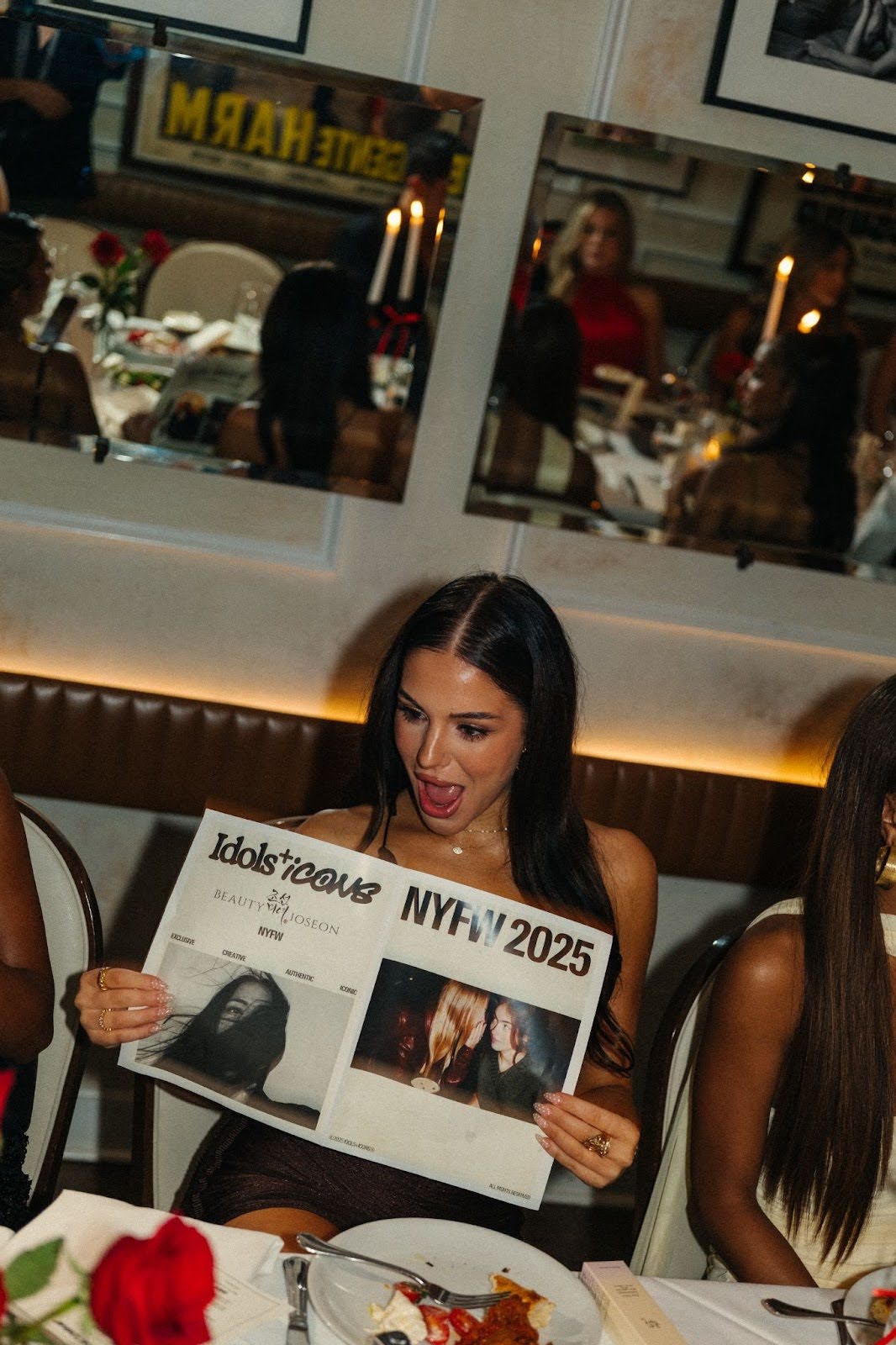
Another dimension of the model involves experiential activations, campaigns, and curated environments designed to expand creator visibility. Rather than relying solely on inbound opportunities, the agency works to create brand-aligned moments that place talent within culturally relevant spaces. “Exposure accelerates growth,” Goldfarb explains. “If the right opportunity doesn’t exist yet, sometimes you have to build the environment where it can happen.”
The company’s evolution also included a strategic rebrand from its original music-focused identity. The name Idols + Icons, according to Goldfarb, reflects a long-term view of talent development. “It speaks to what creators are working toward,” he says. “Becoming recognizable, trusted, and influential in their category.”
As the creator economy continues to scale, representation models are expected to expand alongside it, blending management, branding, production, and business strategy. For Goldfarb, that progression signals a broader shift in how talent careers are structured. “Management today is about partnership,” he says. “It’s about helping creators build brands that last, not just moments that trend.”
