Banks are hard pressed to meet regulatory guidelines and are under increased scrutiny over the quality of IPO paperwork
Published Fri, Feb 13, 2026 · 08:33 AM
[HONG KONG] Hong Kong firms are on the hunt for more bankers to lead a booming pipeline of initial public offering (IPO) deals after a years-long dry spell depleted the ranks of qualified staffers.
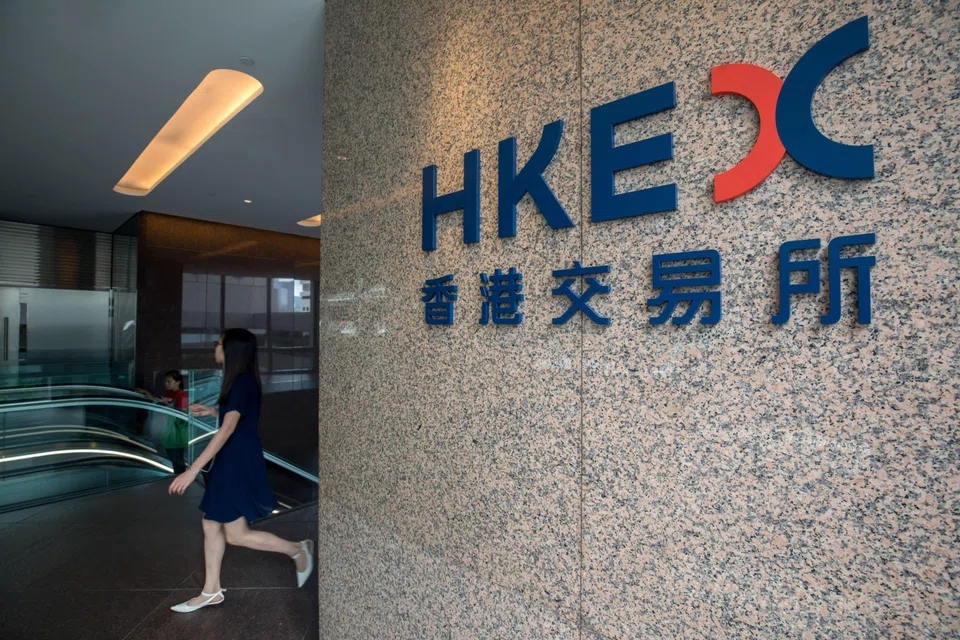
Banks are hard pressed to meet regulatory guidelines and are under increased scrutiny over the quality of IPO paperwork. The stock exchange and the Securities and Futures Commission (SFC) recently sounded the alarm to 13 investment banks that handle more than 70 per cent of the over 430 active listing applications. They highlighted the insufficient capacity among principal bankers to supervise deals, with some simultaneously helming as many as 19.
Hong Kong is in the midst of an IPO boom, with first-time share sales coming off a four-year high in 2025 and already off to the busiest-ever start of a year. But the upswing followed a dealmaking trough that lasted several years after a crackdown on the Chinese technology companies that powered a prior wave of transactions.
As a result, some banks chose to retrench and experienced bankers often looked for opportunities elsewhere. That’s made the remaining high-level dealmakers hot commodities.
“The imbalance is a bit more severe than it has been in quite a while,” said John Mullally, managing director for Hong Kong at recruitment firm Robert Walters PLC. “For the first time in a while, there’s greater demand for a certain type of talent.”
To be sure, the steep pickup in dealmaking has been a windfall for banks in the city, albeit with declining fee rates. The top five arrangers of Hong Kong IPOs last year – China International Capital, Citic Securities, Huatai Securities, GF Securities and Bank of China – were all Chinese banks and handled US$14.6 billion worth of deals, or 37 per cent of the market. It’s unclear which of them, if any, were on the list of banks singled out by regulators.
Navigate Asia in
a new global order
Get the insights delivered to your inbox.
Every Hong Kong IPO requires a “signing principal” who needs to demonstrate years of experience, substantial involvement in advising deals and have passed several exams. To qualify, a banker needs to have served as a “responsible officer” who supervises what the SFC defines as regulated activities.
Demand for taking IPO sponsor examinations surged significantly in recent weeks, with banks seeking to qualify as many workers as soon as possible, said Kevin Liem, who heads the Hong Kong Securities and Investment Institute, which organises the exams. Upcoming dates are so full that physical exam sites in Hong Kong, as well as overseas and even online ones, will remain open through the Chinese New Year holiday, he said.
The number of responsible officers – or those in line to become one – for advising on corporate finance has fallen by 90 since 2020 to 1,185 at the end of last year, the SFC said. In the intervening period, firms, including Bank of America and Morgan Stanley, axed jobs. Hong Kong currently has 445 principals, according to the commission, though how that compares to prior years is not clear.
Poaching has now become common, especially in the past four to five months, said Sid Sibal, managing director at financial-services headhunter Aster Recruiting. Sibal said that he had seen principals jump to another bank with above-the-norm pay rises of as much as 45 per cent in recent months.
“If someone is not a signing principal right now, they are not interviewing them,” Sibal said of banks seeking senior hires. This preference demonstrates the need to get on deals as soon as possible instead of waiting for the bankers to attain credentials, he added.
The SFC also decried the inexperience of broader IPO teams, on top of the principal shortage. For example, more than 40 per cent of deal team members at two banks had less than one-year of experience in Hong Kong IPOs during the 2024 to 2025 period, it said.
Banks may also face challenges in finding people internally to elevate as principals because mid-level bankers – who may have racked up enough experience – bore the brunt of layoffs during the downturn, Mullally said. “You can’t make an associate-level banker a signing principal,” he added.
The 13 banks that got warning letters have until this week to report the names and number of principals and how many active deals they are on. Expect the number of listing applications to drop in the coming months as IPO arrangers sort their staffing issues, said Ke Geng, a partner at the law firm O’Melveny & Myers.
Bankers and issuers are developing strategies to deal with the increased regulatory scrutiny, with the IPO wave showing no sign of abating. Issuers that were dropped by busy banks are looking for new sponsors to take them on. Some banks have weighed prioritising higher-profile projects.
“They have to decide whether to drop some of the deals or delay some,” Geng said. BLOOMBERG
Decoding Asia newsletter: your guide to navigating Asia in a new global order. Sign up here to get Decoding Asia newsletter. Delivered to your inbox. Free.