


![Iran IRGC Charges Ships Up To $2M To Cross Hormuz In Yuan And Crypto [VIDEO]](https://data.ibtimes.sg/en/full/86060/strait-hormuz.png?w=1200&h=630?q=60 "Iran IRGC Charges Ships Up To $2M To Cross Hormuz In Yuan And Crypto [VIDEO]")
- Iran’s IRGC charges ships up to $2 million per transit
- Payments required in Chinese yuan or cryptocurrency via intermediaries
- Strait of Hormuz traffic drops to about 150 vessels since March
- Tiered system favors select countries while restricting others’ access
Iran’s IRGC charges ships up to $2M per voyage to transit the Strait of Hormuz, demanding payment in Chinese yuan and stablecoins.
Iran is charging commercial ships up to $2 million per voyage to pass through the Strait of Hormuz. Payments must be made in Chinese yuan or cryptocurrency. The system is run by the Islamic Revolutionary Guard Corps (IRGC), Iran’s elite paramilitary force, through a network of intermediaries.
The Strait of Hormuz, a narrow waterway between Iran and Oman at the mouth of the Persian Gulf, carries roughly one-fifth of the world’s oil supply in normal times. Since March 1, only about 150 vessels have transited the strait, according to Al Jazeera, a figure that reflects how sharply traffic has contracted since Iran asserted control over the passage.
The fee structure is layered. The IRGC demands approximately $1 per barrel of crude oil for tankers, with total voyage costs reaching as high as $2 million for large tankers and cargo ships. Ships seeking transit must first submit comprehensive vessel documentation to the IRGC for review. Once approved, operators then negotiate final fees through intermediaries closely connected to the corps. According to The Standard, payments are collected in Chinese yuan or stablecoins, a category of cryptocurrency designed to maintain a fixed value, typically pegged to the U.S. dollar.
The Maritime Executive has reported that the IRGC has established a formal cryptocurrency-based payment system for Hormuz transits, a finding it rates among the most confidently sourced developments in the emerging toll architecture. Stablecoins, because they operate on decentralized blockchain networks, are difficult for U.S. Treasury sanctions enforcement to intercept in the same way wire transfers can be blocked. Iran, subject to sweeping American financial sanctions since the 1979 Islamic Revolution and tightened repeatedly since, has structured the payment system to sidestep the dollar-denominated banking infrastructure that those sanctions rely on.
Iran’s Five-Nation Tier System Reshapes Hormuz Access
Not every vessel faces the same terms. Iran has designated a small group of friendly nations whose ships receive preferential passage conditions, while vessels linked to countries Tehran considers hostile face restrictions or outright denial. According to Express, that favored group includes Russia, China, and India. Business Korea reported that Iran applies differentiated passage terms based on a country’s assessed political alignment, with allies receiving favorable conditions.
reuters
The arrangement concentrates Hormuz access among nations that have maintained economic relationships with Iran despite Western pressure. Russia and Iran have deepened energy and defense ties since the 2022 invasion of Ukraine. China is Iran’s largest oil customer. India has historically purchased Iranian crude under waiver arrangements. The tiered system, in effect, formalizes those geopolitical alignments into a maritime access regime.
Iran’s parliament has moved to codify the system domestically. The Parliament Security Committee approved a rial-based toll framework and regulatory structure for Hormuz transit, according to Outlook Business, adding a legislative layer to what began as an IRGC-administered arrangement. The rial pricing runs parallel to the yuan and crypto payment demands, which appear directed primarily at foreign operators. Iran has not issued a formal public statement reconciling the two frameworks, and no response to queries about the discrepancy was forthcoming from Iranian government representatives.
Crypto at the Chokepoint and the Petrodollar Challenge
The currency choices are not incidental. Since the 1970s, global oil trade has been settled almost exclusively in U.S. dollars, a convention that gives Washington structural leverage over energy markets and underpins the dollar’s status as the world’s reserve currency. By mandating yuan and stablecoin payments for Hormuz transits, Iran is routing energy-adjacent revenue entirely outside that system. National Today reported that Tehran’s yuan payment requirement constitutes a direct challenge to the petrodollar framework that has anchored American financial influence since the Nixon era.
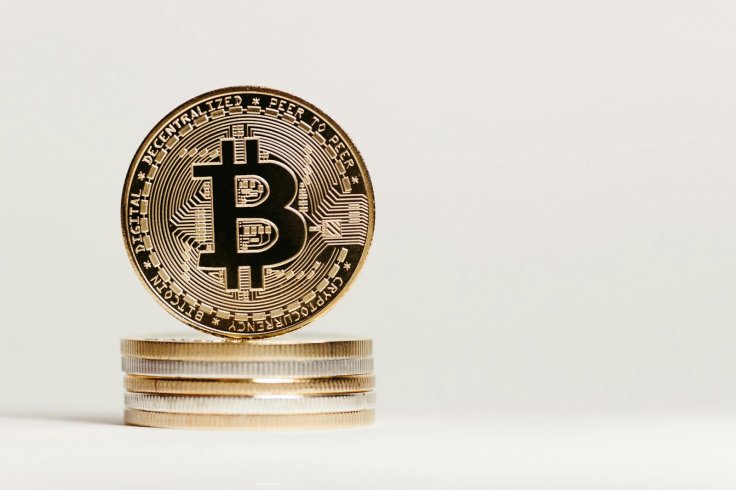
The stablecoin component adds a further dimension. Unlike yuan transfers, which still pass through Chinese banking infrastructure and carry some exposure to secondary sanctions, stablecoin transactions on public blockchains require no correspondent bank and leave no counterparty exposed to U.S. jurisdiction in the traditional sense. The IRGC’s adoption of this mechanism for a strategic chokepoint marks a notable operational shift for a military organization more commonly associated with gunboats and proxy forces than digital asset wallets.
Iran’s toll intermediaries manage the negotiation layer between IRGC approval and final payment. Shipping companies, once they receive clearance, deal with those intermediaries rather than directly with corps officers, creating a commercial buffer that provides plausible deniability for the transaction chain. The fee amounts, the currency requirements, and the documentation thresholds have not been published by any Iranian official body, and the figures cited by multiple outlets could not be independently verified from a second Iranian government source.
Trump’s Silence and the Strategic Calculation
The U.S. military posture toward the Hormuz toll system has drawn attention in Washington’s maritime policy circles. Maritime Executive reported that President Donald Trump has discussed withdrawing from the regional conflict without conditioning any exit on forcing the strait’s reopening, a position that would effectively accept Iranian administrative control of the passage. That report carries a confidence rating of 78%, the lowest in this package, and the White House had not issued a formal public response to the characterization at the time of publication.
If the reported posture holds, it would represent a significant departure from decades of U.S. policy treating Hormuz freedom of navigation as a non-negotiable national interest. The U.S. Navy’s Fifth Fleet, headquartered in Bahrain and responsible for Gulf security, has not publicly commented on the toll system or the IRGC’s cryptocurrency payment infrastructure.
For American shipping companies and the U.S. refiners that depend on Gulf crude, the practical stakes are direct. A $2 million transit fee layered onto a single tanker voyage raises delivered oil costs and creates compliance exposure for any American-linked entity that routes payment through yuan or stablecoin channels. The Office of Foreign Assets Control (OFAC), the U.S. Treasury unit that administers sanctions, has not issued public guidance specific to Hormuz transit fees, and no U.S. company has publicly confirmed paying them.
