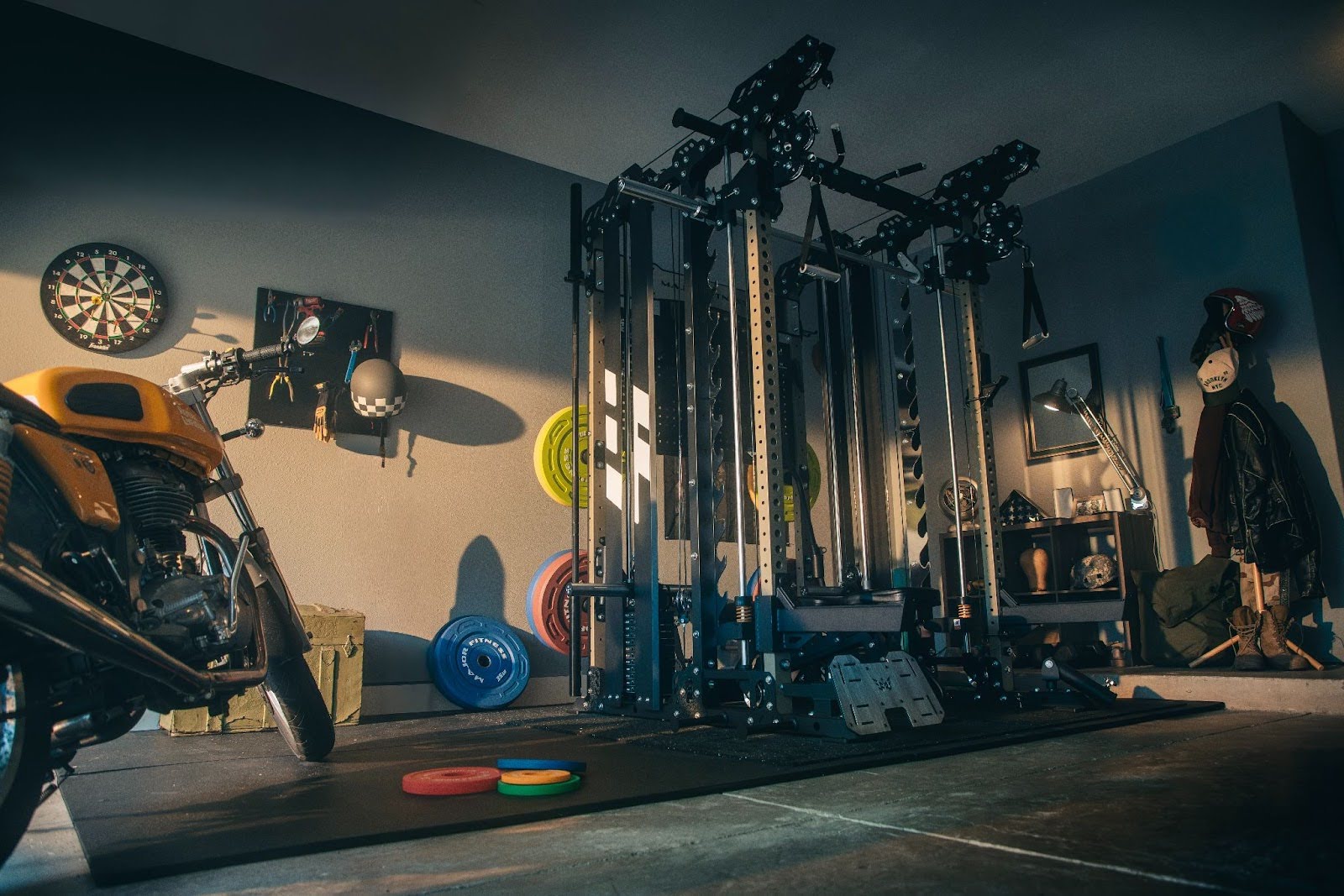
Some garages and basements are quiet witnesses to ambition. A single rack, a pair of dumbbells, maybe a cable system tucked into a corner. These spaces are where serious training meets everyday life. Major Fitness saw an opportunity to turn that ambition into a full-fledged home gym experience without asking users to sacrifice quality or space. Their vision was never just about selling equipment. It was about making professional-grade strength training accessible to people who wanted more than a hobby setup.
The shift toward hybrid, all-in-one systems reflects that philosophy. By combining racks, cables, and guided bar paths into a single, compact footprint, these systems allow users to build long-term training environments that grow with them. The focus is on creating a durable, versatile foundation that supports consistent progress, proving that investing in the right home equipment can pay off in results, convenience, and longevity.
What Lifters Are Actually Discussing Online
Online discussions offer a candid look at how lifters think about these machines. Discussions tend to be practical rather than promotional. Many users acknowledge that all-in-one systems make sense in limited spaces and can cover most training needs, particularly for people lifting at home several days a week.
In those conversations, Major Fitness often comes up as a reference point, particularly around specific models like the F22 and the Drone2. Users tend to bring them up when discussing what an integrated home setup should realistically provide, especially in limited spaces. The discussion usually centers on how much functionality these systems pack into one frame, how the cables feel under load, and how the Smith-style guided bar integrates with traditional free-weight lifts, rather than on brand loyalty or marketing claims.
Lifters recognize that all-in-one systems involve trade-offs, particularly when it comes to moving parts and long-term maintenance. The underlying question is not whether a system is perfect, but whether it is built well enough to justify committing a fixed space to it. In that context, Major Fitness is typically discussed in relation to durability, layout, and long-term use.
Major Fitness as a Case Study in the Shift
Looking at Major Fitness as a case study helps explain why the category has matured. Models like the Drone series combine a rack, Smith-style guided bar, and cable system into a single frame. The intention is clear: reduce the need for future purchases by building versatility into the core structure.
User feedback reflects that intention, but also its limits. Lifters appreciate having multiple training options in one footprint, particularly in garages where space is fixed. At the same time, experienced users note that setup and maintenance matter. Proper anchoring, regular inspection of cables, and realistic expectations about load feel are part of owning any integrated system.
The brand appeals to users who weigh space, versatility, and durability together, rather than treating them as separate trade-offs. Major Fitness sits squarely within the logic of the prosumer mindset. From this perspective, value is less about initial cost and more about avoiding replacement. Major Fitness’ systems support serious training outside traditional commercial gyms without claiming to replace them.
From Hobby to Infrastructure
The prosumer home gym signals a larger change in how people define fitness environments. Training is no longer tied to a location or membership. It is tied to personal systems built for consistency and progression. Garage gyms no longer symbolize compromise. They now reflect control, intentionality, and long-term commitment.
In 2026, the question is less about whether all-in-one home gyms are worth it in general. Equipment mirrors this shift. Training at home has moved from a temporary hobby to a stable infrastructure. Serious strength is no longer limited to gyms. It can thrive wherever the athlete chooses to build it. In this context, Major Fitness occupies a natural place in the conversation, illustrating how all-in-one systems can support long-term, thoughtful home training while addressing the trade-offs that matter most to lifters.