International Business Weekly
  • Home
  • News
  • Politics
  • Business
  • National
  • Culture
  • Lifestyle
  • Sports
No Result
View All Result
  • Home
  • News
  • Politics
  • Business
  • National
  • Culture
  • Lifestyle
  • Sports
No Result
View All Result
International Business Weekly
No Result
View All Result
Home Business

It can cost more to power a house than rent it in Pakistan

August 13, 2024
in Business
0
It can cost more to power a house than rent it in Pakistan
Share on FacebookShare on Twitter


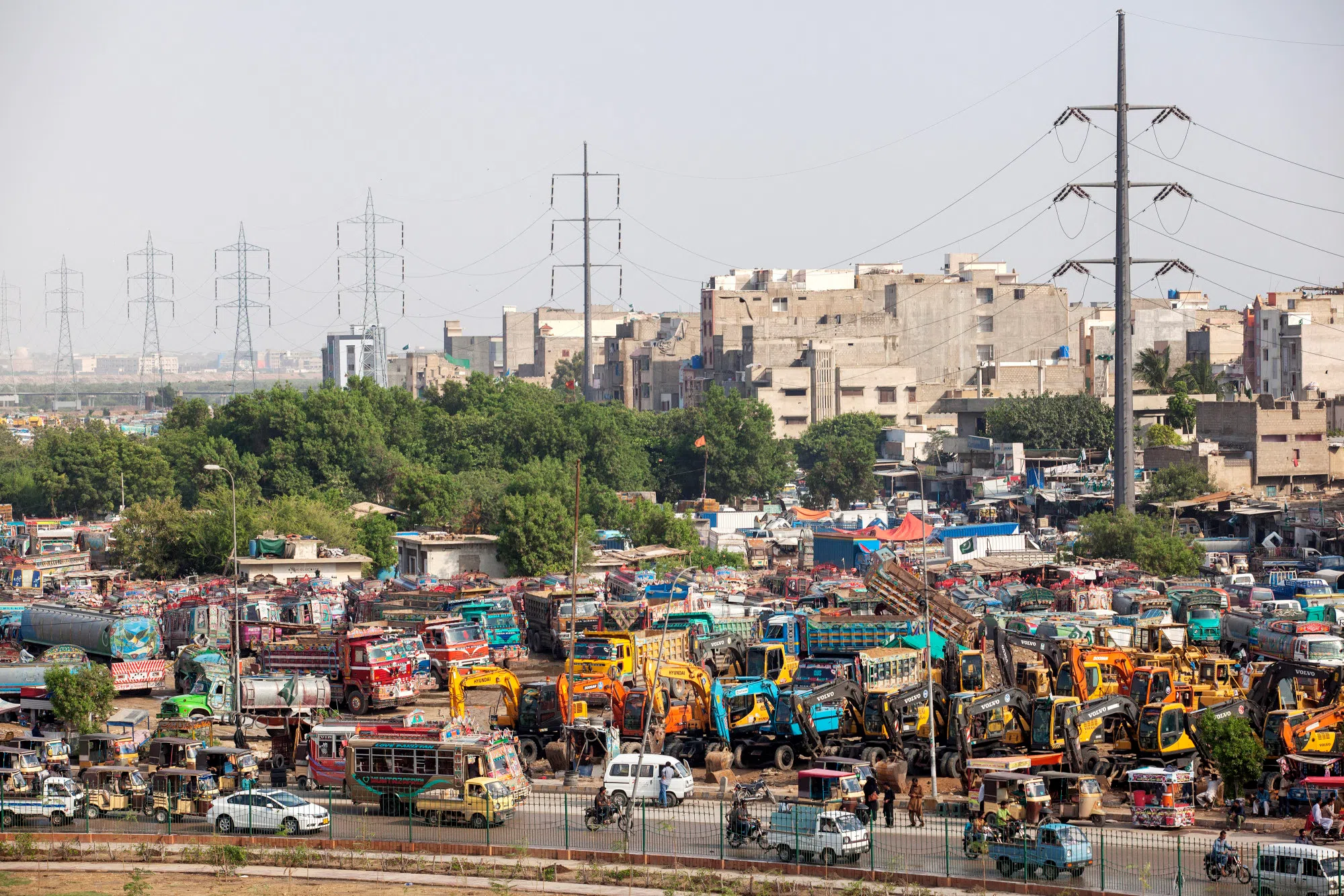
ELECTRICITY bills have outpaced home rental rates for some people in Pakistan, as tariff increases and other reforms to comply with International Monetary Fund (IMF) loan conditions spark nationwide protests.

The South Asian nation – where nearly half the population survives on less than US$4 a day – has seen electricity prices surge 155 per cent since 2021, after the government started hiking industrial and retail rates to bolster its chances of securing loans from the IMF.

The energy sector has become an acute pain point as Pakistan grapples with chronic economic crisis. Inflation of around 12 per cent – the highest in Asia – has eroded purchasing power and pushed electricity consumption to the lowest in four years as people and companies abandon the predominantly petrol-powered national grid in favour of installing solar panels.

The average per-unit electricity price for residential users rose 18 per cent in July, when the country secured a new US$7 billion loan from the IMF. Many residents have since seen electricity bills – typically a fraction of household expenses – surpass rents that range from US$100 to US$700 a month, said Samiullah Tariq, head of research at Pakistan Kuwait Investment.

Protests by citizens, business groups and opposition political parties have spread across the country, prompting Prime Minister Shehbaz Sharif to announce a 50 billion rupees (S$238 million) subsidy over the next three months to cushion the poorest electricity users from the blow of price hikes.

Pakistan and the IMF have agreed to restore energy sector viability as part of the bailout programme, which includes cost cuts and privatisation of state-owned power distribution companies. Pakistan loses about 16 per cent of the electricity it generates to theft, and transmission and distribution losses, according to its power regulator. BLOOMBERG



Source link

Tags: CostHousePakistanPowerRent
Brand Post

Brand Post

I am an editor for IBW, focusing on business and entrepreneurship. I love uncovering emerging trends and crafting stories that inspire and inform readers about innovative ventures and industry insights.

Related Posts

Wall Street opens lower as Middle East turmoil, weak jobs report weigh
Business

Wall Street opens lower as Middle East turmoil, weak jobs report weigh

March 6, 2026
Berkshire’s CEO Greg Abel vows to use all his pay to buy firm’s stock
Business

Berkshire’s CEO Greg Abel vows to use all his pay to buy firm’s stock

March 5, 2026
Aims Apac Reit to divest S million industrial property for capital recycling
Business

Aims Apac Reit to divest S$15 million industrial property for capital recycling

March 4, 2026
Next Post
ESR-Logos Reit prices S0 million perpetual capital securities at 6%

ESR-Logos Reit prices S$100 million perpetual capital securities at 6%

GM cuts China jobs as it resets in world’s biggest car market

GM cuts China jobs as it resets in world’s biggest car market

Man City’s Off-field Issues Give Rivals Hope In Premier League Title Race

Man City's Off-field Issues Give Rivals Hope In Premier League Title Race

Leave a Reply Cancel reply

Your email address will not be published. Required fields are marked *

ABOUT US

International Business Weekly is an American entertainment magazine. We cover business News & feature exclusive interviews with many notable figures

Copyright © 2026 - International Business Weekly

  • About
  • Advertise
  • Careers
  • Contact
No Result
View All Result
  • Home
  • Politics
  • News
  • Business
  • Culture
  • National
  • Sports
  • Lifestyle
  • Travel

Copyright © 2026 - International Business Weekly