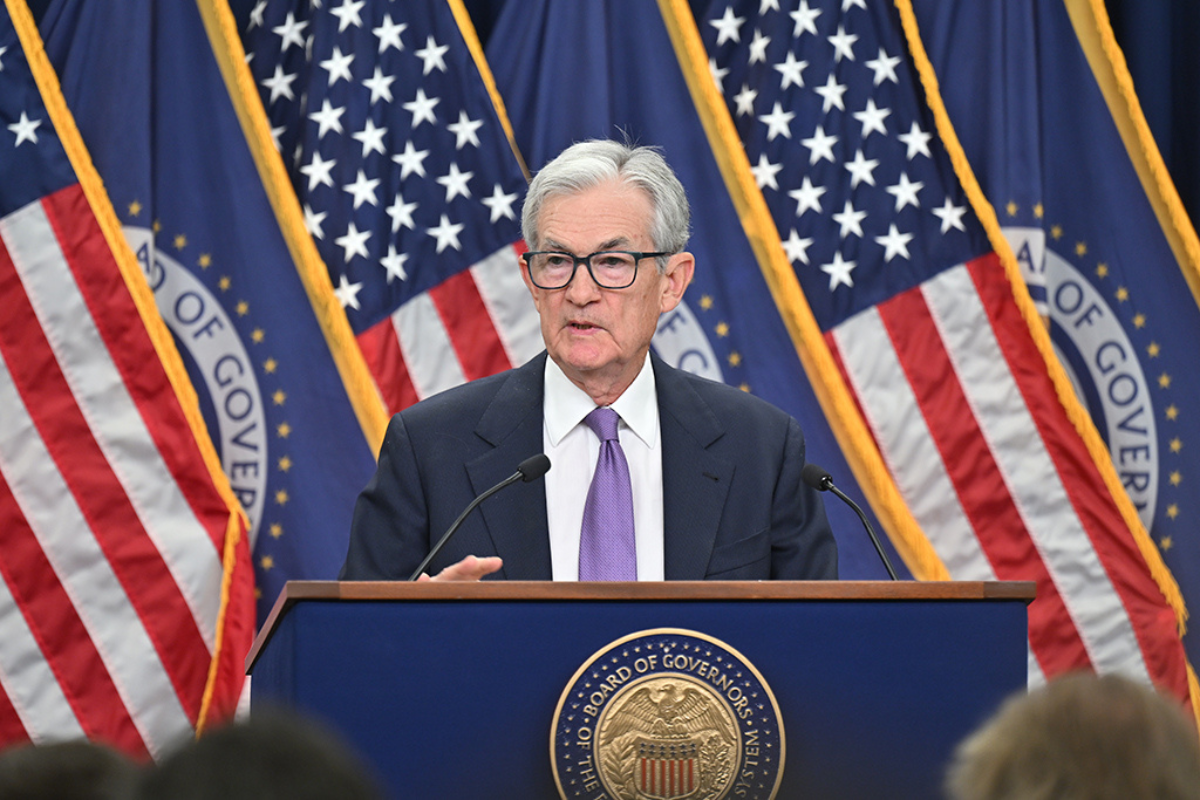
In a closely watched press briefing following the Federal Reserve’s first policy meeting of 2026, Federal Reserve Chair Jerome Powell repeatedly declined to engage with questions regarding the Trump administration‘s investigation into him.
During the press conference, reporters pressed Powell on numerous subjects including the Trump probe as well as whether or not he intends to stay on as Federal Reserve chair when his term expires in May. However, Powell remained tight-lipped on any actions he intends to take in the future. When asked directly if he planned to stay on as chair, Powell said constitutional limits and timing made it inappropriate to discuss today and that “there’s a time and place for these questions,” but he offered no further commitments.
Powell also refused to go into detail about an ongoing Department of Justice investigation into his congressional testimony and the Federal Reserve’s renovation project in Washington, D.C. Powell told journalists he had “nothing for you on that today” and declined to elaborate on how the Fed has responded to potential subpoenas.
Earlier this month, the Department of Justice served grand jury subpoenas to the Federal Reserve, threatening a criminal indictment in connection with Chair Jerome Powell’s testimony before the Senate Banking Committee in June 2025. That testimony involved details about a multi-year renovation of historic Federal Reserve office buildings in Washington, D.C., including costs and oversight of the project.
The briefing also comes as the Federal Open Market Committee announced Wednesday that it would keep the federal funds rate unchanged in a range of 3.5 percent to 3.75 percent, marking the first meeting of the year and the first since the Fed trimmed rates three times in 2025. While that decision was widely expected, investors and economists had also been tracking recent political and legal pressures on the Fed’s leadership.
Powell did not address whether recent calls from Trump and other political figures for aggressive rate cuts had influenced his stance. Instead, he reiterated the Fed’s historical practice of maintaining independence from the political branches of government.
He flagged that inflation remains above the Fed’s 2 percent target and that the labor market shows signs of cooling, though the central bank sees the current stance of monetary policy as appropriate to balance its goals. He described how the Fed’s decision reflects a careful assessment of incoming data, risks to the economic outlook, and the need to sustain progress toward both full employment and price stability.