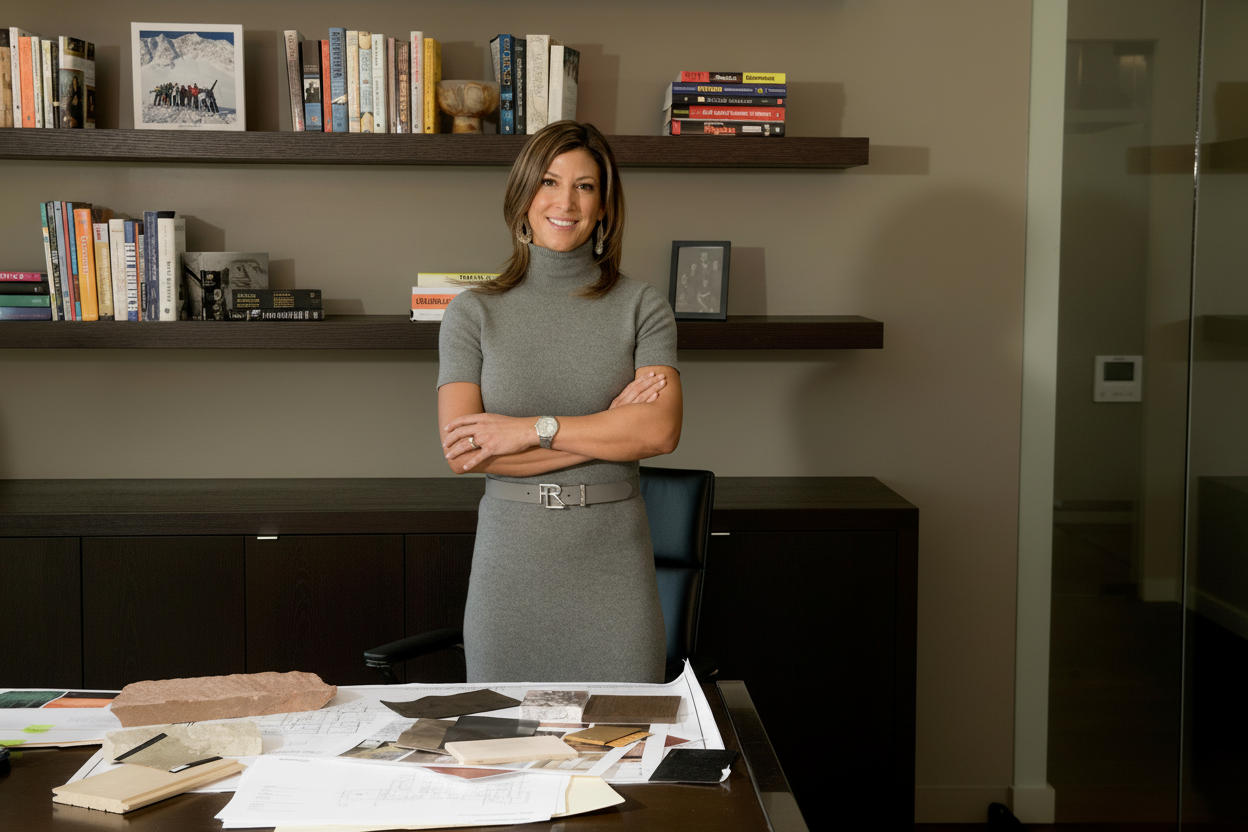
Children today move through school days and social lives surrounded by ultra‑processed food that increasingly feels routine rather than occasional. There are many junk foods that kids can access easily without their parents knowing, especially when they are in school or out with friends, and those choices can quietly accumulate over the course of a day. When Laura Paulus says that “62% of kids’ diets come from ultra‑processed foods, which is really sad,” it reads as a simple, worried observation about what has become normal for many families.
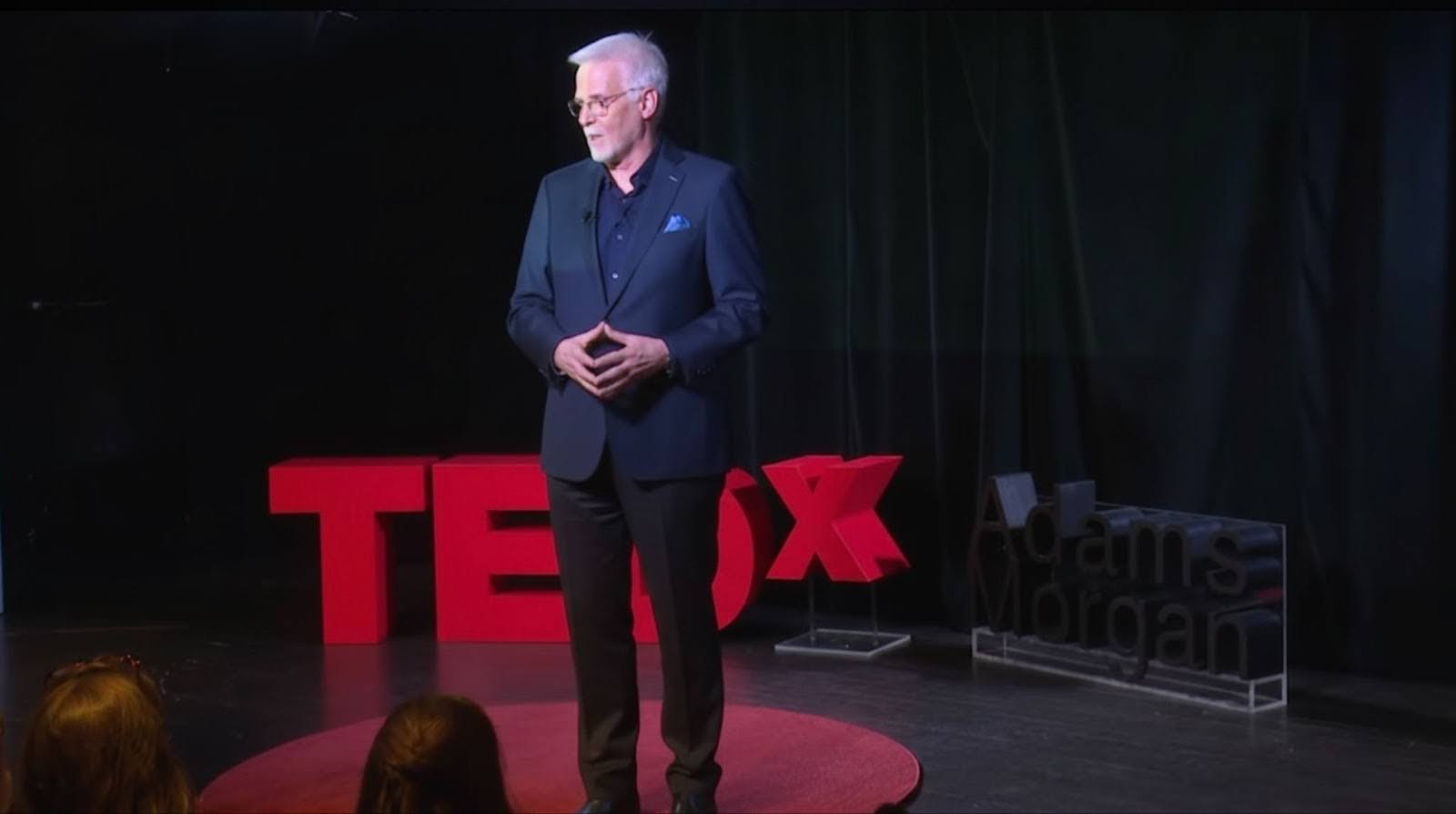
Nicolas Jammet, co-founder of Sweetgreen, emphasizes the significance of her work, noting that Paulus “is building the next generation’s food literacy. That’s powerful work with real impact.”
When Junk Food Becomes The Default
In many schools, the day feels shaped by quick, packaged choices. Hallways offer grab‑and‑go options, cafeterias rely heavily on ready‑made meals, and playdates often feature bright, packaged treats presented as typical “kid food.” The signal to children is clear: if something is easy to open, brightly branded, and always available, it is treated as a standard part of childhood eating.
Paulus’ concern centers on this imbalance. Ultra‑processed foods are engineered to be convenient and hard to resist, and children encounter them early, often without much guidance on how to think about what they are choosing. The issue is not only which foods end up on the plate, but also how rarely kids are taught to pause and ask what those foods contain and how they affect their bodies.
From Founder To Kids’ Nutrition Advocate
Laura Paulus’ career could have remained a straightforward business story focused on food and nutrition. She built her early work around helping people make “better food decisions in a simple way,” concentrating primarily on adults and exploring how clearer information and practical tools might guide grown‑up consumers toward healthier everyday choices.
Things changed after she had children and started paying closer attention to what young people were learning about food. Paulus describes noticing “the lack of nutritional education in America” and seeing it as a “critical…opportunity to sort of tackle and understand,” particularly for kids. Watching her own children navigate schools, parties, and screens, she realized how early habits form and how little structured support exists to help kids make sense of the options available to them. Her focus gradually shifted from adjusting adult behavior to giving children the skills to shape their own.
Inside Food Detectives’ Kid‑Powered Classroom
Food Detectives evolved from that shift and reflects Paulus’ belief that education can be both accessible and engaging. The program recently underwent a major product revamp for its 20th anniversary, based on teachers’ feedback, and is now fully virtual online—allowing much more scalability and impact. “We’ve already had a quarter million kids go through it,” she notes, adding, “our goal is now we’re nationwide,” a sign that the program is reaching classrooms across the country.
Kurt Dammeier, founder of Beecher’s Cheese and executive director of Food Detectives, points out that the recent updates have significantly improved the program’s accessibility and classroom integration. He says, “Laura’s thoughtful product-driven approach made Food Detectives more interactive, more scalable, and more classroom-friendly than ever. By reducing classroom time from three hours to just 40 impactful minutes, we’re delivering our curriculum in a way that integrates more seamlessly than ever into today’s classrooms.”
Rather than relying on traditional lectures, Food Detectives invites kids to approach food with curiosity. Through digital lessons and stories, students are encouraged to examine their food choices more closely, compare different options, and notice the discrepancy between the appealing packaging and the information hidden in labels. The underlying idea is straightforward: if children learn to ask, “What is this really?” they become more confident in making their own choices and less likely to accept whatever is most heavily promoted.
While the program has primarily focused on schools, Paulus says an at-home app will soon be available so kids can engage with Food Detectives anywhere, extending its reach beyond the classroom.
A Kinder Food Culture, One Kid At A Time
Paulus views Food Detectives as an ongoing effort. She discusses growth, the “understanding of what we’re doing,” and how the virtual program can gradually expand as more teachers, schools, and communities adopt it. The goal is to achieve incremental change: helping more third-, fourth-, and fifth-graders think critically about their snacks, with the hope that these skills will follow them into later life.
In addition to her work with Food Detectives, Paulus recently joined the Eat Real Board, a foundation dedicated to improving school cafeteria food, founded by Rob Lustig and Jordan Shlain.
In a country where ultra‑processed food has become a default part of childhood, even modest shifts in how kids understand and question what they eat can matter. If more of them grow up reading labels, asking simple questions, and feeling confident saying no when something does not feel right, the food environment around them will, over time, have to adjust in response.
For schools interested in adopting Food Detectives, visit their website to learn how students can access the program and start building healthier food habits today.