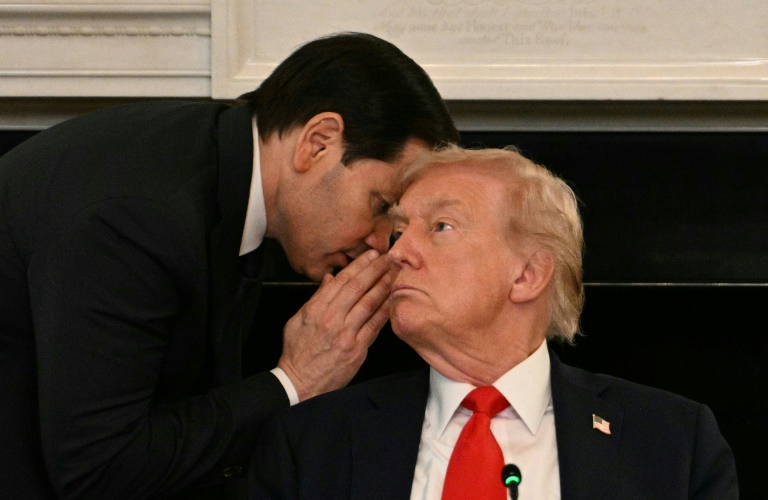
As Cuba faces a fuel crisis amidst U.S. pressure, a new report published Monday has indicated that Secretary of State Marco Rubio misled President Donald Trump about active negotiations between the United States and high-level officials from the Government of Cuba, asserting that the talks cited by the White House never actually took place.
An exclusive report from Drop Site News notes that Trump has repeatedly stated that “the United States is deep in negotiations with Cuban government officials” amid heightened pressure on the island, including threats to impose tariffs on countries trading oil with Cuba.
A statement attributed to Trump during a press briefing at his Mar-a-Lago resort on Feb. 1 claimed that Washington was “talking to the people from Cuba, the highest people in Cuba, to see what happens.” According to Drop Site, that assertion is contradicted by multiple Cuban and American officials who told the outlet no such high-level negotiations were underway.
Cuban leaders, including President Miguel Díaz-Canel, have publicly signaled openness to negotiation on a range of issues but have stressed that any dialogue must occur “without pressure or preconditions,” a condition that reflects longstanding Havana positions on sovereignty and respect in diplomatic dealings.
While these statements show a theoretical willingness to engage, Drop Site and independent analysts emphasize that there is no publicly verified record of formal talks or sustained diplomatic meetings between Cuban government negotiators and U.S. officials as claimed.
According to Drop Site, the misinformation stems from internal communications within the Trump administration in which Rubio allegedly portrayed routine or preliminary contacts as substantive negotiations. A senior U.S. official quoted in the report said Trump was repeating what Rubio had told him, despite there being “no talks actually going on.” The intent, sources told the outlet, was to create a narrative of diplomatic progress that could later be framed as a failure attributable to Cuban intransigence rather than U.S. policy choices.
The Drop Site report does not provide independently verifiable documentation of covert meetings or back-channel diplomacy. Instead, it relies on on-the-record comments from Cuban officials and unnamed American sources who describe the communications between Havana and Washington as “technical” rather than indicative of structured negotiations. According to Cuba’s Deputy Foreign Minister Carlos Fernández de Cossío, exchanges have revolved around routine matters, such as notifications about migrant repatriation flights, and do not rise to the level of talks over policy or bilateral issues.
Rubio, a Cuban-American politician from Miami, who has long advocated for firm U.S. pressure on Havana, has not publicly responded to Drop Site’s characterizations but has repeatedly emphasized the need to hold the Cuban government accountable for regional alliances and geopolitical actions. Historically, Rubio has been a vocal critic of the Cuban government’s human rights record and its partnerships with regimes in Venezuela and elsewhere, positions that dovetail with Trump administration foreign policy priorities.