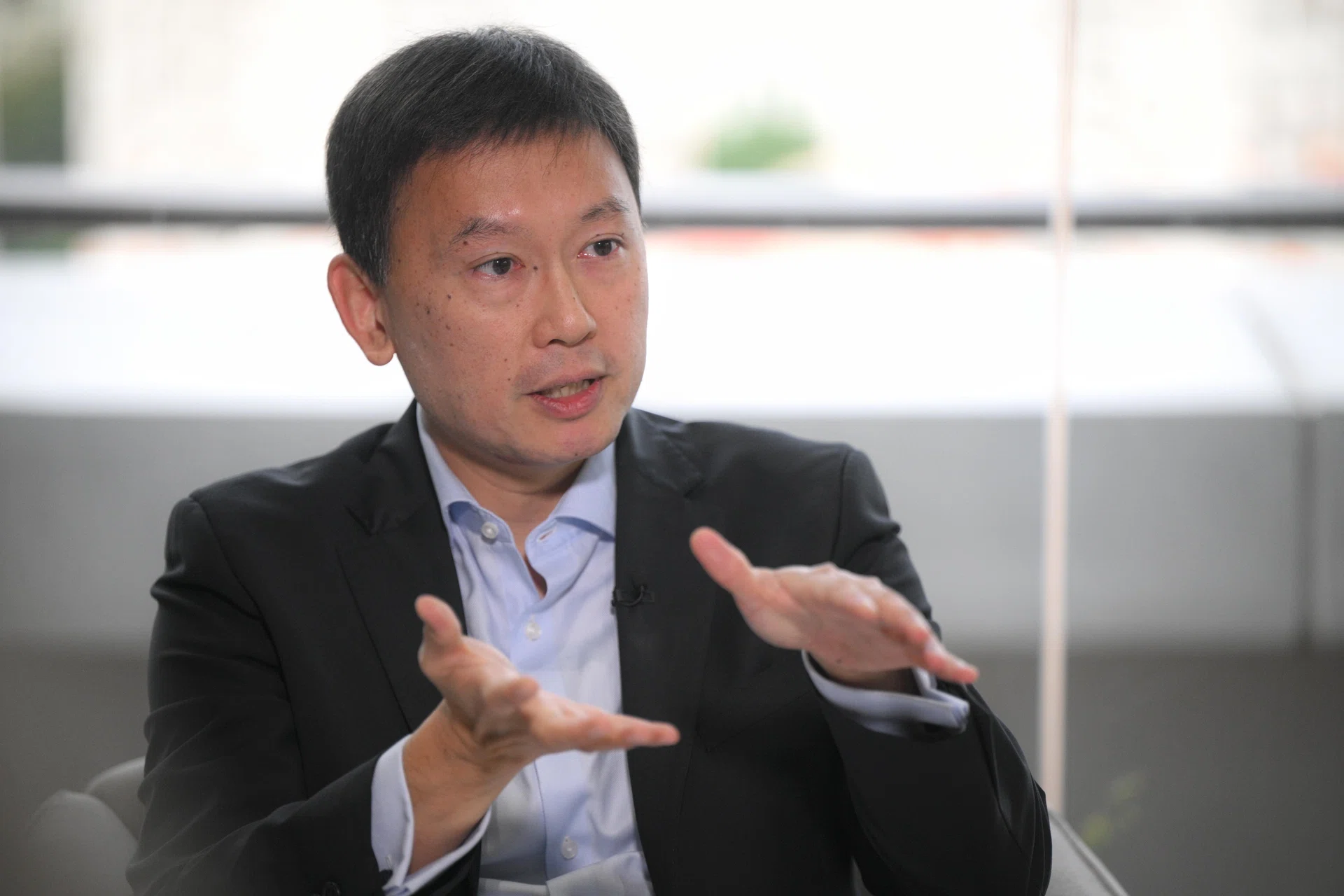
Changes include less paperwork, simpler reporting requirements and making more investment types eligible, says MAS deputy chairman Chee Hong Tat
[SINGAPORE] The Monetary Authority of Singapore (MAS) is looking to simplify the framework for its single family office (SFO) fund tax scheme, to better align it with industry needs.
The streamlining would entail reducing the documentation needed for applications, easing reporting requirements and expanding the types of investments eligible for the fund tax scheme, said Minister for National Development Chee Hong Tat, who is also deputy chairman of MAS.
He was speaking on Monday (Sep 29) at the Global-Asia Family Office Summit organised by the Wealth Management Institute (WMI).
He noted that Singapore has taken various steps to maintain its relevance as a wealth management hub.
At the industry level, MAS is co-leading a private banking working group to improve account opening efficiency.
The group will share best practices for streamlining processes, adopting artificial intelligence and automation, and improving regulatory clarity to reduce unnecessary second guessing, Chee said.
BT in your inbox
Start and end each day with the latest news stories and analyses delivered straight to your inbox.
He also noted that MAS has shortened the waiting time for SFO tax incentive applications; new ones are now approved within three months, where it used to take over a year before, he said.
“MAS recognises that this is not the standard of efficiency that we should provide to our clients,” he said.
This comes as Singapore has grown to be one of the fastest-growing wealth management centres globally.
SEE ALSO

In 2024, private-banking client assets grew by 19 per cent, with about half that growth coming from net new inflows.
Chee said: “I think all of you chose Singapore because we have high standards.
“We have a regulatory environment that you can trust, and we won’t shift away from that. At the same time, we will ease the process – make it less tedious, quicker and more efficient.”
He expects businesses can tap into Asean’s growth momentum from Singapore through the “Singapore+” model, under which companies anchor their high-value functions in the city state as they scale their operations to nearby markets.
This is why half of South-east Asia’s top family businesses have chosen Singapore as their base, he said.
The WMI will also partner with the Singapore Law Society to launch a specialised programme for legal professionals serving family offices.
Chee, commenting on Singapore’s plan to revitalise its stock market, said he expects to release the remaining recommendations of the review committee by the end of this year.
“Our focus is not to go for quick wins, which is not sustainable,” he said.
“We want to address the fundamentals of our ecosystem to enhance Singapore’s equity market, such that the momentum can be sustained.”
MAS previously announced tweaks to the tax incentive scheme for SFOs in 2023. Back then, most of the changes related to the types of investments that would count towards the asset under management (AUM) requirement, and how that requirement is met.
In 2023, MAS also launched a consultation paper for a proposed framework for SFOs in Singapore. It included qualifying criteria for class exemption from licensing under the Securities and Futures Act, as well as requirements for notification and annual reporting.