


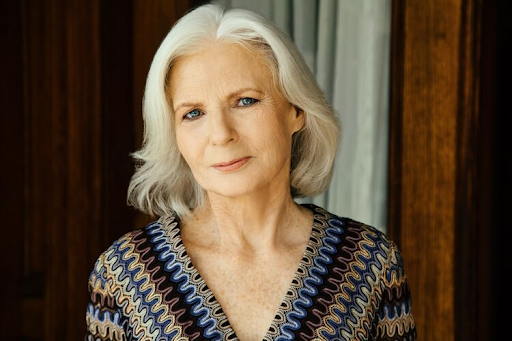
Many of today’s challenges feel like a persistent weight, an ambient heaviness that affects how people relate to one another and move through daily life. In this context, the arts often serve as sources of comfort. Film, in particular, has a unique ability to create shared experiences, spark conversation, and offer emotional relief. Through her work, actress Sarah Carson explores how storytelling through film can support well-being.
Before stepping into the spotlight, Carson built a career in private investigation and entrepreneurship, an unusual path that now informs her approach to performance. This rare combination gives her a multifaceted view of human behavior. Her experience investigating people’s lives, managing businesses under pressure, and engaging in the vulnerable craft of acting has shaped her understanding of why stories matter. “When a story trusts its audience with emotional depth, it gently encourages a deeper connection,” she says. That kind of trust is central to the work she chooses to pursue.
Carson’s body of work reflects these themes. She has acted in comedy, mystery, and drama, and has written and produced projects that allow her to inhabit roles authentically. One of the films she starred in, Peggie, focuses on dementia and unconditional love. In it, a partner continues to care for a loved one who no longer recognizes them. The film depicts loss and highlights loyalty and grace. “Transforming grief into a shared memory on screen offers people a way to remember how to support one another,” Carson shares.
Her investigative background informs the kinds of characters she’s drawn to, often those who are quietly perceptive and overlooked. Carson has reflected on how being seen as approachable can open doors to deeper connection, allowing hidden layers to surface. That sensitivity to the nuances of human behavior adds a quiet depth to her performances.
But what is it about film and the arts that invites immersion or reflection? For Carson, part of the answer lies in structure. Film often follows a hero’s journey, narratives that begin in limitation or challenge and evolve through growth and discovery. “That arc from struggle to self-realization is deeply inspiring,” Carson explains. “The theme can resonate across political, cultural, and generational lines because it reflects something universal: the aspiration to expand and flourish.”
Carson notes that film contributes to this impact through two key mechanisms: escapism and emotional connection. Escapism, in this sense, is about temporary relief. “Watching a character navigate hardship can feel restorative. When people share emotionally powerful films, the experience often brings them closer, even without saying much,” Carson shares. “Sometimes, it’s the emotions themselves that do the talking, weaving a sense of connection between viewers.”
She adds that seeing pain or care portrayed honestly on screen can foster empathy in ways that conversation alone may not. “That’s part of why film often reaches across political and social lines. People often connect with emotional truth and the rhythm of a story more than with abstract ideas. Even when perspectives differ, a well-crafted narrative can offer shared ground,” Carson states.
Recent research affirms the therapeutic potential of film. According to Psychologs Magazine, cinema creates a safe emotional space where viewers can process complex feelings, validate personal experiences, and foster empathy. Psychological frameworks such as narrative therapy and catharsis support this effect, showing that storytelling can lead to emotional release and deeper social connection.
Carson is also candid about the industry itself. “In recent years, more productions have embraced underrepresented perspectives, offering meaningful resonance for audiences who rarely see their stories told,” she says. Carson highlights the value of inclusivity in storytelling, noting that welcoming a wide range of viewers helps foster lasting connections. “Stories that bring people together tend to have an enduring impact,” she observes. Encouragingly, she sees a growing emphasis on narratives that uplift and unite across diverse experiences.
Essentially, Carson sees storytellers like herself as light sources, people who make structural problems easier to face and discuss. “A well-crafted film can offer escape without detachment, emotional depth without manipulation, and shared meaning without erasing difference,” she remarks.
This perspective invites optimism. Screen storytelling can help people see themselves and each other more clearly when done with care. Carson says, “A story that asks us to care can sometimes resonate more deeply than a speech that tells us to change loudly.” This kind of work may be what many are seeking in a time when small acts of attention matter.
