Traders on Polymarket are currently pricing in roughly a 61 per cent chance that the first US ‘Trump Gold Card’ visa will be issued before 31 March 2026, at 11:59 PM ET. Trading activity on the contract has approached nearly $100,000 in total volume, indicating strong interest from participants speculating on the programme’s launch.
However, these figures should not be interpreted as official confirmation. Prediction markets simply reflect the collective sentiment of traders betting on potential outcomes. The probability can shift rapidly depending on political announcements, policy updates, or media coverage. In essence, the odds represent expectations, not guarantees.
Pop Culture Fuels Political Buzz
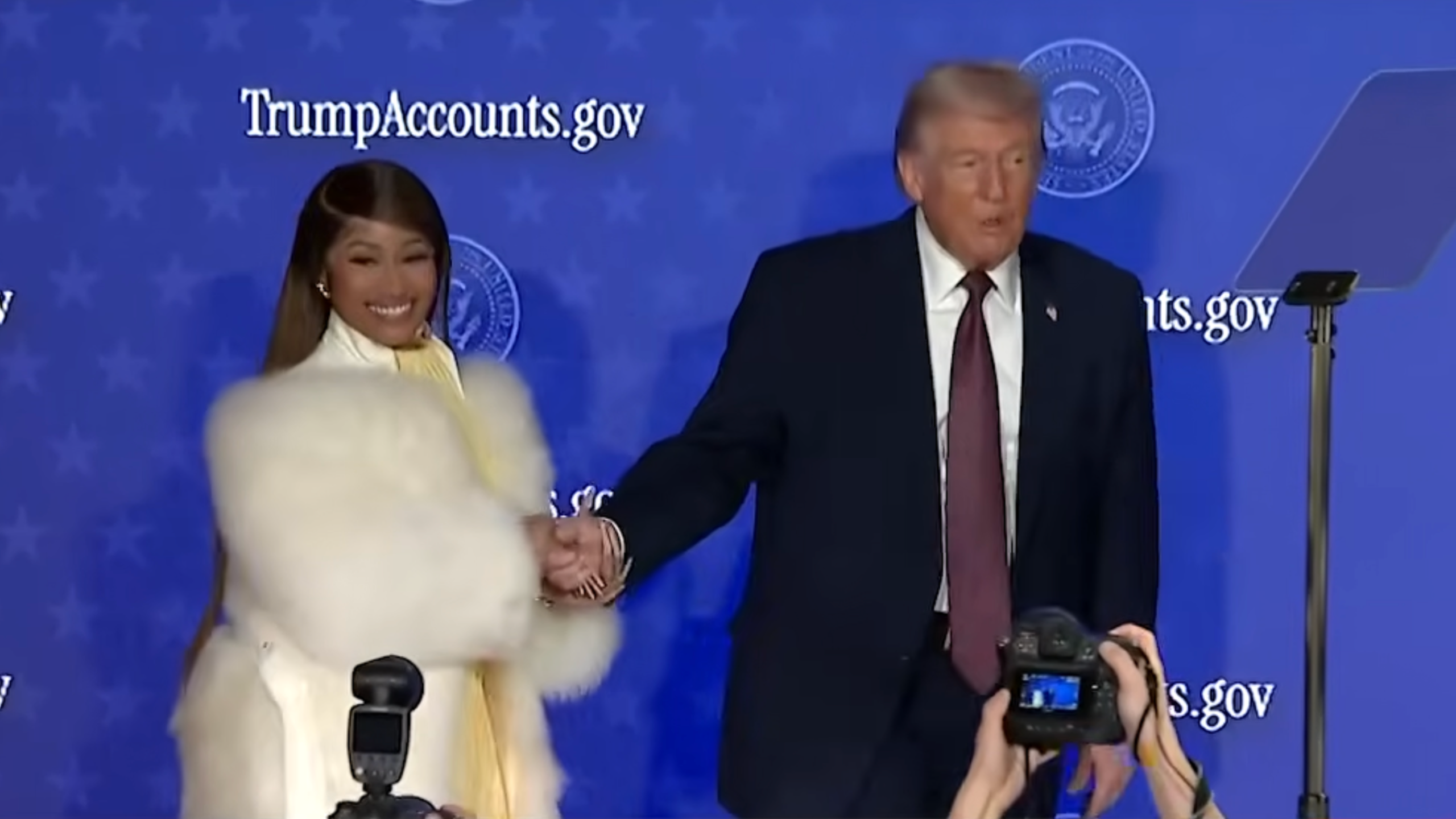
Public interest in the proposed visa programme surged after rapper Nicki Minaj posted a photo on X showing herself holding a card labelled ‘Trump Gold Card’. She captioned the image with a brief ‘Welp…’, immediately drawing attention online.
Within hours, the post spread widely across social media, generating millions of views. Supporters saw it as a show of support for the administration’s initiative, while critics questioned the political implications of the endorsement. Regardless of the reaction, the viral moment pushed the Gold Card discussion beyond immigration policy circles and into mainstream conversation, demonstrating how celebrity influence can amplify political topics almost instantly.
What Is the Trump Gold Card?
The Trump Gold Card is described as an investment-based immigration pathway aimed at wealthy foreign nationals. Under the reported structure, applicants would pay a non-refundable processing fee of $15,000 and, upon approval, contribute $1 million to the US government. Successful applicants would receive lawful permanent residency, similar to a green card.
Citizenship would not be automatic. Participants would still need to meet standard legal requirements for naturalisation, including residency duration and background checks. The proposal effectively links immigration benefits to substantial financial investment rather than traditional routes like employment or family sponsorship.
Support and Criticism
The proposal has sparked sharply divided opinions. Supporters argue that attracting high-net-worth individuals could bring fresh capital into the country, stimulate business activity, and increase government revenue without raising taxes. They view the programme as a practical means to fund economic growth through private investment.
Critics, however, contend that the system favours the wealthy and risks turning residency into a privilege reserved for those who can afford a high price tag. They argue it could undermine fairness within the broader immigration system and do little to assist ordinary applicants seeking legal entry.
Political Tensions in Washington
At the same time, immigration policy remains a deeply contentious issue in Washington. Ongoing disputes over border enforcement, funding, and oversight continue to divide lawmakers. Recent enforcement-related incidents have further intensified calls for reform and accountability within federal agencies responsible for immigration control.
These political disagreements could complicate the rollout of any new visa programme. Budget negotiations and policy battles may delay implementation or alter how such initiatives proceed. As a result, even if public interest remains high, administrative hurdles could slow the Gold Card’s introduction.
Markets, Media, and Policy Collide
The situation highlights how modern politics increasingly intertwines financial markets, media influence, and government decision-making. Prediction markets gauge public expectations, celebrities boost visibility, and lawmakers ultimately determine policy outcomes. While online buzz can generate speculation and headlines, official programmes depend on legislative and administrative approval.
What Happens Next?
With the 31 March 2026 deadline approaching, traders and political observers will continue watching for confirmation of whether the first Gold Card is actually issued. If the programme launches, it could mark the start of a new investment-linked immigration model in the United States. If it does not materialise, market enthusiasm may quickly fade.
For now, the Trump Gold Card remains a proposal shrouded in speculation rather than certainty, shaped as much by public sentiment and celebrity attention as by official government action.
Originally published on IBTimes UK