Oil Eases as Trump Rules Out Immediate Iran Strike, With Brent Near $115
WTI traded near $101.5 and Brent near $115.2 on 26 October 2026 after Trump ruled out an immediate strike on Iran, while Houthi attacks and Hormuz risks persisted.
Oil prices fell on 26 October 2026 after President Donald Trump ruled out an immediate strike on Iran. Mitrade reported WTI near $101.10 a barrel during Asian trading on Monday, while Sunday Guardian Live put WTI at $101.51 and Brent at $115.23 by 07:44 GMT.
The pullback followed a sharp rally the previous week. Brent gained 6% over the week and WTI rose 2.3%, according to Sunday Guardian Live, and both benchmarks had settled nearly $3 higher on Friday. The same outlet says prices had nearly reached six-month highs before the fall.
Prices Ease After a Sharp Weekly Rally
Sunday Guardian Live reported that WTI fell $1.76, or 1.7%, to $101.51 a barrel by 07:44 GMT, and that Brent declined $1.49, or 1.28%, to $115.23.
Mitrade said WTI hovered around $101.10 during Asian hours on Monday, after gaining more than 4% in the previous session. The two reports time their figures differently: Mitrade cites Asian hours, while Sunday Guardian Live cites 07:44 GMT.
Sunday Guardian Live links Friday’s gain to Houthi attacks in Saudi Arabia, which it says raised fears of supply disruptions. Priyanka Sachdeva of Phillip Nova said Monday’s decline appeared to reflect traders managing risk rather than a substantial improvement in the underlying supply outlook.
Benchmark Prices, 26 October 2026
Sunday Guardian Live reported WTI at $101.51 and Brent at $115.23 a barrel by 07:44 GMT on 26 October 2026, both lower on the day.
Trump’s Remark and the Earlier Pledge
Mitrade quotes Trump as saying “there will not be a strike today,” citing Al Jazeera. The date of the remark is not confirmed in the reports.
Mitrade also said Trump had earlier suggested Washington might need to “finish the job” or potentially reach a deal with Tehran. It said fears remain that strikes could resume after Israel’s elections and the US midterms, and that Iran is reportedly prepared to retaliate by targeting Israel and the UAE. Mitrade places Israel’s election in “this week”.
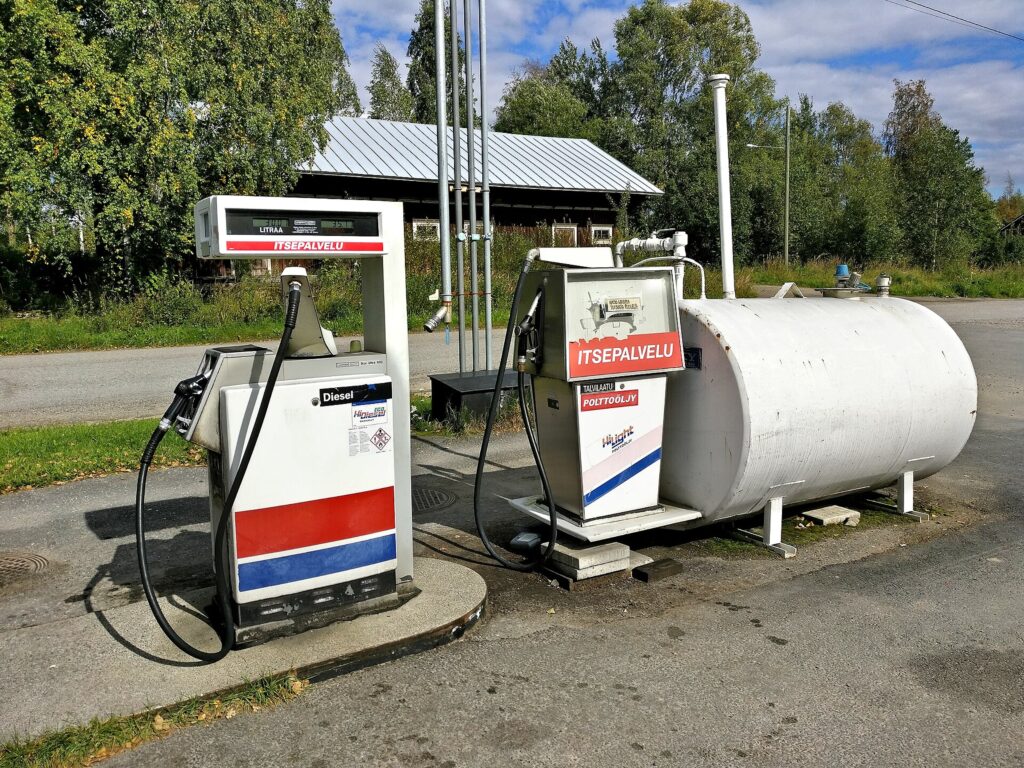
A similar pledge came on 8 October. Yahoo Finance reported that Trump said in a social media post that the US would not attack Iran before the midterm elections on 3 November. That day Brent fell to $103 and WTI to $90, although both had gained earlier in the day. The same report gave AAA averages of $4.36 a gallon for gasoline and $6.28 for diesel on Thursday.
OilPrice.com, citing a report by The Atlantic, said the Pentagon was preparing strike options for use before the midterms, with the decision still being debated. According to the same report, two administration officials said the White House asked for options usable before the vote, with the aim of reducing gas prices and showing progress in the conflict.
Citing Axios, OilPrice.com said US and Israeli officials believed Iranian leaders were deeply suspicious of Trump’s statements, and that Tehran wanted to avoid a third surprise attack.
Mediation, Houthi Attacks and Hormuz Risk
Sunday Guardian Live reported, citing an unnamed official, that Qatari mediators travelled to Tehran on Sunday in coordination with Washington. Senior officials from Saudi Arabia, Turkey and Pakistan were expected to meet Iranian leaders in Tehran on Monday. The outlet described that meeting as the first high-level contact since Houthi attacks on Saudi Arabia became a key pressure point.
The Houthis said they had targeted pumping stations on Saudi Arabia’s East-West crude pipeline and Riyadh airport, the outlet reported. Saudi Arabia said it intercepted additional missiles and drones on Sunday. Mitrade, citing Reuters, reported that the Houthis would keep targeting King Khalid Airport in Riyadh, and that Saudi Arabia had partially restarted airport operations. Sunday Guardian Live ties these attacks to the US-Israeli war against Iran, which began on 28 February.
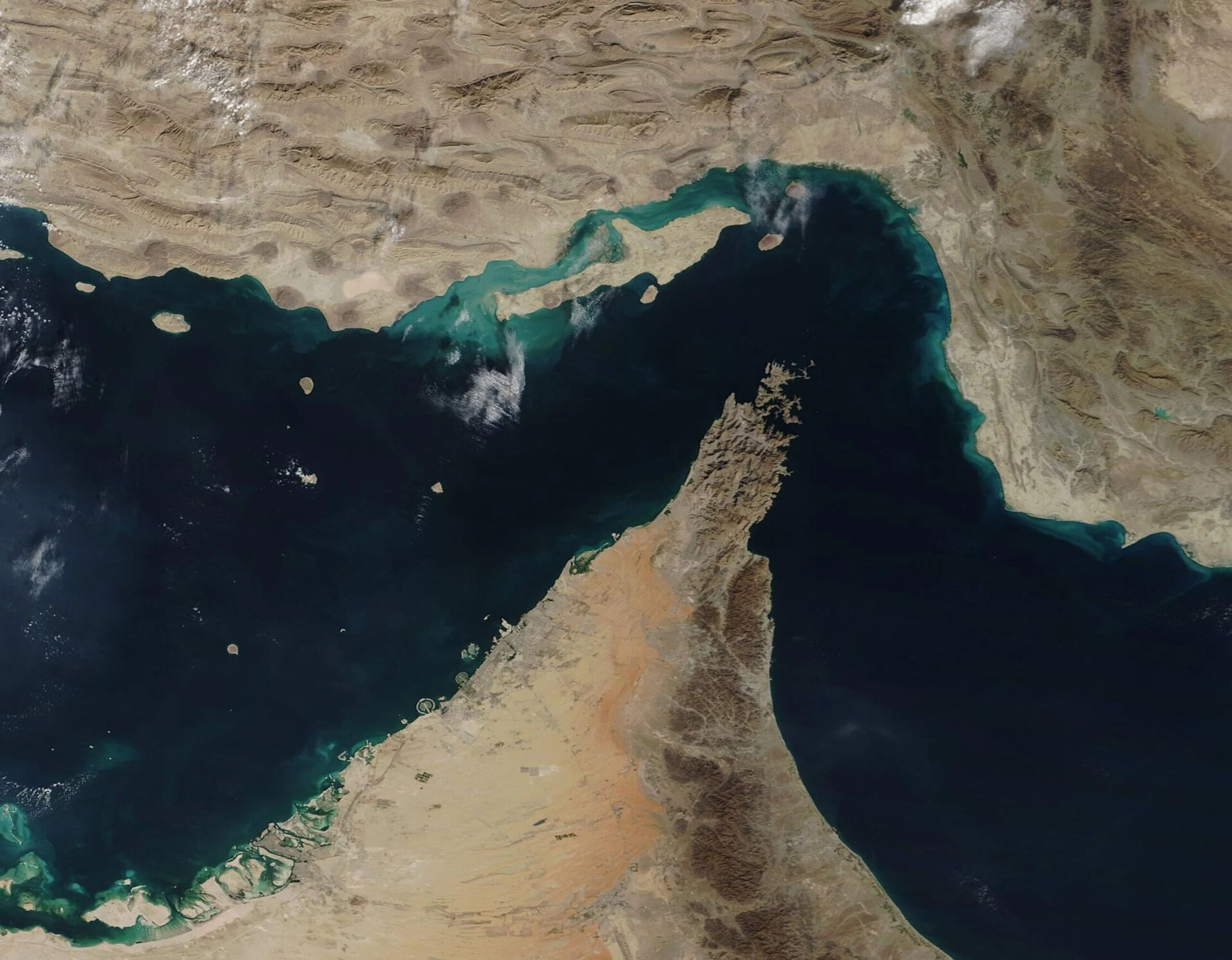
Restrictions and security risks affect traffic through the Strait of Hormuz and the Bab el-Mandeb Strait. Priyanka Sachdeva of Phillip Nova said Hormuz risks remained in place. She said the decline appeared to reflect traders managing risk rather than a substantial improvement in the underlying supply outlook.
On 8 October, OilPrice.com reported that Iran had stepped up drone attacks on tankers in the Strait of Hormuz over the previous week. Yahoo Finance’s report from the same day said the International Energy Agency was accelerating releases of oil and distillate stocks. It also said oil rose that week amid increased incidents of vessel attacks near the Strait of Hormuz.
The decline appeared to reflect traders managing risk rather than a substantial improvement in the underlying supply outlook. (Priyanka Sachdeva, Phillip Nova)
What Happens Next, as of 26 October
As of 26 October, none of the reports cited an agreement with Iran. The Tehran meetings of Saudi, Turkish and Pakistani officials were expected on Monday, according to Sunday Guardian Live.
The next events in the reports are Israel’s election, which Mitrade places in “this week”, and the US midterms on 3 November, per Yahoo Finance. Mitrade said strike fears could resume after both.
OilPrice.com argues that a renewed bombing campaign would likely push oil higher, since prices have tended to spike on major escalation news.
Sunday Guardian Live also reports that Saudi Arabia and Singapore announced Saudi Aramco will begin storing crude in Singapore in the second half of 2027. IEA chief Fatih Birol, speaking at a Singapore industry event on Monday, said he did not expect energy markets in 2027 to return to pre-war conditions.