How a 100% Drug Tariff Is Reordering Global Pharmaceutical Trade
A 100% tariff on patented drugs and their ingredients reaches most of the industry on September 29, reshaping who pays and who is exempt.
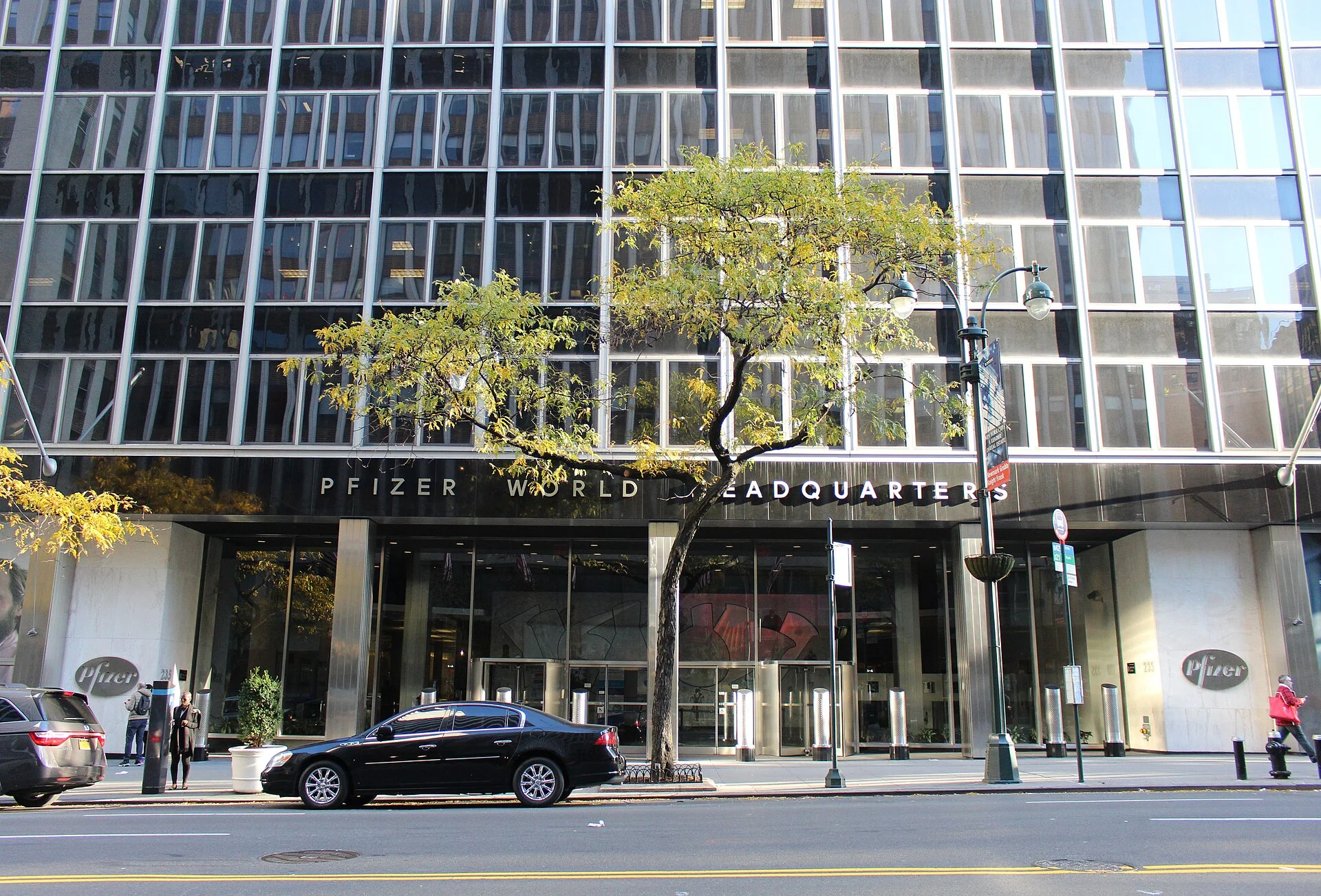
A 100% tariff on patented pharmaceuticals and the active ingredients used to make them reaches most drug importers on September 29, the final phase-in date under a presidential proclamation signed April 2. The measure invokes Section 232 of the Trade Expansion Act of 1962, the same national-security statute used for steel and aluminum tariffs, following a Commerce Department investigation opened in April 2025.
Seventeen of the world’s largest pharmaceutical companies, including Pfizer, Johnson & Johnson, Merck, Eli Lilly, AbbVie, Amgen, AstraZeneca, Novartis and Sanofi, have faced the tariff since July 31. Generic drugs and biosimilars remain exempt, at least for now. Global drug trade is now split between products taxed at up to 100% and products that still cross the border free.
What the Tariff Covers
The duty applies to pharmaceutical products protected by an unexpired U.S. patent and listed in the Food and Drug Administration’s Orange Book of approved drugs or Purple Book of licensed biological products. It also covers the active pharmaceutical ingredients and key starting materials used to manufacture those products.
Commerce’s investigation found that only 15% of patented active pharmaceutical ingredients, by volume, are produced domestically, and that imports supply 53% of the patented drugs distributed in the United States. The proclamation concluded that this reliance “threatens to impair” national security, the legal trigger required under Section 232.
The exemption list is long: generic drugs and biosimilars, orphan drugs for rare diseases, nuclear medicines, plasma-derived therapies, fertility treatments, cell and gene therapies, antibody drug conjugates, medical countermeasures for chemical, biological, radiological and nuclear threats, and pharmaceutical products of U.S. origin. More than 400 additional tariff lines covering antibiotics, vitamins and hormones are also excluded.
The Case for a National-Security Tariff
Commerce’s Section 232 investigation, opened in April 2025, found that only 15% of patented active pharmaceutical ingredients are produced domestically by volume, and that imports supply 53% of the patented drugs sold in the United States.
Two Deadlines, Two Sets of Companies
The proclamation phases the tariff in over two dates. The 17 companies named in an annex to the order faced the 100% duty starting July 31. Every other importer of covered products, including smaller manufacturers and firms that rely on contract manufacturers abroad, has until September 29. Trade advisories note there is no in-transit grace period: what governs is the date a shipment clears customs, not the date it left port.
Companies can reduce that rate. Firms with a Commerce-approved plan to build U.S. manufacturing pay 20% instead of 100%, though that rate is set to rise back to 100% in April 2030. Companies that pair an onshoring plan with a pricing agreement reached with the Department of Health and Human Services pay nothing at all through January 20, 2029. Law firm trackers of the proclamation put that zero-tariff group at 13 companies.
The count is not consistent across sources. One Irish newspaper reported that 14 major manufacturers, almost all of which have Irish operations, had already secured zero-tariff deals, one more than the 13-company figure cited by trade-law advisories. Neither account was reconciled in the sources reviewed for this article.
Why Some Countries Pay Far Less
Separate from the company-specific deals, the proclamation sets country ceilings for patented drugs and ingredients. The White House proclamation lists a 15% rate for the European Union, Japan, South Korea, Switzerland and Liechtenstein, and a separate 10% rate for the United Kingdom, falling to zero under a future bilateral agreement.
The ceilings matter most for Switzerland and Ireland. Switzerland’s pharmaceutical sector accounts for roughly 8% of the country’s gross value added and about a quarter of its exports, and is home to Roche and Novartis; it ranks as the second-largest source of U.S. pharmaceutical imports. Ireland’s pharmaceutical sector is its single largest export category, with the U.S. its most important market.
EY tax partner Aidan Meagher said there was “no immediate cliff-edge for Ireland” given the 15% EU ceiling and the separate company agreements, though exposure would vary firm by firm. India, a smaller supplier of patented drugs to the U.S. than Europe, was described in one analysis as even more dependent on U.S. market access than Irish manufacturers, a dependence tied largely to its role as a top supplier of generic medicines, which fall outside this particular tariff.
How Exporters Prepared in Advance
Drugmakers had more than a year’s warning. Irish goods exports to the United States rose 153% to €70.8 billion in the first five months of 2025 compared with the same period a year earlier, as companies rushed shipments ahead of an expected tariff. Pharmaceutical and medicinal exports alone reached €13.7 billion in May 2025, up almost three-quarters year over year.
Ebury’s head of dealing Robert Purdue said the threat of tariffs had driven “a rush to accelerate shipments,” predicting the early surge would be followed by a slump once duties took hold. Irish Pharmaceutical Healthcare Association director of communications Eimear O’Leary later warned tariffs still risked “disruptions to supply chains globally.”
Companies have also pledged new U.S. capacity. Since April 2025, drugmakers have committed a combined $282.8 billion to domestic manufacturing investment, according to one industry analysis, with individual pledges including AstraZeneca’s $50 billion through 2030, Johnson & Johnson’s more than $55 billion over four years, Roche’s $50 billion over five years and Novartis’s $23 billion across ten U.S. facilities. University of Galway economist John McHale cautioned that announcements do not always mean companies are changing their underlying strategy.
Global drug trade is now split between products taxed at up to 100% and products that still cross the border free.
Generic Drugs Face a Separate Timeline
Generic drugs and biosimilars are excluded from the current 100% tariff, though Commerce has reserved the right to revisit that exemption within a year. Generics fill about 90% of U.S. prescriptions but account for only 13% of drug spending by value. The U.S. imports 78% of its solid oral generics and 60% of its injectable generics.
A separate, later tariff track applies to generics specifically. Under the administration’s phased plan, generic drugs from companies that have not committed to U.S. manufacturing face no tariff from August 2026 through August 2028, a 100% tariff in the plan’s third year, and 200% from the fourth year onward.
Uncertainty Over the Price Effects
Analysts disagree on how quickly the tariff will show up in what patients and health systems pay. One university-based policy analysis projected that domestic prices would rise as companies pass tariff and reshoring costs to consumers, citing Morningstar forecasts of profit-margin reductions of 4% to 7% for affected drugmakers.
The same analysis pointed to price moves already underway abroad tied to a related policy: Eli Lilly raised the price of its diabetes and weight-loss drug Mounjaro in the United Kingdom from $165 to $447, a change the analysis linked to the administration’s separate most-favored-nation pricing push, under which lower U.S. list prices are tied to the price a drugmaker charges other wealthy countries.
University of Chicago economist Steven Durlauf offered a general caution about tariffs, saying they “raise prices and…raise the cost of production.” How much of that applies to a market already reshaped by exemptions, country deals and company-specific agreements remains untested.
Photo: Coolcaesar · CC BY-SA 4.0 · via Wikimedia Commons