The move comes amid a deal spree by Aster, a joint venture between Indonesia’s Chandra Asri and commodities trader Glencore
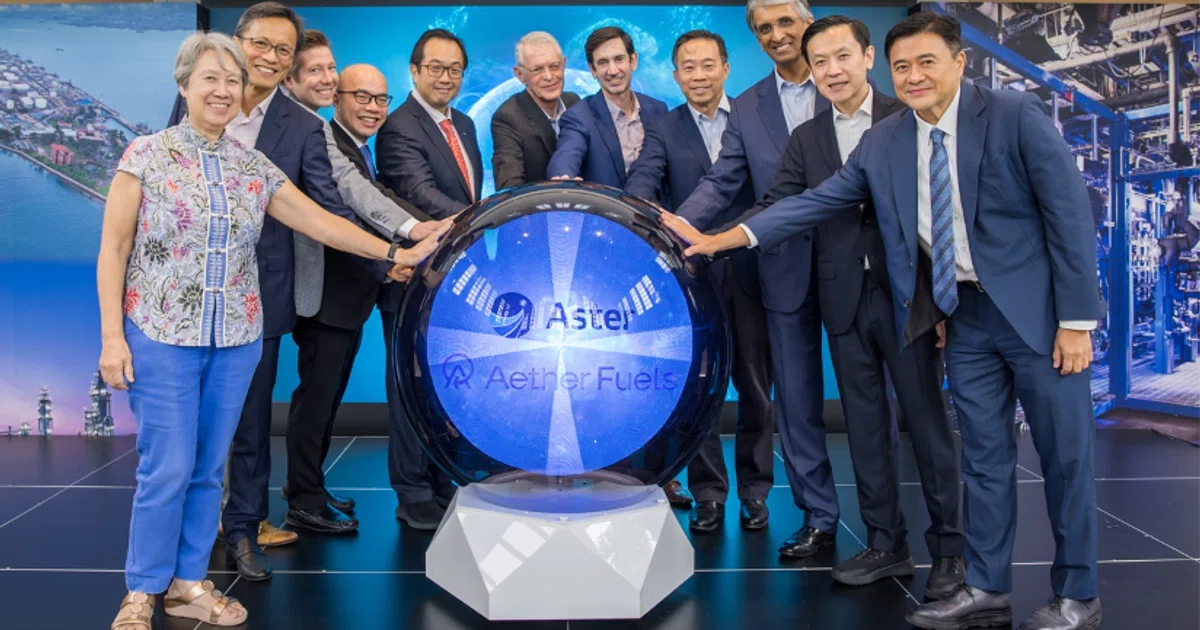
[SINGAPORE] Refining and chemicals player Aster and startup Aether Fuels will develop a sustainable aviation fuel production plant on Pulau Bukom – the first such facility in South-east Asia to convert waste industrial gases into sustainable aviation fuel.
Construction of the plant, dubbed “Project Beacon”, will commence in 2026. It will begin commercial operations in 2028. The plant will be located at Aster’s refining hub on Pulau Bukom, which it took over from Shell in April.
The move comes amid a deal spree by Aster – a joint venture between Indonesia’s Chandra Asri and commodities trader Glencore.
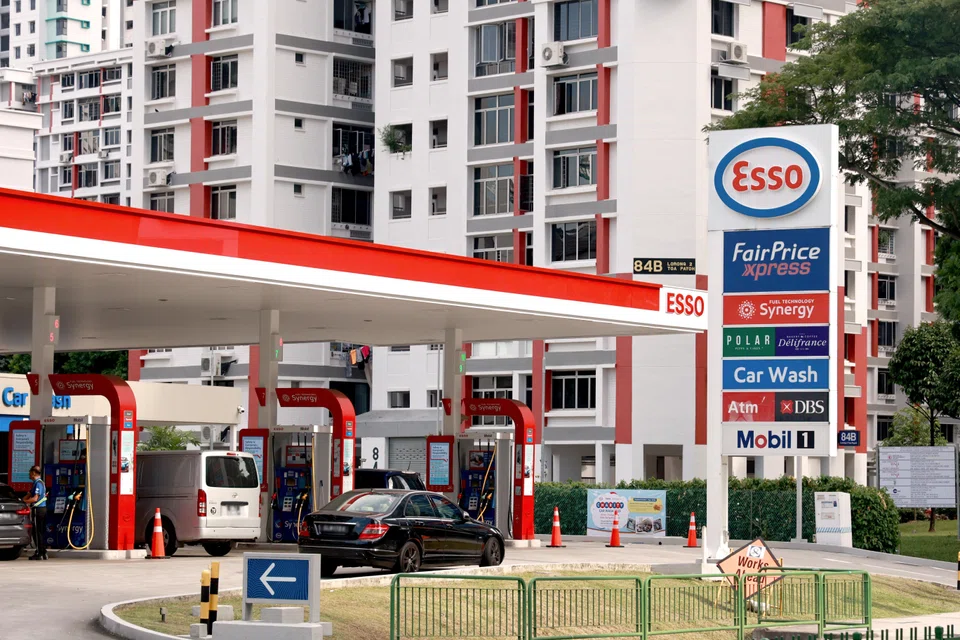
Besides the Bukom refinery, the company also recently purchased Singapore’s Esso petrol stations and the Jurong Island assets of Shell and Chevron Phillips Singapore Chemicals.
Aster chief financial officer Andre Khor said that the sustainable aviation fuel plant is aligned with the deep-tech focus of its unit, Aster Ventures.
“The thesis driving up the investment is that… we are looking at deep tech to help address core industrial (needs), as well as next-generation energy solutions that are adjacent and synergistic with our energy, chemicals and infrastructure assets on the ground,” he said.
A NEWSLETTER FOR YOU
Friday, 12.30 pm
ESG Insights
An exclusive weekly report on the latest environmental, social and governance issues.
Khor was speaking to reporters on the sidelines of the deal signing, held at Temasek Shophouse on Tuesday (Nov 11).
Project Beacon will use Aether’s proprietary technology to convert industrial waste gas, as well as biomethane, into sustainable aviation fuel.
This is a first for the region. Incumbent producers of this fuel, such as Neste, typically tap used cooking oil to produce it.
SEE ALSO
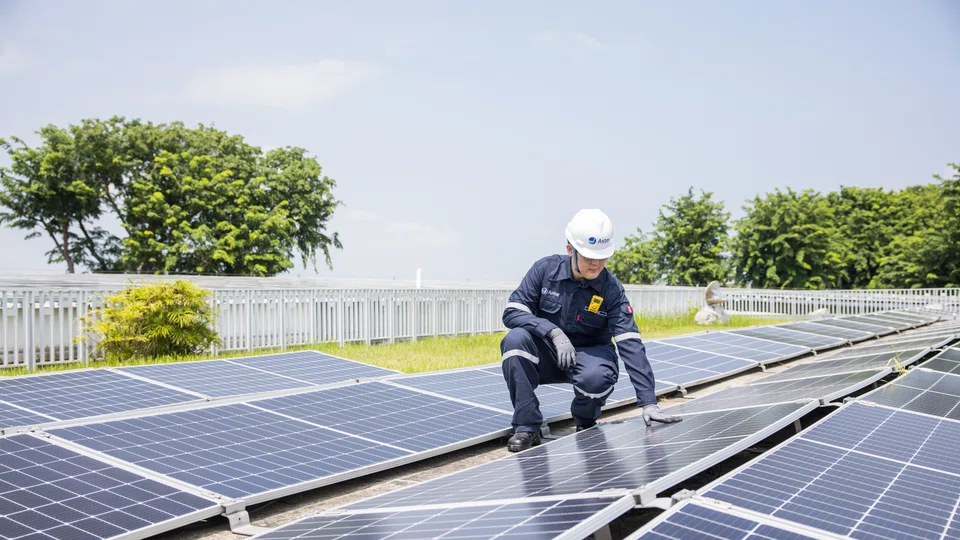
Aster will provide Aether with the waste carbon feedstock for fuel production, as well as renewable power, utilities and site support.
The output will be certified by the Carbon Offsetting and Reduction Scheme for International Aviation (Corsia), a global initiative to decarbonise the aviation sector.
“Tonnes of interest”
Project Beacon will produce up to 50 barrels of fuel a day, or 2,000 tonnes a year. This comprises 1,600 tonnes of sustainable aviation fuel and 400 tonnes of sustainable naphtha.
There will also be 24 full-time jobs created for the operation of the plant, said Aether’s founder and chief executive Conor Madigan. The startup separately plans to grow its Singapore headcount to 30, from two at present.
Based in Singapore and Chicago, Aether was incubated and funded in 2022 by Xora, a deep-tech venture firm backed by Temasek.
Speaking to The Business Times at Tuesday’s event, Madigan noted that there is a shortage of used cooking oil to produce sustainable aviation fuel.
Aether aims to overcome this problem through its technology, which allows the fuel to be made from waste gases and other forms of waste carbon. With Project Beacon, the input will be gases from Aster’s refining processes.
“(That) allows us to get the feedstock we need in a super-steady stream and consistent flow… And so it really makes this project super simple. We have a rock solid feedstock supply, and it allows us to demonstrate a route to making fuels that we think is quite scalable,” he said.
In February, Singapore Airlines signed an agreement with Aether to potentially source sustainable aviation fuel from the startup.
Asked if the carrier will purchase the fuel from Project Beacon, Madigan would only say: “It is our intention that the offtake for this plant will be to a major airline. We hope to provide updates on that down the line.”
He also noted that there is “tonnes of interest throughout Asia” for offtake, especially as more governments mandate the use of the fuel.
Singapore, for instance, aims for sustainable aviation fuel to account for 1 per cent of all jet fuel used at Changi and Seletar airports in 2026, rising to 3 to 5 per cent by 2030.
The Republic has set up a central buyer for sustainable aviation fuel, while also introducing a levy for the fuel ranging from S$1 to S$41.60 per airline ticket.
Aether was “really impressed here in Singapore by the policy support for sustainability and the sort of steadiness of the government’s approach, which is a contrast right now (to the) world in general”, said Madigan.