[SINGAPORE] Private equity (PE) deal value in South-east Asia fell 43 per cent and deal volume dropped 12 per cent in 2025 as investors grew more cautious amid geopolitical volatility.
A total of US$9.1 billion was deployed in 59 PE-backed deals, down from US$16 billion across 67 deals in 2024, according to EY’s Southeast Asia Private Equity Pulse 2025 report released on Wednesday (Feb 11).
There were four megadeals – deals valued at more than US$1 billion – in the region last year, compared with eight in 2024. Among the deals where values were disclosed, the average size fell to US$267 million from US$356 million.
Digital infrastructure accounted for 42 per cent of PE investments, followed by telecommunications at 12 per cent, then real estate and energy at about 10 per cent each.
“While 2025 started with robust activity in Q1, geopolitical volatility and concerns over potential US tariffs led to more cautious investor sentiments seen in Q2,” said Luke Pais, EY-Parthenon Asean private equity leader.
However, PE investment activity in South-east Asia rebounded in the third quarter, which was the most active deployment period in 2025.
Navigate Asia in
a new global order
Get the insights delivered to your inbox.
This reflected “a shift towards larger, more selective transactions as valuations stabilised and financing conditions improved”, Pais noted.
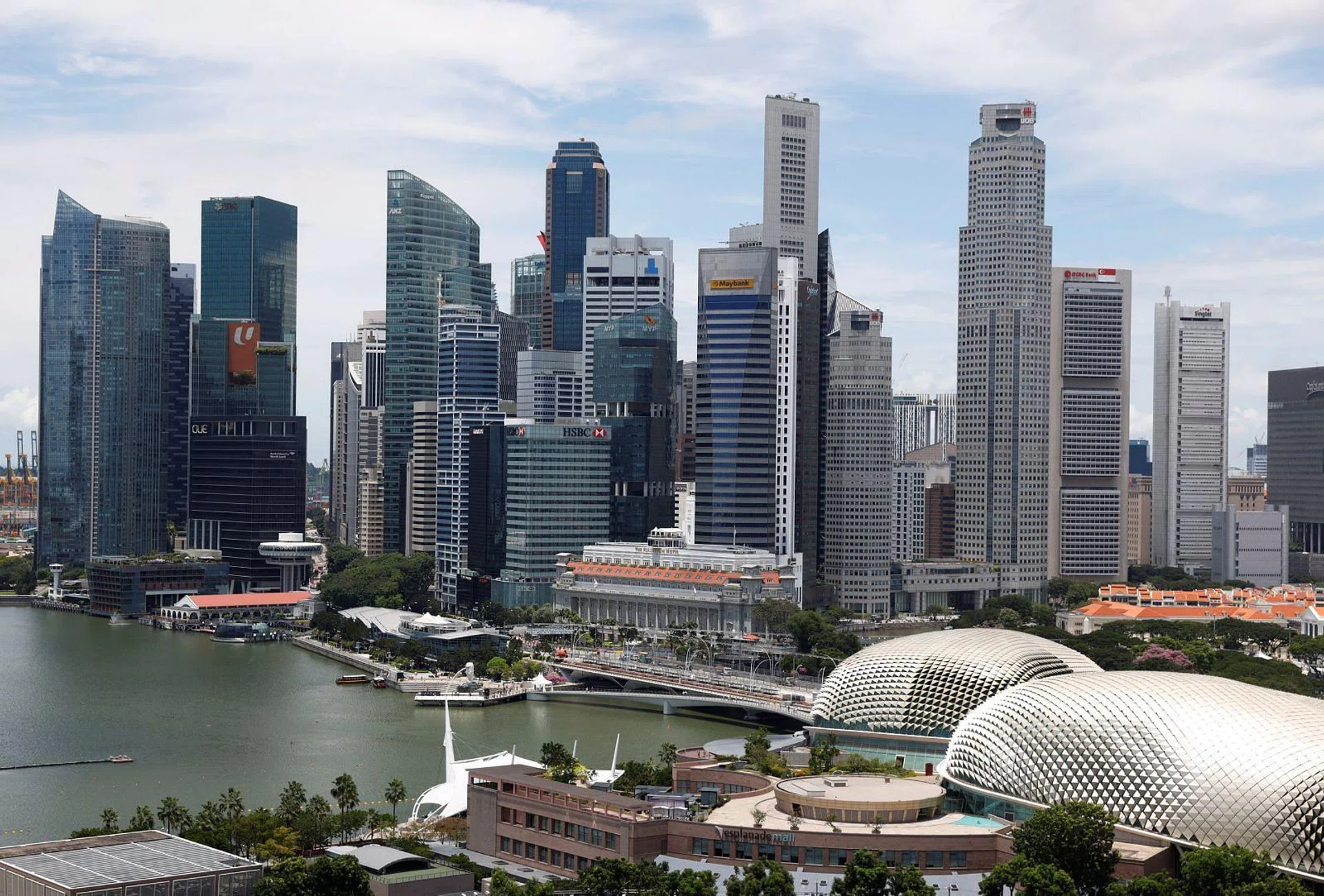
He added that Singapore continued to be a “regional anchor”, accounting for over 74 per cent of total PE value and underscoring its role as a safe haven for capital in times of uncertainty.
Fundraising momentum builds
In terms of fundraising, EY said South-east Asia remained a “strategically important allocation market in Asia-Pacific”, accounting for 14 per cent of PE fundraising in the region.
There were 10 PE fund closes in South-east Asia last year, which raised a total of US$4.6 billion, up 97 per cent year on year.
Conversely, exit values took a hit. The region recorded 33 deals, generating US$4.4 billion in cash returns. While deal volume increased 18 per cent year on year, aggregate exit value declined by 47 per cent, reflecting a trend towards smaller-scale sales.
Private equity firms also held assets for longer, but the increase in exit momentum is expected to “further accelerate” in 2026, which will get the capital cycle flowing faster, EY said.
Private credit set to grow
The private credit market in South-east Asia is expected to grow in 2026, as stricter bank lending rules are forcing mid-sized companies and financial sponsors to look elsewhere for loans.
“Solid domestic demand and continued digital economy expansion are creating lending opportunities across sectors,” EY noted, highlighting digital infrastructure, healthcare, education, fintech and renewable energy as examples.
Pais said digital infrastructure and renewables are expected to remain “primary beneficiaries”, pointing to the increasing convergence between compute growth and clean-power solutions.
“We also expect to see more broad-based activity compared to 2025, with significant transactions in other sectors,” he added.
EY said borrowers are happy to pay more in return for flexible, custom-built loans with lighter financial restrictions.
At the same time, the private credit market is growing stronger because local pension funds and insurance companies are investing more money into it, alongside international investors who are looking for specialised loan options.
EY added that ongoing regulatory reforms will improve market transparency, helping private credit grow across the region.
Pais noted that private credit offers investors a “compelling” way to diversify, providing better returns than traditional bonds, especially when lending to companies that usually struggle to get funding.
Decoding Asia newsletter: your guide to navigating Asia in a new global order. Sign up here to get Decoding Asia newsletter. Delivered to your inbox. Free.