Calculated risk is often romanticized as fearlessness. Stanton Barrett believes that is precisely where most people go wrong.
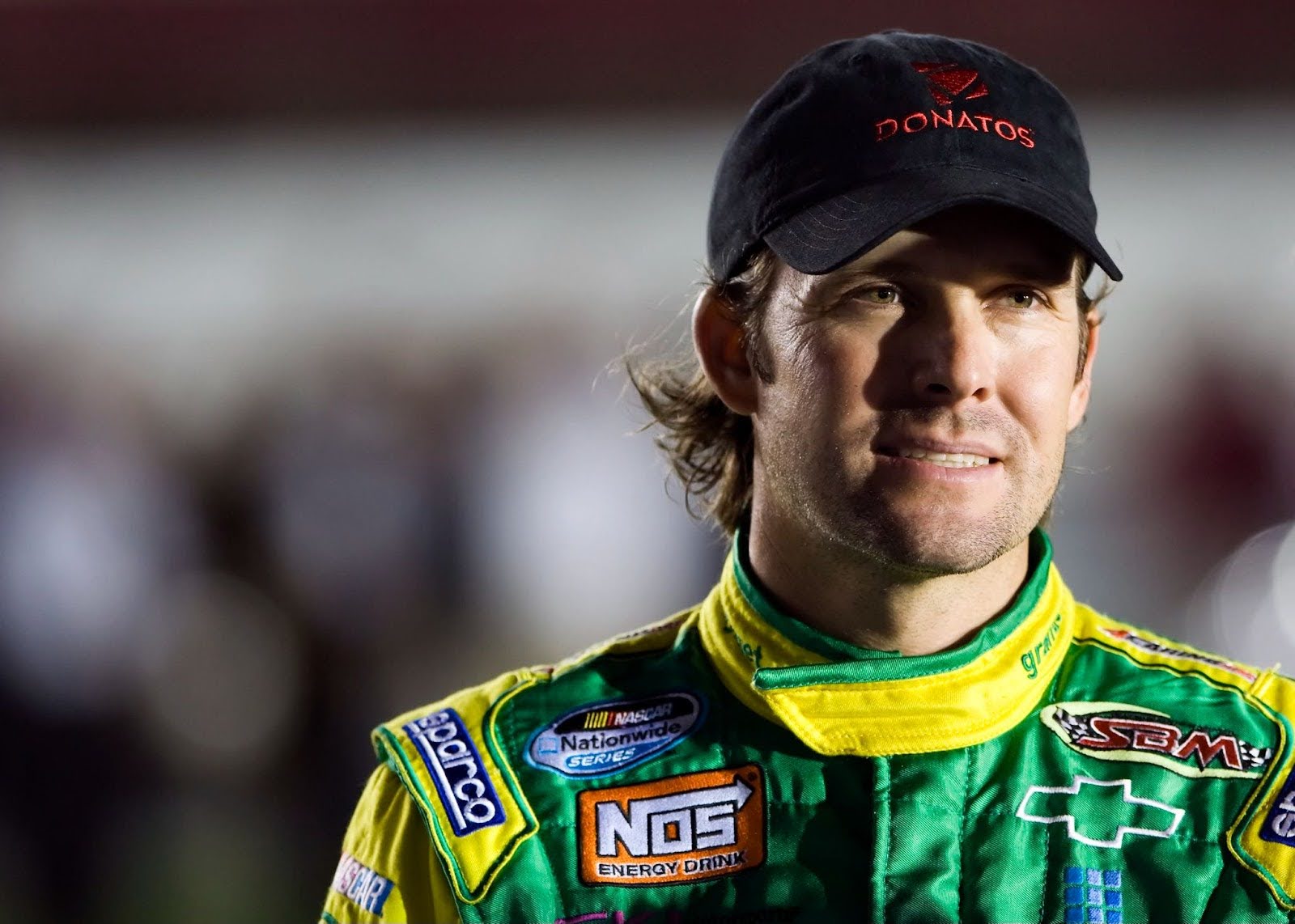
A Hollywood stuntman with an extensive collection of film and television credits, an American race car driver with more than 230 starts, and an entrepreneur behind Stanton Barrett Family Wines and Stanton Barrett Motorsports, Barrett has built a career in arenas where the margin for error is measured in milliseconds. Yet in the face of these high stakes, Barrett doesn’t display bravado or blind confidence. To him, perfect results come from disciplined respect.
“When you’re dealing with stunts or racing, there’s risk management and decision making involved,” Barrett shares. “You can only be prepared for those elements if you respect fear. Fear helps you understand what you’re up against.”
In his view, whether one is behind the wheel or jumping from rooftops, channeling fearlessness is dangerous. “The individual who claims to be fearless is often the first to get hurt or fail,” he states. Barrett believes that respecting fear sharpens awareness. It forces an examination of consequences, capabilities, and every conceivable vulnerability. That same mindset, Barrett argues, should also define executive decision-making.
“Risk is inherent in leadership. Launching a product, entering a new market, producing a film, or building a racing team all carry exposure. But the difference between recklessness and courage lies in preparation and mindset,” he explains. “You have to take risks, but you can’t be fearless. You respect the fears involved so you can be prepared.”
Preparation, in Barrett’s world, is methodical. He notes how a single stunt can take days, weeks, or even months to engineer. Safety redundancies are layered, the angles are meticulously studied, and each variable is tested. “By the time the cameras roll, the stunt itself may look spontaneous, but in actuality, it rests on hours of unseen preparation and discipline,” Barrett explains.

Stephen A. Arce/ASP
In business, he applies that same methodology. Before committing capital or reputation, he analyzes downside scenarios, identifies pressure points, and evaluates both his unique individual capabilities and the strength of his team. “You analyze every potential downside or risk involved so you are more comfortable taking the risk,” he explains. “Ultimately, comfort can only be achieved through self-belief, the ability to take calculated risks and tackle the unknown.”
When that discipline is fostered, Barrett believes that boldness without recklessness becomes a natural outcome. He distinguishes between impulsive betting and informed conviction. True boldness, he emphasizes, is trust; trust in preparation, trust in experience, trust in the collective skill set of a team aligned toward execution of a goal. He explains, “You’re taking a bet, but you’re really believing in yourself and a team, without being heedless.”
Pressure can amplify this philosophy. On set, he notes that there are moments when everything hinges on one attempt. A full production day can orbit a single stunt sequence, and failure in that aspect can carry financial and reputational weight.
Under those circumstances, Barrett believes that calm and focused composure needs to become a practiced habit.
Leaders often face on-the-spot decision conditions, board approvals, investor pitches, and crisis responses, where hesitation can become paralyzing. In the face of that pressure, Barrett believes a leader can either propel or immobilize, and mindset and preparation determine which.
His entrepreneurial ventures reflect the same standard. Entering the wine industry, he understood the barriers: high costs, saturated markets, and frequent failure. Rather than dilute quality to accelerate returns, he chose to follow a longer timeline that prioritized the integrity of the product and a process that honors every unseen hour invested. He explains, “You can make a good product cheap and fast, but it’s not going to stand the test of time.” Long-term brand equity, in his view, is built through patience and the precision of execution.

Across racing, film, and business, Barrett resists the notion of reinvention for its own sake. What’s important for him instead is to preserve one’s edge. He believes that complacency can erode performance. Instead, he advocates for pushing limits, physically, creatively, and strategically, which can keep teams competitive. From his perspective, the same mindset that refines a stunt sequence can inform sponsor negotiations and operational efficacy.
He also draws a distinction between productive and destructive fear. In his experience, fear becomes harmful only when it prevents action. “It’s bad when fear keeps you from taking the next step,” he says. “Every meaningful pursuit carries risk, but remaining inside comfort zones can guarantee stagnation.” Within that context, he advocates for respecting fear, analyzing it, and then moving forward despite discomfort, which is the essence of calculated growth.
For CEOs, founders, and decision-makers navigating the volatility of businesses, Barrett’s advice is straightforward: eliminate ego, be structured, study the downside, prepare exhaustively, have faith in the team, and most importantly, execute with an unwavering conviction and honesty. “Everything’s going to be a risk in life,” he remarks. “The real question is: How do you use that fear to analyze things, overcome it, and still execute? That’s how you can truly become the champion of your life.”