Its gains follow measures to revive Singapore’s stock market, a strong Singdollar and a pivot from US-dollar assets
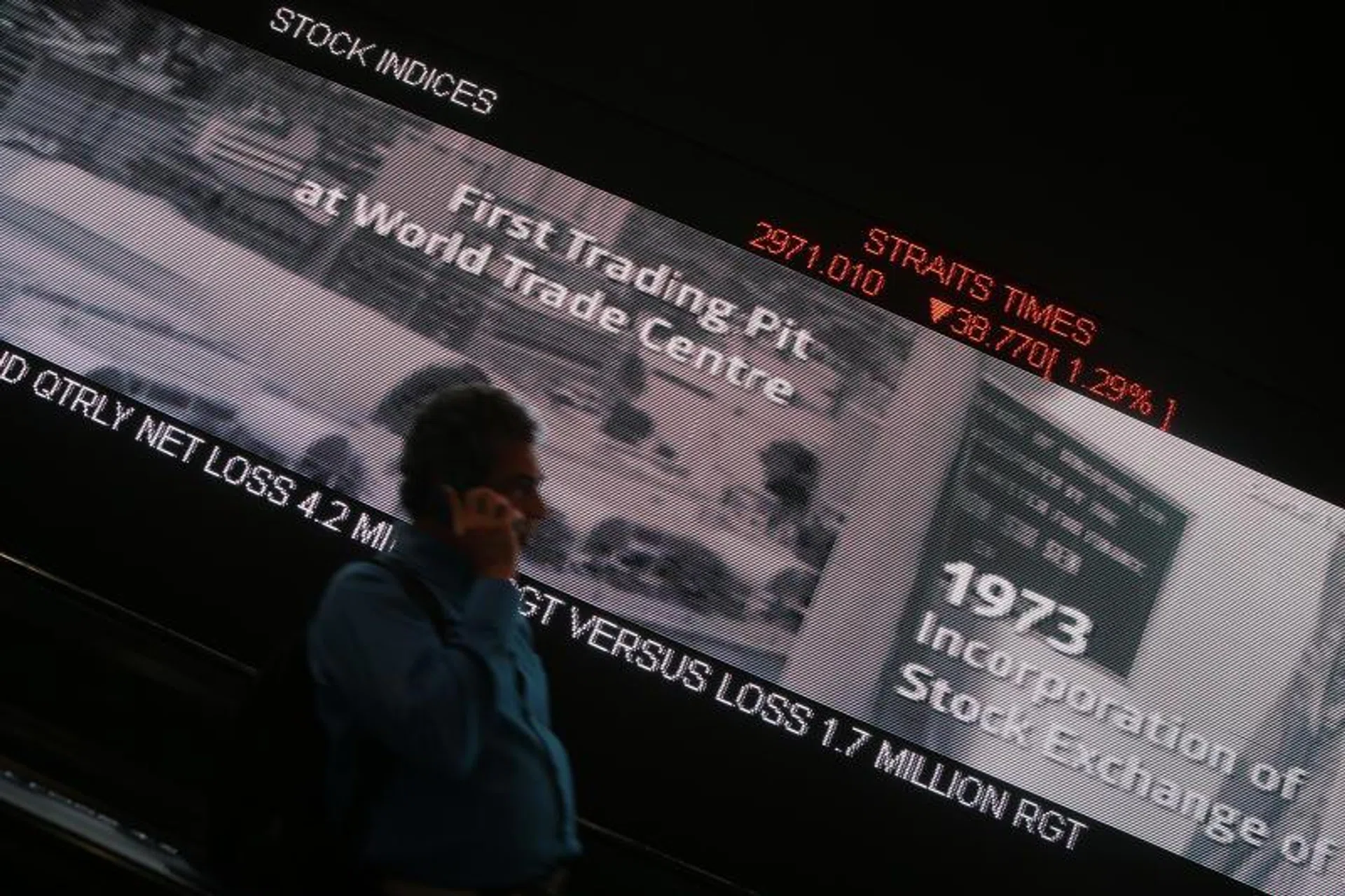
[SINGAPORE] After days of fluctuations, the Straits Times Index (STI) surpassed the 5,000 mark on Thursday (Feb 12), hitting a historic milestone well ahead of forecasts.
The benchmark index soared as high as 5,004.02 at 9.15 am, up by 0.4 per cent or 19.44 points, driven by gains made by its constituents, including the three Singapore banks, which form around half of the STI by index weight.
DBS rebounded 0.5 per cent to S$57.77, OCBC was up 1.3 per cent at S$21.62 and UOB was trading 0.9 per cent higher at S$39.23.
The STI’s landmark performance follows an extended streak of breakthroughs for the blue chip barometer and Singapore’s three banks, which have hit all-time highs and made strong gains since last year.
In 2025, the STI rose 22.7 per cent as its largest constituent DBS soared 29.9 per cent. OCBC climbed 18.4 per cent and UOB ended the year down by a marginal 0.03 per cent.
The rally had led multiple analysts to forecast the blue-chip barometer crossing the 5,000 mark by the end of 2026. In one of the most bullish estimates, JPMorgan projected the STI soaring as high as 6,500 points by the end of the year.
Navigate Asia in
a new global order
Get the insights delivered to your inbox.
Equities market revival
The local stock charge comes nearly two years after the formation of the equities market review group by the Monetary Authority of Singapore (MAS) in August 2024, to recommend measures to improve the local stock market.
Other contributory factors include a shift away from US-dollar assets into Asian stocks, an appreciating Singapore dollar and encouraging growth prospects across the economy and various sectors.
Among initiatives to revitalise Singapore’s equities market, the MAS’ Equity Market Development Programme is a significant factor. The S$5 billion initiative unveiled in February 2025 aims to enhance market liquidity and support Singapore’s fund management ecosystem by channelling funds to asset managers with a focus on Singapore-listed equities.
Another measure is the launch of the iEdge Singapore Next 50 Index, which tracks the 50 largest Singapore-listed companies outside of the STI.
Unveiled in September, the new index comes in two variants that are respectively weighted by market capitalisation and liquidity. It aims to increase visibility of small and mid-cap stocks while broadening investor exposure to a wider scope of companies.
The proposal for a dual-listing highway enabling firms to list on both the Singapore Exchange and the Nasdaq using a single set of listing documents, announced in November, is yet another measure drawing interest to the local bourse.
With an expected launch in mid-2026, the cross-border listing framework aims to attract high-growth Asian companies and tech unicorns to list in Singapore by offering them the benefit of a Nasdaq listing.
The SGX has also proposed to reduce its board-lot size to 10 units from 100 units for securities above S$10, a move that aims to boost affordability by lowering outlay for investors, so as to stimulate trading activity.
Another move is the Value Unlock programme by the MAS and SGX, which aims to help listed companies strengthen investor engagement and sharpen their focus on creating shareholder value.
Decoding Asia newsletter: your guide to navigating Asia in a new global order. Sign up here to get Decoding Asia newsletter. Delivered to your inbox. Free.