What Telehealth Means for Employers Offering Medical Care to Staff
Telehealth lets staff see a clinician remotely, but employer and provider roles differ. Check coverage, licensing, privacy, access and contract terms before offering it to staff.
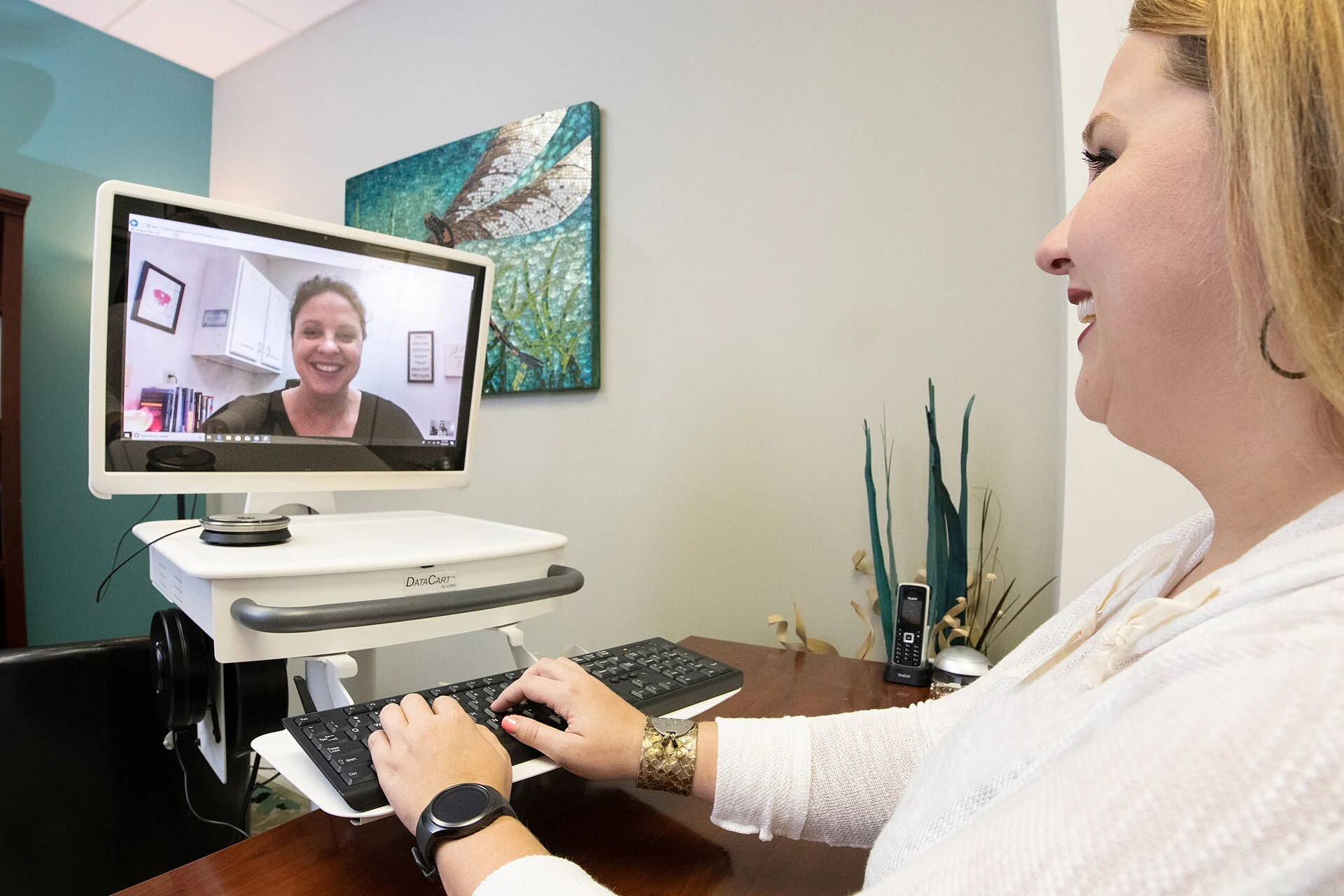
A staff member with a minor problem can now join a video call with a clinician from a kitchen table, a parked car or a hotel room, often without taking time off work. That access is the reason many employers are considering telehealth as a staff benefit. Telehealth means receiving medical care remotely, usually by video call, phone or a secure messaging service.
Employers are drawn to the service for two main reasons: staff can reach a clinician more quickly, and they spend fewer hours away from work. Before adding it to a benefits package, though, an employer needs to understand what the service can and cannot do, how it is delivered, and who is responsible for each part of the care. Telehealth lets staff see a clinician remotely, but the employer and the provider hold different roles, and each needs checking before the service reaches staff.
What Telehealth Covers, and Where It Stops
Most telehealth services handle common, lower-complexity issues. These include minor infections, skin concerns that can be assessed from a photograph, cold and flu symptoms, prescription renewals for stable conditions, and general advice about when to seek in-person care. Some services also provide mental health consultations by video or phone. Coverage varies from one service to another, so the provider’s published list of what it will and will not handle is the place to start.
Telehealth is generally not suited to emergencies, to examinations that need hands-on assessment, or to care that requires tests or imaging. A reputable provider says so clearly and directs users to emergency services or an in-person appointment when needed. Staff with urgent symptoms should contact emergency services rather than wait for a remote appointment. Anyone with a concern about their health should speak to a doctor or other qualified professional.
For an employer, this means the benefit should be described to staff as a route for suitable problems, not as a replacement for every kind of care.
Who Employs the Clinicians and Holds the Records
Employers usually contract with a third-party provider rather than running a clinic themselves. The provider employs or contracts the clinicians, holds the patient records and is responsible for clinical decisions. The employer’s role is typically to choose a provider, explain the benefit to staff and manage the contract.
This distinction matters, because the employer’s legal duties and the provider’s clinical duties are separate. The contract should spell out who handles complaints, data requests and follow-up care, so that a staff member with a problem knows exactly whom to contact. The employer should also check where each clinician is registered and licensed. Telehealth often crosses borders, and a clinician may only be permitted to practise in certain jurisdictions.
Ask how prescriptions are issued, and how records are shared with an employee’s own doctor if the employee wants that. Employers should take advice on contracts, data protection and employment obligations, since general information of this kind does not replace legal advice.
Keeping Consultation Data Away From Employment Files
Medical information is sensitive, and the employer should not see individual consultation records. Good arrangements keep clinical notes separate from employment files. They also give staff clear information about what is collected and why, and make it easy to opt out.
Staff should be told in plain terms whether the employer receives only anonymous usage statistics or any identifying information at all. Data protection rules apply to the service, and the contract should set out security standards, retention periods and how a breach would be handled. Employers can reasonably ask for these terms in writing before any staff member signs up.
Consent is equally important. Employees should be free to use a different provider, or none at all, without any effect on their job or pay. A benefit that staff feel pressured to use will not build the trust it is meant to create.
Who Can Use It Easily, and Who Cannot
Telehealth can help people who work shifts, live in remote areas or find it hard to attend a surgery during working hours. Its value is greatest where travel to an in-person appointment takes a long time or is hard to fit around a rota. However, it does not suit everyone. Some employees lack a private space or a reliable internet connection, and others may simply prefer a face-to-face appointment.
Before launch, check language support, accessibility features and availability outside standard hours. Also confirm the service’s arrangements for people who need an interpreter, so that a language barrier does not become a reason for a staff member to give up on the service.
Employers should consider whether the benefit might be misused, such as a consultation being used in place of a sick day without proper reason. Clear guidance on when telehealth is appropriate helps staff use it well, and it gives managers a shared standard to refer to.
Questions to Settle Before Signing a Contract
Before signing, ask the provider how long it takes to reach a clinician, what happens out of hours, how it handles complex cases and how it follows up after a consultation. Ask for its complaints process and its data protection policy in writing. Request a clear summary of any costs to the employee, and confirm whether the service is included in the health plan or sold as a separate add-on.
Finally, consider how telehealth fits with existing benefits. It works best as one route among several, alongside employee assistance support, health insurance and a clear route to in-person care. Written guidance that tells staff which route to use for which kind of problem is the simplest way to make that arrangement work.