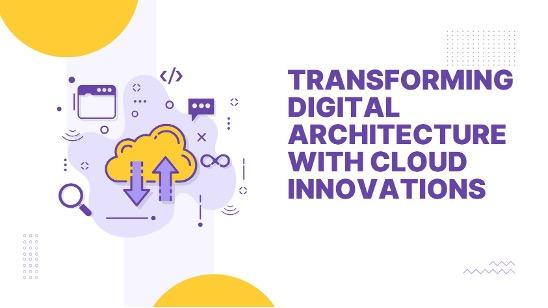
An expert in cloud technologies, Arvind Kumar Akula explores innovations like microservices architecture and serverless computing, which are transforming business operations by enhancing scalability, performance, and cost-efficiency, driving greater efficiency and adaptability in digital infrastructures.
The Power of Microservices Architecture
The shift from monolithic to microservices architecture has been pivotal in modernizing digital platforms. Traditionally, tightly coupled systems were difficult to scale as user demands grew. Microservices break these systems into smaller, independent services, each focused on specific business functions. This approach allows teams to develop, deploy, and scale services independently, improving agility and reducing time-to-market. By isolating services, microservices enhance fault tolerance, ensuring system reliability and minimizing downtime when individual services fail.
Scalability Through Cloud Services
Cloud services are vital to modern digital infrastructures, allowing businesses to dynamically scale resources based on demand. Elastic Compute Cloud (EC2), for instance, provides scalable computing that adjusts automatically during peak periods. Leveraging such services helps optimize resource allocation, reduce over-provisioning, and boost operational efficiency. Additionally, cloud platforms offer global infrastructure, enabling businesses to deploy services closer to end-users, reducing latency and improving performance. This flexibility allows efficient scaling without the burden of managing physical infrastructure.
The Role of Java in Cloud-Native Development
Java is essential in cloud-native development due to its performance, versatility, and broad industry adoption. Its “write once, run anywhere” philosophy suits distributed cloud environments. With frameworks like Spring Boot, Java enables scalable, efficient microservices. Additionally, features like garbage collection and Just-In-Time (JIT) compilation optimize memory management and ensure rapid execution, making Java ideal for high-performance cloud applications where efficiency is critical.
Serverless Computing: Simplifying Application Development
Serverless computing transforms development by letting developers focus solely on code, while cloud providers manage infrastructure, scaling, and provisioning based on real-time demand. This pay-per-use model ensures cost-efficiency and is especially valuable for agile enterprises, providing scalability without upfront infrastructure costs. As serverless computing evolves, it simplifies development, reduces operational overhead, and accelerates innovation, enabling businesses to streamline processes and focus on faster, more efficient growth.
Elastic Load Balancing for High Availability
High availability and fault tolerance are crucial in today’s digital landscape, and elastic load balancing (ELB) is key to achieving these goals. ELB automatically distributes incoming traffic across multiple targets, ensuring even load distribution and minimizing the risk of failures. It bypasses failed instances, routing traffic to healthy ones for improved reliability. Operating across multiple availability zones, ELB ensures that failures in one zone don’t disrupt the system, providing continuous availability and enhanced fault tolerance.
NoSQL Databases for Performance
In the cloud-native environment, NoSQL databases like DynamoDB provide high-performance solutions for managing vast data volumes. These databases offer automatic scaling and low-latency access, ideal for applications processing millions of transactions per second. For rapidly growing businesses, NoSQL enables seamless scaling without the complexity of managing infrastructure, allowing organizations to handle real-time data efficiently, enhancing user experience, and supporting high-demand applications.
Continuous Integration and Continuous Deployment (CI/CD)
Automation in development pipelines, particularly through Continuous Integration and Continuous Deployment (CI/CD), enhances operational efficiency. CI/CD allows teams to integrate and deploy code changes automatically, reducing manual errors and speeding up development cycles. This ensures quick, reliable delivery of new features. When combined with cloud services, CI/CD pipelines streamline processes, enabling businesses to iterate faster while maintaining quality, and ensuring a competitive edge in the market.
In conclusion, as Arvind Kumar Akula emphasizes, integrating cloud technologies with modern development frameworks is revolutionizing business operations. The combination of cloud scalability and Java’s versatility helps companies optimize costs and improve performance. However, balancing automation with human oversight remains crucial to ensuring these innovations enhance rather than replace professional expertise, maintaining a competitive edge in the evolving landscape.