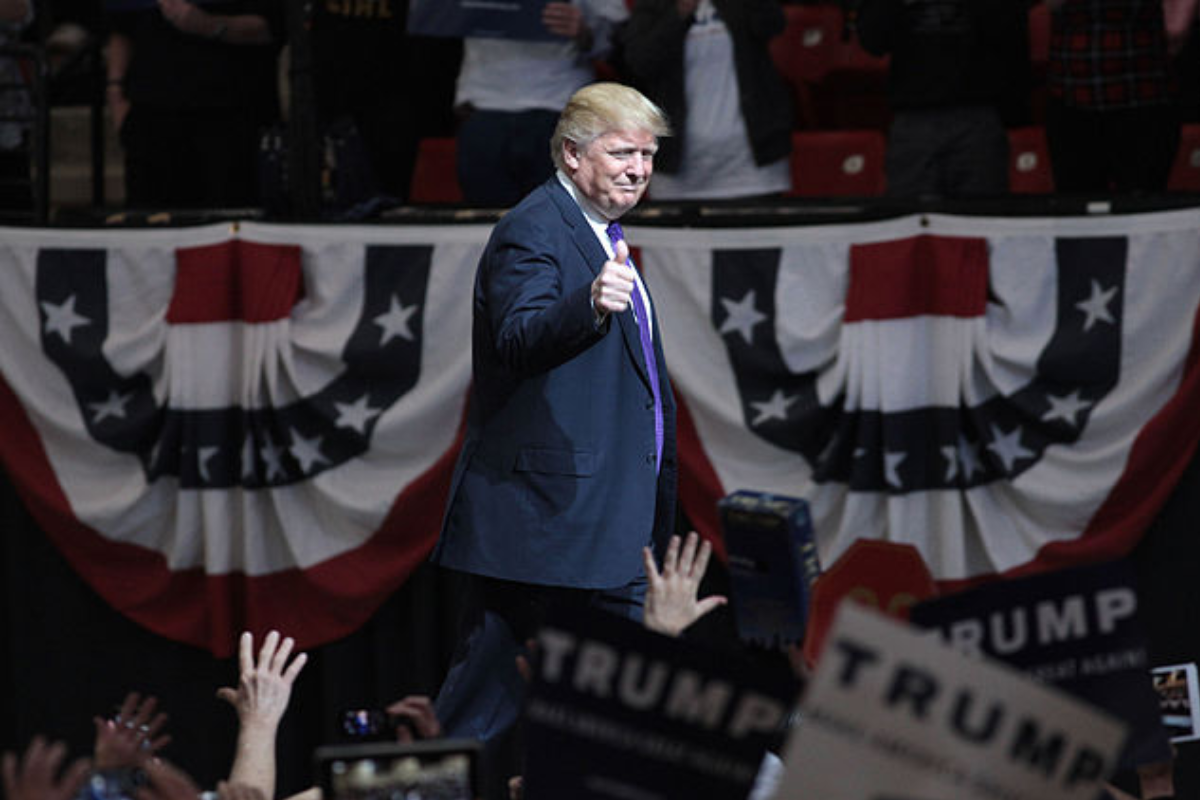
US president Donald Trump has ignited a firestorm of controversy after suggesting that Republicans should take control of voting in at least 15 states. Speaking on a podcast hosted by former deputy FBI director Dan Bongino, Trump claimed that states he lost had crooked counting processes and implied that nationalising voting was necessary to secure Republican victories.
Trump’s Proposal and the Reaction
During the interview, Trump insisted that Republicans should ‘take over the voting’ in multiple locations, suggesting that certain states were mishandling ballots and election procedures. He framed the comments as a necessity to protect voters and ensure fair outcomes.
Observers quickly pointed out that his suggestion runs counter to the constitutional structure of US elections, which grants states control over the timing, manner, and administration of ballots. Legal scholars emphasised that only Congress has the authority to change these rules, and it has not passed legislation allowing federal control of state elections. Critics warned that Trump’s rhetoric could undermine public trust in the democratic process and increase partisan tensions as the next elections approach.
How Elections Are Administered in the US
In practice, US elections are organised by individual states, which maintain voter rolls, print ballots, and manage polling locations. The federal government’s authority is limited to enforcing civil rights protections and certain voting laws.
Trump’s call for Republicans to ‘nationalise’ voting in specific states effectively suggests bypassing these constitutional protections. Experts note that any attempt to seize control of elections without proper legal authority would face immediate court challenges.
Observers have highlighted that Democratic governors and secretaries of state are already preparing to safeguard voter data and uphold state-controlled election processes, anticipating potential interference or attempts to influence outcomes.
Trump’s remarks have prompted warnings from election law specialists, many of whom say the comments echo past efforts to influence vote counting or challenge state results. Legal professionals emphasise the importance of governors and secretaries of state securing voter registration databases and maintaining the separation of powers.
Failure to do so, they warn, could open the door to administrative overreach. Both Republican and Democratic officials have been urged to prepare legal defences against any unilateral attempts to alter election procedures. Analysts suggest Trump’s strategy may involve sending Department of Justice observers to monitor local elections, a tactic previously used in special elections to collect voter information and plan future interventions.
Preparing for the Upcoming Elections
With the 2026 midterms on the horizon, political analysts warn that Trump’s call to take control of voting could escalate partisan conflict. Legal teams, election officials, and civil society organisations are mobilising to safeguard state election processes, promote transparency, and educate voters about procedural changes.
Experts advise citizens to verify their voter registration, confirm polling locations, and stay informed about any modifications to voting rules in their states. While past elections have largely proceeded without major disruptions, officials caution that the combination of federal pressure, partisan strategies, and aggressive rhetoric could test the resilience of American democracy.
Public awareness, legal preparedness, and vigilance at the state level are likely to be crucial in maintaining election integrity. Trump’s statements have once again brought election security and state sovereignty into the national spotlight. Although his call to seize voting in 15 places is constitutionally unfeasible, it underscores the growing tension between federal ambitions and state-controlled elections.
With legal challenges, voter protection efforts, and increased scrutiny intensifying, the upcoming electoral cycle will serve as a critical test of America’s democratic institutions and the resilience of its electoral framework.
Originally published on IBTimes UK