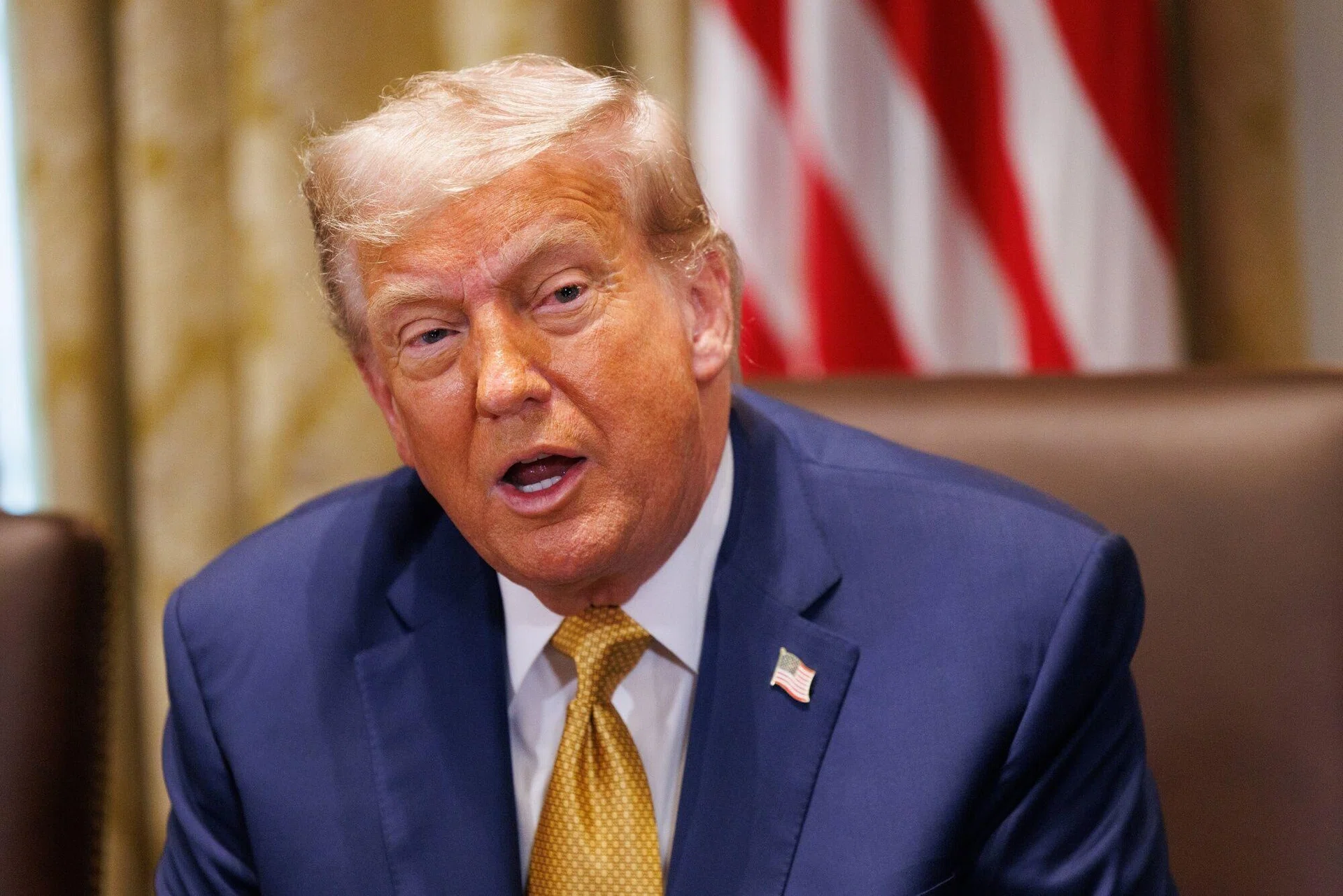
[SINGAPORE] Copper prices have reacted furiously after US President Donald Trump stunned markets with a 50 per cent tariff on copper imports – a “watershed moment” that sent US futures to record highs, roiled London and Shanghai contracts, and left traders nonplussed.
New York-listed copper futures spiked as much as 17 per cent after the announcement on Tuesday (Jul 8) as traders scrambled to lock in prices ahead of the anticipated tariff. Meanwhile, London and Shanghai futures declined more than 1 per cent, reflecting expectations of reduced US demand.
The surge in US copper prices was however short-lived, given the lack of clarity on how and when the tariff would be implemented. US officials alluded to late July or early August as the start date. Citi Research expects an official confirmation of a 50 per cent rate within weeks and implementation within 30 days.
Marex’s senior analyst Edward Meir said that the tariff could come into effect much later than the official hints, given how critical copper is to the US economy. “A 50 per cent tariff on copper will be a massive hit for the average US consumer,” he noted.
In a report, Citi said: “We think this is a watershed moment for the copper market in 2025 as imminent flagged tariff implementation should abruptly close the window for further significant US-bound copper shipments (possibly for the rest of 2025).”
Meir added that Chile, the single biggest copper supplier to the US, will “certainly make a strong and emphatic argument to get this rate lowered”, especially given that Chile is one of the few countries that actually runs a trade deficit with the US.
BT in your inbox
Start and end each day with the latest news stories and analyses delivered straight to your inbox.
Marcus Garvey, Macquarie’s head of commodities strategy, noted that the impact will hinge not just on the tariff rate, but more heavily on the details, such as which types of copper the levy applies to and whether there will be any grace period before it is implemented.
“Ultimately, we think a 50 per cent tariff would be unlikely to sustain. Nevertheless, we would not expect the full tariff to be priced in because the excess inventories in the US mean marginal spot flows would not need to be incentivised by the Chicago Mercantile Exchange (CME) and London Metal Exchange (LME) price spread,” he added.
After Trump’s announcement, the price spread between the Comex and LME copper futures skyrocketed: for the October delivery month, the arbitrage soared to almost US$3,000 per tonne.
Citi said the Comex-LME arbitrage is likely to price in a much lower effective rate than 50 per cent, due to the recent surge in US copper inventories and the expectation that major exporters to the US will eventually secure partial exemptions or reduced tariffs.
Marex’s Meir noted that some copper traders who had held back deliveries to the US could benefit from the market turmoil.
Although an estimated 400,000 to 500,000 tonnes of copper have been imported into the US this year, only about half has been delivered to the CME.
“A good portion of this metal was possibly held back until the actual announcement was made. Now that it has, we would not be surprised to see the pace of deliveries into the CME pick up,” Meir added.
Thurlestone Shipping’s freight analyst Lennon Lim noted on Wednesday that copper shipments to the US were as per normal.
He expects spot demand for shipments from Chile and Peru to the US Gulf Coast to remain supported in the near term, but for the volumes to taper off after the tariff enforcement.
While the US accounts for around 2 per cent of the total destination share of copper cargoes tracked, the cargoes would likely be redirected to China or Japan – which together account for approximately 70 per cent of destination share – once the tariff is realised, he added.