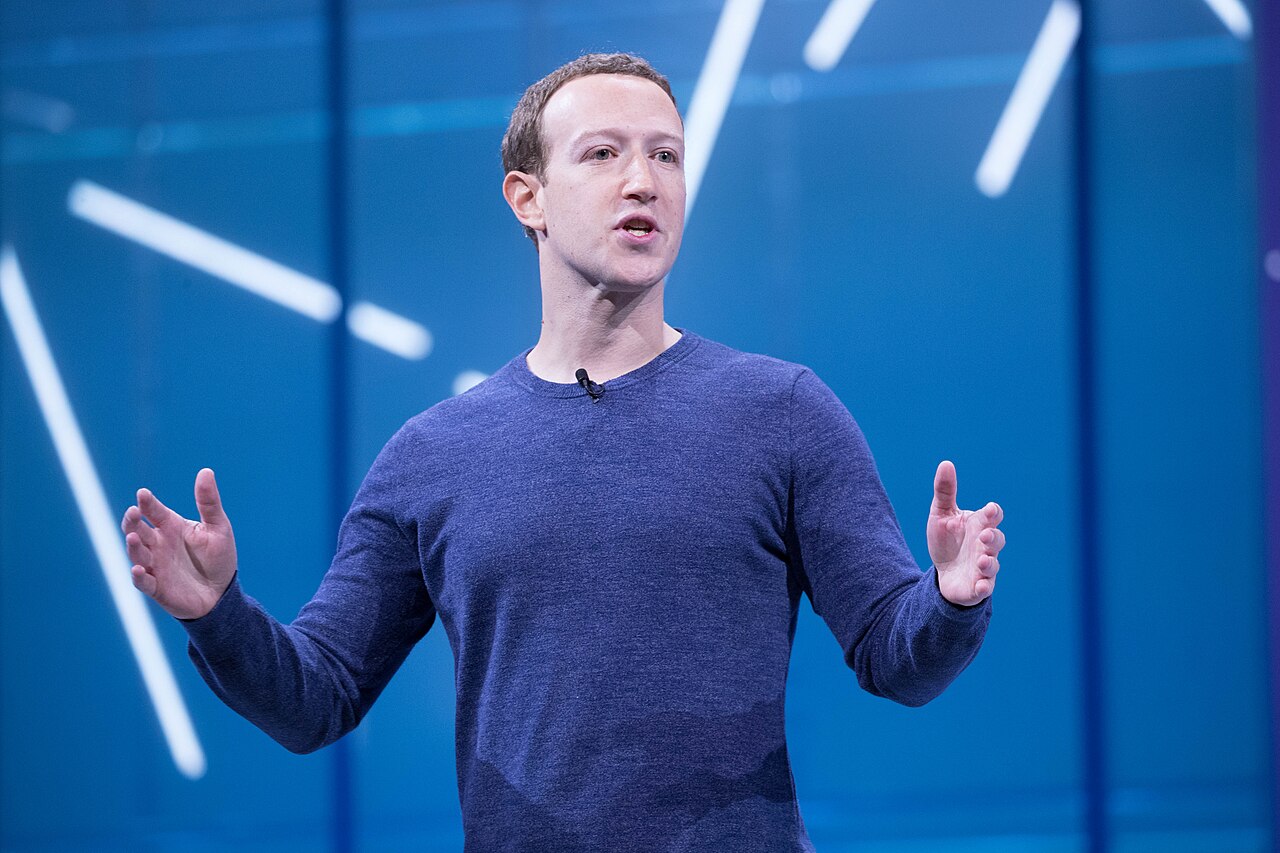
Tech’s most powerful leaders are reshaping the world of work—and Mark Zuckerberg‘s latest remarks suggest the days of large teams may be numbered. Meta CEO Mark Zuckerberg told investors and analysts this week that advances in artificial intelligence are enabling single employees to perform work that once required entire groups, signalling a dramatic shift in how companies hire and structure their workforces.
His comments, delivered during Meta’s latest earnings call, underscore a future where individual productivity powered by AI could supplant traditional team-based labour. This change has caught the attention of workers, recruiters, and business leaders globally, driving both excitement and unease about what comes next. As Meta ramps up investment in AI and adapts its own internal operations, observers are questioning what this evolution means for job security, hiring practices, and the broader labour market.
AI Is Redefining Work at Meta
Zuckerberg painted a stark picture on the earnings call when he said that AI tools are beginning to shift the very fundamentals of work. ‘We’re starting to see projects that used to require big teams now be accomplished by a single very talented person’, he said, describing what he calls AI-native tooling that boosts individual output. The implication is clear: tasks that once depended on collaboration amongst many may soon be carried out by fewer people equipped with powerful AI assistants.
That shift isn’t just theoretical; Meta reported that engineers using advanced AI tools achieved significantly higher productivity last year. Chief Financial Officer Susan Li noted that output per engineer has jumped in part because of AI-driven coding assistance. For Meta and other tech giants, this represents a new frontier—one where efficiency gains could reshape organisational charts and job descriptions across industries.
Fewer Teams, Bigger Responsibilities
Meta’s drive towards AI-enabled individual productivity comes as part of a broader strategy to streamline operations and focus on high-impact work. Zuckerberg has characterised 2026 as a pivotal year for this transformation, noting that the company is flattening team structures and elevating what he calls individual contributors. That shift reflects broader corporate trends, with major firms from Google to Amazon increasingly experimenting with leaner organisational models that prioritise smaller, sharper teams or even single contributors supported by AI.
While these changes can lead to faster decision-making and greater innovation, they also raise concerns about how work is distributed and who gets left behind. Industry analysts say that leaner teams could mean fewer entry-level roles and more intense workloads for senior staff, making it harder for new workers to find footholds within tech companies.
Hiring Paradox: Growth and Reductions
Despite Zuckerberg’s controversial remarks, Meta isn’t signalling a hiring freeze across the board. In fact, the company said it ended its most recent quarter with roughly 6 per cent more employees than the year before, with growth concentrated in areas like monetisation, infrastructure, compliance, and its Superintelligence Labs. That nuance is important: while AI may reduce the need for certain team-based roles, Meta still seeks elite talent for strategic initiatives. The emphasis is on quality over quantity—hiring individuals who can harness AI to maximise impact. Yet some critics warn that this model could intensify inequality within the workforce, favouring a small elite of highly skilled AI adopters while marginalising workers whose roles are more easily automated.
What This Means for Workers
Zuckerberg’s comments have inevitably ignited discussion beyond the tech world. After years of layoffs in Silicon Valley and beyond, many workers worry that AI could exacerbate job insecurity. For the average employee, the prospect of being replaced by a single AI-assisted colleague represents an existential threat to livelihood and career progression. Recruiters and labour experts caution that while AI can boost productivity, it cannot fully replace human ingenuity, relationships, and judgement—qualities that matter in client interactions, creative work, and strategic decision-making.
By suggesting that AI can enable individuals to do the work of entire teams, Zuckerberg foreshadows a future in which traditional roles are reimagined or even eliminated. Whether this leads to greater opportunities for creative, high-impact work or deeper divides in the job market remains an open question. For workers navigating this transition, the challenge will be adapting skills and finding value in an economy increasingly shaped by artificial intelligence rather than human collaboration.
Originally published on IBTimes UK