Returns are expected to moderate for the precious metal in the new year, say analysts
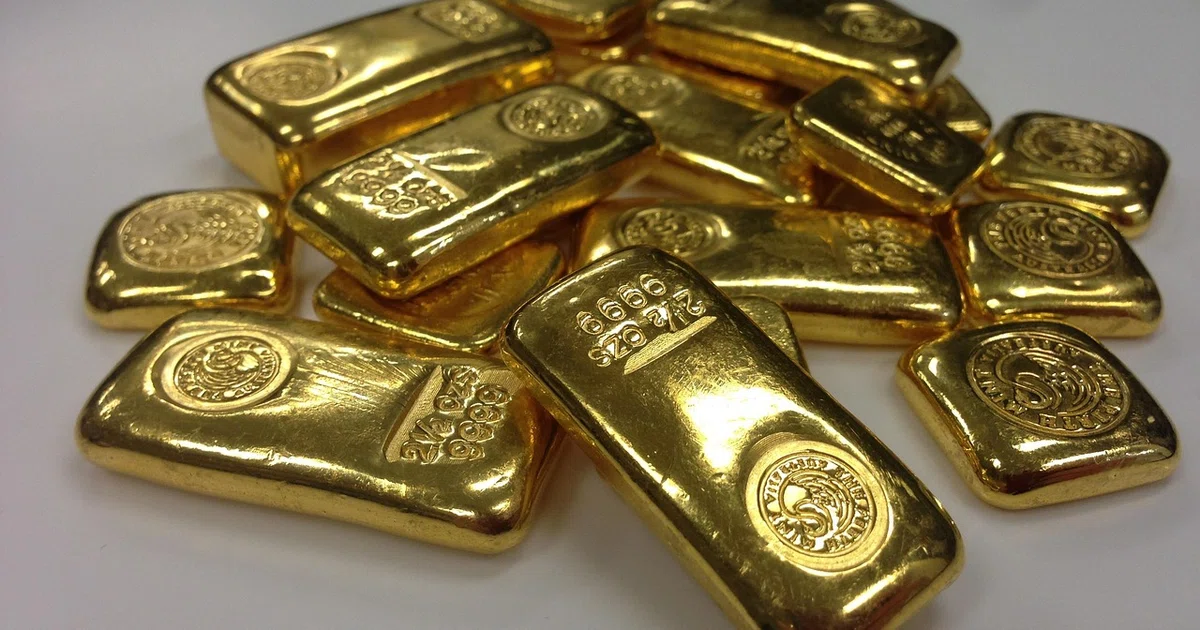
[SINGAPORE] Gold has surged more than 60 per cent since the beginning of 2025 – its strongest annual performance since 1979 – and is now firmly consolidating above US$4,000 an ounce.
While the precious metal may not perform quite as well in the months ahead, some analysts see it testing US$5,000 an ounce by the end of 2026 on the back of continued central bank buying, government policy shifts and geopolitical risk hedging.
These were exactly the “structural factors” that spurred its rise in 2025, said Robin Tsui, Asia-Pacific gold strategist at State Street Investment Management. “To hit the bull case, I think we need some of what we call black swan events: equity market corrections, more political tensions and more rate cuts than expected.”
He noted that central banks in emerging markets such as China, Poland and Turkey have been steadily increasing their gold reserves over the past three years.
Meanwhile, global reported net purchases by central banks through October totalled 254 tonnes year to date, based on data from the World Gold Council.
“If we continue to see central banks ramp up buying, then that will definitely be the top driver of keeping the current momentum,” said Tsui. Gold exposure among central banks in emerging markets remains notably lower than those in developed markets, based on data from the World Gold Council.
Gold accounted for 8.3 per cent of China’s foreign exchange reserves in November, up from 5.9 per cent in January this year, based on data from China’s State Administration of Foreign Exchange published on Dec 7.
Potential headwinds
Not everyone is bullish on gold, though. Research firm BMI is projecting a decline in the price of the precious metal to less than US$4,000 an ounce, as the monetary easing cycle that began in 2024 starts to lose momentum, and in particular as the US Federal Reserve eventually pauses the cutting of interest rates.
“With the global economy set to stabilise further in 2026, tariff uncertainty receding and most of the downside to the US dollar behind us, gold’s historic rally is likely to lose its shine by the third quarter of 2026,” BMI said in its 2026 commodity price outlook on Dec 7.
BMI’s Country Risk team believes the US dollar index is unlikely to experience the same amount of volatility in 2026 as it did in early 2025, “inherently capping both industrial and precious metal price growth”.
State Street’s Tsui noted that the price of gold might be inflated at the moment. “I think gold is in a very unique spot where, historically, it shouldn’t be doing that well because of the good performance in the equity market,” he said.
“But if (the equity market) corrects, historically, that will provide more support as a safe haven hedge against equity market downturn,” he added.
Silver gaining momentum
Whatever the case, the bullishness around gold has begun spilling over to other precious metals.
Ewa Manthey, commodities strategist at ING, said in a research note on Dec 8: “Looking ahead into 2026, silver will continue to be supported by improving investor sentiment towards precious metals and tightening physical balances.”
However, she noted that unlike gold, industrial demand accounts for more than half of silver’s consumption. She added that although solar demand is likely to slow after peaking in 2025, sources of new demand include “electrification, power grid upgrades and growing use of silver in automotive components, especially in hybrid and electric vehicles”.
Similarly, Guy Wolf, global head of market analytics at Marex, thinks that silver has the potential to outperform gold “quite strongly” in the next few years, partly because it is needed to produce solar panels.
“Given that solar is such a cheap form of energy, that creates a very significant amount of demand which is completely unrelated to worries about fiat currency,” he said.
Beyond bullion
Meanwhile, the strong demand for gold by investors is contributing to the rapid financialisation of the precious metal.
Exchange-traded funds (ETFs) focused on gold, for instance, have been growing in popularity. In Asia, inflows into physically backed gold ETFs increased 80 per cent from the third quarter of 2024 to the same period this year, based on data from the World Gold Council. North America saw inflows rise 23 per cent, while inflows in Europe rose 8 per cent.
“We’ve been seeing consistent inflows into Asian gold ETFs, as well as more ETF products launched in the region,” said Fan Shaokai, global head of central banks and head of Asia-Pacific (ex-China) at the World Gold Council
He added that the growth of these products is unlocking additional demand for the precious metal.
Beyond ETFs, the next frontier for gold investment could be tokenisation. Fan said gold tokens have a “bright future”, especially among younger investors who are familiar with the infrastructure used to invest in cryptocurrency. He said the key benefit of tokenisation is that it makes gold more accessible through fractionalisation.
“The move into gold is not about de-dollarisation, it’s about ‘de-fiatisation’,” said Wolf. “It’s the fear that fiat money generally is going to lose its purchasing power.”
Decoding Asia newsletter: your guide to navigating Asia in a new global order. Sign up here to get Decoding Asia newsletter. Delivered to your inbox. Free.