These business and political elites head to Davos next week with its vision of a rules-based global economic order being tested to the limits
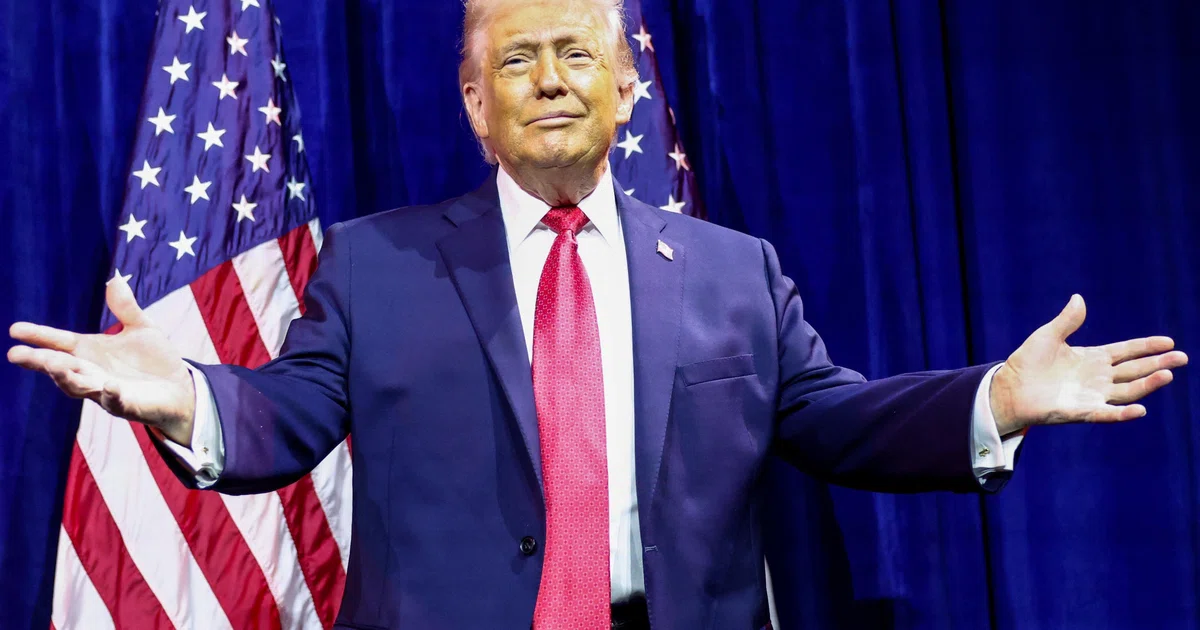
ORGANISERS of the annual World Economic Forum (WEF) meeting in Davos next week said they are expecting the largest US delegation ever, including secretaries for state, treasury, commerce, trade and energy alongside US President Donald Trump.
“We’re pleased to welcome back President Trump to Davos, and he’s bringing the largest US delegation,” said WEF president and chief executive officer Borge Brende, adding that special envoy Steve Witkoff and Trump’s son-in-law Jared Kushner would also attend.
The US president – accompanied by Treasury Secretary Scott Bessent, Secretary of State Marco Rubio – will be among more than 60 heads of state and government attending the Jan 19 to Jan 23 meeting.
Business leaders will also attend, including Microsoft’s Satya Nadella, Nvidia’s Jensen Huang, Exxon Mobil’s Darren Woods and Alphabet’s Ruth Porat and finance heavyweights such as JPMorgan’s Jamie Dimon and Citadel’s Ken Griffin.
These business and political elites head to Davos next week with its vision of a rules-based global economic order being tested to the limits.
Trump’s expected appearance in the Swiss mountain resort highlights the gap between his agenda and the consensus-driven approach of the WEF, which has faced enduring criticism that it is a talking shop of the rich.
Navigate Asia in
a new global order
Get the insights delivered to your inbox.
In the time since Trump’s 2025 video address to a packed house – where he used his pulpit to lecture everyone from bankers to the leaders of countries such as Saudi Arabia and vowed to “solve every single crisis facing” the US – he has sought to rewire global trade and rattled allies and neighbors.
His “America First” policy has led to trade tariffs being used as punishment, military intervention in Venezuela, the threat of taking over Greenland by force and a US retreat from cooperation on climate, health and other global challenges.
The Trump administration has also threatened Federal Reserve Chair Jerome Powell with a criminal indictment, prompting many top central bankers to issue a statement defending him and central bank independence.
Dubbing its 56th edition “A Spirit of Dialogue”, the WEF’s leaders say that given the current uncertainty, getting together to map out a way forward in business and politics is crucial.
“Dialogue is not a luxury, it is a necessity,” said Brende.
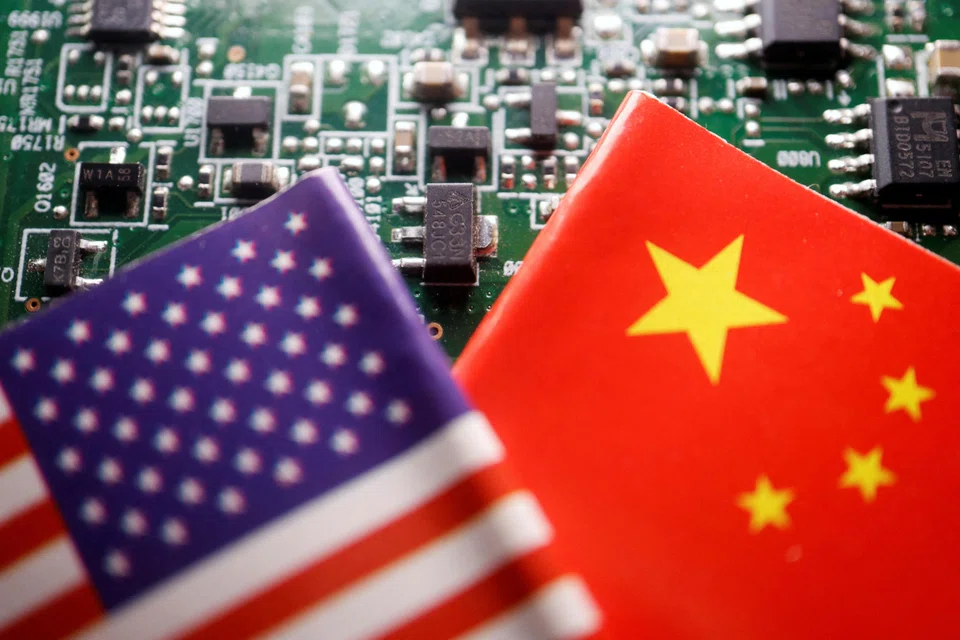
But others say that with the US and China leveraging power to suit national interests, the WEF risks obsolescence.
Daniel Woker, a former Swiss ambassador and foreign relations expert, said: “Who is going to be making the case for the rules-based international order?”
“To be very blunt, in a system where everyone is only looking out for themselves, it has no reason to exist. It’s an event from the past.”
Davos watchers are also looking at whether the event has lost impetus since its 87-year-old founder Klaus Schwab stepped down as chair in April.
The Geneva-based organisation said in August an internal investigation had found no evidence of material wrongdoing by Schwab, after a whistleblower letter alleging misconduct. It named BlackRock CEO Larry Fink and Roche vice-chair Andre Hoffmann as interim co-chairs.
The WEF said that over 3,000 delegates from more than 130 countries will attend, including 64 heads of state and government, particularly from emerging economies.
The latest forum has much to discuss, from how to handle Trump’s version of the Monroe Doctrine establishing US supremacy in the Western hemisphere, to the ways artificial intelligence is changing the world. REUTERS, BLOOMBERG
Decoding Asia newsletter: your guide to navigating Asia in a new global order. Sign up here to get Decoding Asia newsletter. Delivered to your inbox. Free.